
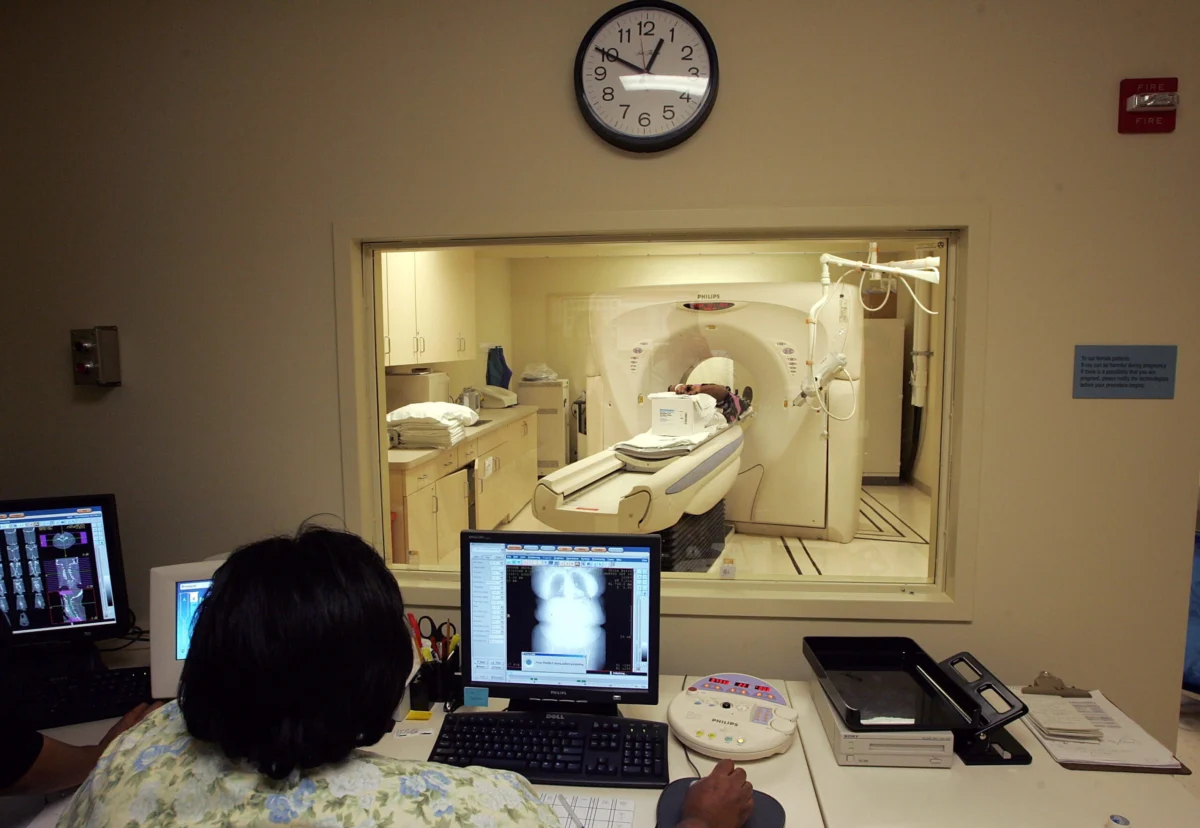
"Will Roberts’ courageous battle with osteosarcoma and his family’s public plea for a vital chemotherapy drug illuminated the profound challenges faced by young cancer patients and highlighted the critical need for accessible life-saving medications."
The Tuscaloosa community is united in grief following the passing of 15-year-old Will Roberts, whose brave fight against osteosarcoma, a rare and aggressive bone cancer, has left an indelible mark. His journey, marked by remarkable resilience, gained national attention earlier this year when his mother took to social media in a desperate effort to secure a crucial chemotherapy drug that had become scarce during his treatment. This plea resonated deeply, galvanizing thousands and drawing widespread support for Will as he navigated his challenging medical journey. Roberts passed away on July 22, leaving behind a community profoundly inspired by his strength and unwavering determination. His story has transcended personal tragedy, sparking vital conversations about pediatric cancer awareness, the complexities of treatment access, and the enduring human spirit in the face of adversity.
The narrative of Will Roberts’ illness and his family’s subsequent public appeal underscores the multifaceted challenges inherent in pediatric cancer care. Diagnosed with osteosarcoma, Will’s symptoms eventually led medical professionals to identify the aggressive bone cancer. As his intensive treatment regimen progressed, his family’s primary concern became ensuring he had access to every necessary medication to combat the disease. A critical juncture arose when concerns over the availability of methotrexate, a vital chemotherapy drug, prompted his mother to initiate a social media campaign, a direct appeal to hospitals and healthcare providers for assistance in locating the essential medication. This action, born out of necessity, quickly transcended local boundaries, capturing national attention and bringing both Will’s personal struggle and the broader issue of chemotherapy drug shortages impacting pediatric cancer patients into sharp focus. Despite continued efforts and the administration of treatment, Will ultimately succumbed to complications stemming from his illness. The outpouring of tributes following the news of his passing from community members, friends, and supporters served as a testament to the courage and determination he exhibited throughout his battle. His story continues to foster crucial dialogue regarding pediatric cancer awareness and the paramount importance of maintaining consistent and reliable access to life-saving medications.
Osteosarcoma, while the most common form of primary bone cancer, remains a relatively rare disease overall. As detailed by the Mayo Clinic, this aggressive cancer most frequently emerges in adolescents during periods of rapid physical growth, commonly affecting the long bones such as those around the knee, thigh, or upper arm. The genesis of osteosarcoma lies in the uncontrolled proliferation of bone-forming cells, which leads to the development of abnormal bone tissue. This aberrant tissue can progressively weaken the affected bone and, if left unchecked, has the potential to metastasize to other parts of the body. Initial symptoms often manifest as persistent bone pain, which tends to intensify over time. Accompanying signs may include localized swelling near a bone or joint, tenderness, a diminished range of motion, or pain that is exacerbated by physical activity or becomes more pronounced during the night. In certain instances, the compromised bone may fracture following even minor trauma. The insidious nature of these symptoms, which can sometimes be mistaken for common sports injuries or typical growing pains, can unfortunately lead to diagnostic delays until the pain becomes persistent or imaging studies reveal definitive abnormalities.
The diagnostic process for osteosarcoma, as outlined by the Cleveland Clinic, typically involves a comprehensive approach combining physical examinations with advanced imaging techniques. These imaging modalities, which may include X-rays, computed tomography (CT) scans, magnetic resonance imaging (MRI) scans, and positron emission tomography (PET) scans, are crucial for visualizing the extent and location of the suspected tumor. A definitive diagnosis is then established through a biopsy, a procedure wherein a sample of the affected tissue is analyzed to confirm the presence of cancerous cells. The standard treatment protocol for osteosarcoma generally encompasses several months of chemotherapy, administered both before and after surgical intervention. The primary goal of surgery is to excise the tumor while meticulously preserving as much healthy bone and limb function as possible. In more complex or advanced cases, reconstructive surgery may be necessary to restore form and function. For patients where the cancer cannot be safely removed in its entirety, amputation might be considered as a last resort. Radiation therapy plays a less prominent role in the treatment of osteosarcoma, primarily because the cancer exhibits relative resistance to radiation. However, it may be employed in specific, select situations. The precise etiology of osteosarcoma remains largely unknown, and currently, there is no definitively proven method for its prevention. Nonetheless, research has identified several significant risk factors. These include the rapid bone growth characteristic of adolescence, specific inherited genetic conditions such as Li-Fraumeni syndrome or hereditary retinoblastoma, prior exposure to radiation therapy, and rare inherited disorders that affect bone development. In the absence of any lifestyle modifications proven to prevent osteosarcoma, medical professionals strongly emphasize the importance of early recognition of persistent bone pain or swelling. Prompt evaluation allows for timely diagnosis and the initiation of treatment, which can significantly influence outcomes, particularly before the cancer has had an opportunity to spread.
Will Roberts’ journey through his cancer diagnosis and treatment serves as a poignant illustration of the profound medical and emotional realities faced by young individuals battling cancer. His family’s public advocacy for an essential chemotherapy drug illuminated the critical fact that effective cancer treatment extends far beyond the confines of the disease itself. It underscored the imperative of timely access to medications, the necessity of coordinated healthcare systems, and the invaluable role of community support for families confronting life-threatening illnesses. His story also stands as a potent reminder that persistent bone pain in children and adolescents should never be disregarded, particularly when symptoms worsen or begin to impede daily activities. While osteosarcoma is not a common diagnosis, its early detection is paramount, as it can significantly enhance treatment planning and potentially improve the likelihood of successful outcomes, especially when identified before the cancer metastasizes. Beyond raising awareness for a rare but formidable disease, Will Roberts’ legacy is a reflection of the extraordinary resilience demonstrated by countless young cancer patients and their families as they navigate the arduous path of intensive treatment and the pervasive uncertainty that accompanies it. As communities continue to honor his courage, his story powerfully articulates the ongoing and urgent need for enhanced pediatric cancer research, the unwavering assurance of access to essential chemotherapy medications, and a broader public understanding of the critical warning signs associated with rare childhood cancers.
