
In an era of escalating environmental challenges, the profound emotional toll of climate change, particularly through events like record-breaking heatwaves, is emerging as a significant public health concern. As individuals grapple with immediate discomfort and future uncertainties, the concept of climate anxiety transitions from a niche psychological term to a widespread lived reality, demanding recognition and proactive coping strategies.
The Unbearable Weight of a Warming World
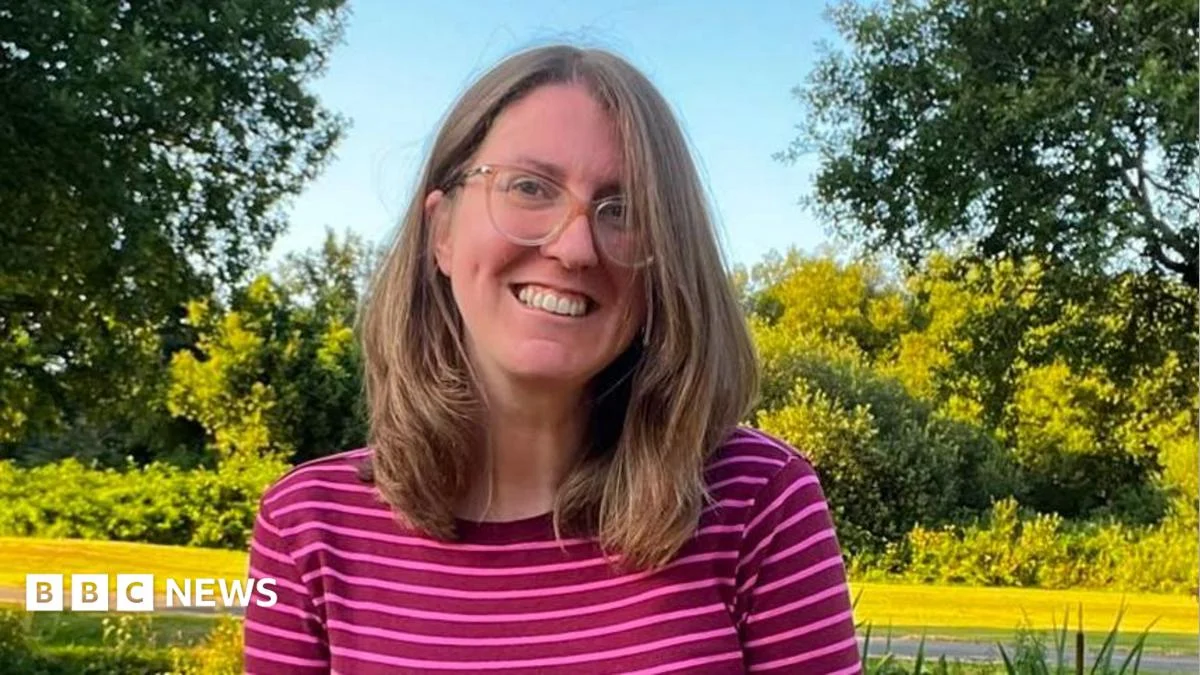
During England’s warmest June on record, a period marked by relentless high temperatures, Tavia Watts, a mother residing in Cheltenham, found herself consumed by a singular, overwhelming fear: the stifling heat in her young children’s bedroom. With temperatures soaring above 30°C, the physical discomfort translated into a profound mental distress, illustrating the deeply personal impact of climate change. "During the heatwave, I’ve got a high level of anxiety all the time and I’m pretty much useless," Watts confided, her voice echoing the desperation of countless parents. Her experiences, including moments of leaving her children’s bedtime stories to cry in private, underscore a burgeoning crisis of "anticipatory anxiety" directly linked to environmental shifts. This isn’t merely discomfort; it’s a visceral terror for the well-being and future of the next generation, propelling individuals into a state of acute emotional vulnerability.
Watts’s raw, unscripted video, shared with her modest Instagram following, articulated an inner turmoil that resonated far beyond her immediate circle. Her candid declaration—that the heat "feels like the world is literally ending," that she’s "terrified for [her] children’s lives," and that she "wants to scream at the people not taking this seriously"—struck an immediate and powerful chord. The video rapidly garnered over 18,000 likes and 1,700 reposts, transforming a private moment of despair into a public testament of shared apprehension. This viral spread wasn’t merely about social media engagement; it was evidence of a collective, often unspoken, societal burden. Watts’s experience laid bare the widespread emotional impact of climate change, confirming that her intense feelings of helplessness and fear were far from isolated. The outpouring of support and shared stories, including comments from therapists offering coping mechanisms, affirmed that her vulnerability had illuminated a universal struggle, validating the anxieties of many who had felt alone in their distress.
Defining the Invisible Threat: Climate Anxiety
The phenomenon Tavia Watts experienced is increasingly recognized as climate anxiety, a distinct form of mental distress acknowledged by professional bodies and even the National Health Service (NHS) in the UK. Far from being a fleeting worry, it encompasses chronic fear, apprehension, and sadness related to the observable and projected impacts of climate change. A 2022 study from the University of Bath estimated that approximately 4.6% of people in the UK suffer from climate anxiety, a figure that highlights its pervasive nature. This isn’t an abstract concern confined to environmental activists; it’s a tangible psychological burden affecting a significant portion of the population.
Further research, including a study slated for publication in 2025, indicates that certain demographics are disproportionately vulnerable. Young people and women are identified as among the groups most at risk. Young individuals, facing a lifetime under the escalating shadow of climate change, often grapple with profound existential dread and a sense of betrayed futures. Women, frequently positioned as primary caregivers and community organizers, may experience heightened anxiety due to their perceived responsibility for family well-being and a greater societal burden of emotional labor. This demographic disparity suggests that climate anxiety is not merely a universal human reaction but is shaped by social roles, future outlooks, and perceived agency.
Psychologists Dr. Caroline Hickman from the University of Bath and Dr. Emma Lawrance from the University of Oxford have observed a notable increase in "anticipatory anxiety," particularly in relation to recurring extreme weather events like heatwaves. Dr. Hickman, who provides therapy to individuals experiencing climate anxiety, explains the psychological trajectory: "Once people have been through a traumatic event like a flood or a heatwave, they anticipate the next one." This anticipation morphs into a chronic state of hyper-vigilance and dread, especially in regions like the UK, where extreme weather patterns are becoming "repeat, repeat, repeat." The relentless recurrence of these events erodes a fundamental sense of security, fostering a deep-seated feeling that "I can’t be safe in the world, and the world can’t be trusted."
The psychological toll can be devastating. Dr. Hickman recounts alarming examples from the June heatwave, illustrating the severity of the mental health crisis: "I had people saying they’re going to kill themselves, I’ve had people saying they’re going to terminate pregnancies, I’ve had people saying that they want to sell their houses and move somewhere cooler." These extreme responses underscore the profound existential threat that climate change poses to individuals’ mental landscapes, pushing some to contemplate drastic life changes or, in the most tragic cases, self-harm. The erosion of trust in a stable environment translates into an erosion of trust in one’s own future and capacity for well-being.
From Helplessness to Hope: Strategies for Resilience
Despite the overwhelming nature of climate anxiety, the narrative is not solely one of despair. Tavia Watts’s viral video, beyond merely highlighting the problem, also catalyzed a conversation about solutions. Watts herself recognized the bifurcated path one can take when confronted with such profound fears. "It can go one of two ways. You can either just fall into doomism and think, ‘What is the point?’" she observed, articulating the seductive pull of nihilism. "Or you can try to do something."
Watts chose the latter, demonstrating how personal agency can be reclaimed even in the face of global challenges. Her actions, ranging from signing petitions during a heatwave and organizing climate community events to running a free children’s clothes swap shop and adopting a vegetarian diet, exemplify a proactive approach to combating climate anxiety. For her, becoming vegetarian during the last heatwave was a tangible way to tell her children, "at least I tried," imbuing her actions with a sense of purpose and a commitment to future generations. This shift from passive worry to active engagement is a crucial step in managing the psychological burden of climate change.
Dr. Emma Lawrance offers further expert recommendations for coping with climate anxiety, emphasizing a multi-faceted approach that integrates social, psychological, and physiological strategies:
The Power of Connection: Talking to Others
One of the most significant barriers to addressing climate anxiety is the pervasive "perception gap." Dr. Lawrance highlights that there’s often "a huge perception gap between how concerned people are about climate change, and how much they think other people care." This misperception leads individuals to wrongly assume they are in the minority or entirely alone in their worries, exacerbating feelings of isolation and helplessness. By openly discussing these anxieties, individuals discover shared concerns, receive validation, and build solidarity. Creating safe spaces for these conversations—whether with friends, family, or support groups—helps normalize these difficult emotions. Dr. Lawrance advises making "space to be kind to yourself, to tend to those emotions and know that it’s coming from a place of care for the world." This self-compassion is vital, acknowledging that climate anxiety is a rational response to an existential threat, not a personal failing.
Community and Collective Action
Beyond individual conversations, finding and engaging with a supportive community is paramount. Dr. Lawrance strongly recommends connecting with a strong social network of like-minded individuals who share similar concerns and are committed to positive action. This collective engagement can take various forms, from local initiatives like planting a community garden at a school or organizing the installation of solar panels on a business roof, to participating in broader advocacy efforts. The act of taking tangible steps, however small, transforms anxiety from a paralyzing force into a catalyst for change. It provides a sense of agency, channels emotional energy into constructive outlets, and, crucially, can alleviate the symptoms of anxiety itself. The feeling of being part of a solution, rather than passively observing a problem, fosters hope and resilience. For further support and resources, Dr. Lawrance cites organizations such as the Climate Psychology Alliance in the UK, the Resilience Project, the Climate Cares Centre, and the Climate Majority Project. These groups offer specialized guidance and platforms for collective action, helping individuals navigate their climate anxieties within a supportive framework.
Physical Well-being as a Foundation
The intricate link between physical and mental health is particularly salient in the context of climate anxiety and extreme heat. Dr. Lawrance emphasizes that physical discomfort, especially from high temperatures, can significantly exacerbate anxiety and worsen overall mood. The physiological stress of being overheated—increased heart rate, difficulty concentrating, disrupted sleep—directly feeds into psychological distress. Therefore, actively managing physical comfort during extreme heat is not merely about convenience; it’s a critical component of mental health resilience. Simple yet effective strategies include taking cool showers, applying a cold washer to the neck, and ensuring adequate hydration. "All of those things will help physiologically as well," Dr. Lawrance explains. These self-care actions are empowering reminders that, even when faced with overwhelming global challenges, individuals retain agency over their immediate environment and well-being. "There’s a lot we can do—we’re not powerless," she concludes, offering a powerful message of hope and empowerment.
Towards a Resilient Future
The experiences of Tavia Watts and the insights from experts like Dr. Caroline Hickman and Dr. Emma Lawrance illuminate the profound and growing impact of climate change on mental health. Climate anxiety is a legitimate and widespread phenomenon, demanding compassionate understanding, robust psychological support, and proactive community engagement. As extreme weather events become more frequent and intense, the ability to recognize, address, and cope with these emotional burdens will be as crucial as any physical adaptation strategy. By fostering open dialogue, building supportive communities, empowering individuals through action, and prioritizing physical well-being, society can collectively navigate the psychological complexities of a warming world, transforming despair into purposeful resilience. The journey towards a sustainable future must inherently include the cultivation of mental and emotional fortitude, ensuring that individuals are equipped not just to survive, but to thrive amidst unprecedented environmental shifts.
