
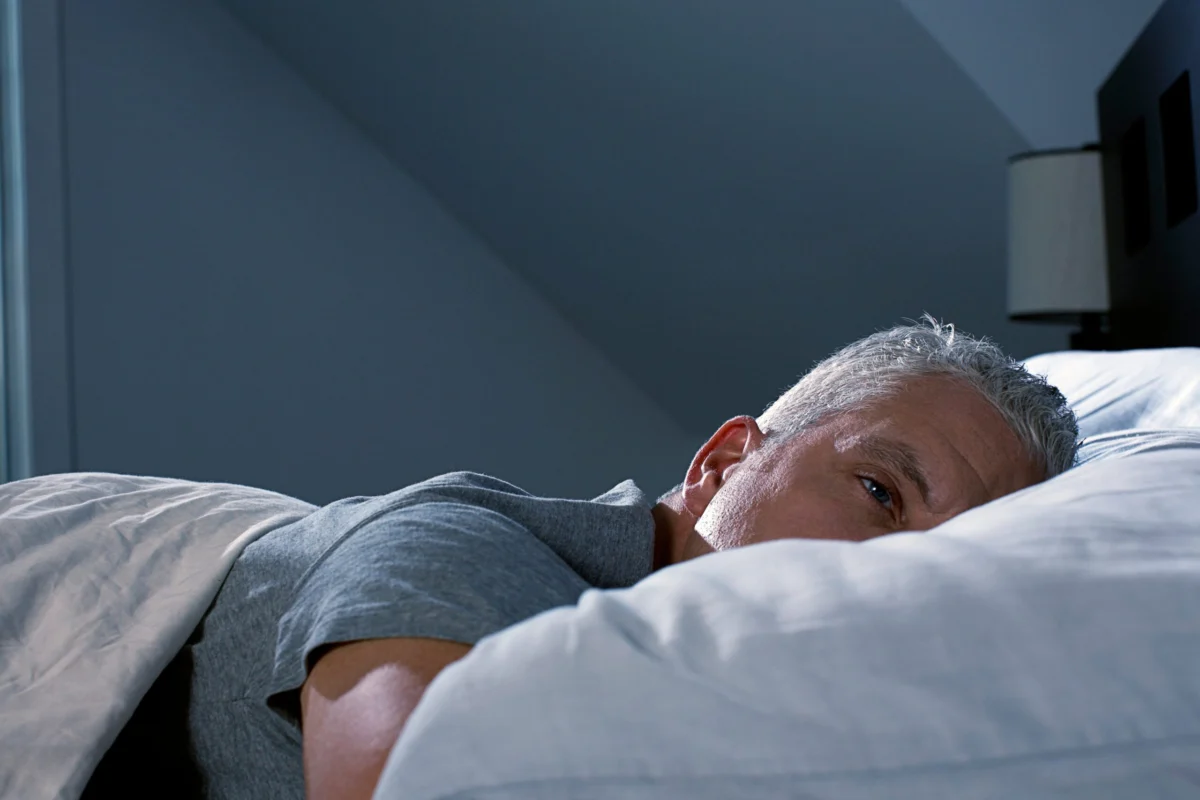
"Quality sleep is not merely a passive state of unconsciousness but a physiological process that requires active environmental management and psychological de-escalation to function optimally."
In an era defined by constant connectivity and high-performance demands, the ability to transition quickly into restorative sleep has become a critical skill for physical health and cognitive longevity. While many view sleep as a simple "on-off" switch, sleep medicine experts emphasize that the transition from wakefulness to slumber is a complex biological cascade influenced by light exposure, core body temperature, and the state of the autonomic nervous system. Understanding the mechanisms behind sleep onset allows individuals to move beyond the frustration of tossing and turning, utilizing proven techniques to bypass the "conditioned arousal" that often keeps the modern mind awake long after the lights go out.
The Digital Dilemma: Cognitive Processing and Blue Light
One of the most significant hurdles to modern sleep is the ubiquity of screens. Dr. Alex Dimitriu, a psychiatrist and founder of Menlo Park Psychiatry & Sleep Medicine, notes that the brain requires a gradual "ramp-down" period. When we engage with smartphones and tablets right up until the moment we attempt to sleep, we deny the brain the opportunity to transition from an active, "on" state to a resting state.

Furthermore, the "time gaps" in our day—once filled with idle thought—have been replaced by constant digital consumption. When we finally turn off the lights, the brain is forced to process the entire day’s worth of information all at once, leading to a surge of racing thoughts. Beyond the psychological stimulation, the blue light emitted by devices has long been known to suppress melatonin, the hormone responsible for regulating the sleep-wake cycle. While some recent research suggests the impact of blue light on sleep duration may be less dramatic than previously thought, the emotional content of digital media—be it stressful news or social comparisons—remains a potent trigger for wakefulness. For those who must read digitally, switching to an e-reader in dark mode is a preferable alternative to the high-intensity light of a smartphone.
Physiological De-escalation: The Military Method and Breathwork
For those in high-stress environments, such as the armed forces, falling asleep quickly is a tactical necessity. The "Military Sleep Method," popularized by the Cleveland Clinic, is a technique designed to induce sleep within two minutes. The process involves a systematic relaxation of the body, starting with the muscles in the face—including the tongue and the area around the eyes—and moving down to the shoulders, chest, and limbs. By combining this progressive muscle relaxation with slow, deep breathing and mental visualization of a peaceful environment, individuals can effectively "ground" themselves, signaling to the nervous system that it is safe to shut down.
Breathing exercises further support this transition by modulating the autonomic nervous system. Dr. Dimitriu emphasizes the importance of slow, effortless exhalations. Physiologically, a prolonged exhalation increases parasympathetic nervous tone. This shift from the sympathetic "fight or flight" system to the parasympathetic "rest and digest" system slows the heart rate and induces a state of physical calm. Techniques such as holding a full breath briefly before a slow release can act as a natural sedative, focusing the mind on the rhythm of the body rather than external stressors.
Environmental Engineering: The Architecture of the Bedroom
Sleep hygiene—the set of environmental and behavioral practices that promote sleep—is anchored in the concept of the bedroom as a "sleep zone." A primary factor in this is thermoregulation. Research indicates that an ambient room temperature between 60 and 68 degrees Fahrenheit is optimal for sleep. This is because the initiation of sleep is tied to a drop in core body temperature; a cool environment facilitates this heat loss, triggering the biological processes necessary for rest.
Equally important is the psychological association with the bed. The rise of "work-from-home" culture has led many to use their beds as makeshift offices, a habit that leads to "conditioned arousal." When the brain associates the bed with work, social media engagement, or problem-solving, it becomes trained to remain alert in that space. Dr. W. Christopher Winter, author of The Sleep Solution, warns that if it consistently takes hours to fall asleep, the bed has likely become a place of mental activity rather than rest. Reclaiming the bedroom exclusively for sleep and intimacy is essential for re-establishing the neurological link between the bed and immediate slumber.
The Psychology of Slumber: Mindfulness and the Tracker Paradox
Mindfulness meditation and guided imagery serve as powerful tools for redirecting the "worry and rumination" that often plague older adults and high-achievers. By focusing on specific sensory details of a peaceful memory or a visualized forest, the brain is diverted from the "rehash" of daily events. Studies published in JAMA have confirmed that these mindfulness practices significantly improve sleep quality by reducing mood disturbances and lowering cortisol levels.
However, the modern obsession with "optimizing" sleep can sometimes backfire. The emergence of "orthosomnia"—a term coined by researchers in the Journal of Clinical Sleep Medicine—describes the anxiety caused by the preoccupation with perfecting sleep data from wearable trackers. For some, the pressure to achieve a "perfect" sleep score creates a self-fulfilling prophecy of insomnia. If a sleep tracker becomes a source of stress rather than a tool for insight, experts suggest abandoning the device to alleviate the self-induced pressure to perform during rest.
Nutritional Influences: Biochemistry on a Plate
What we consume in the hours leading up to bedtime creates the chemical foundation for sleep. Acid reflux, often triggered by spicy, heavy, or acidic foods like chocolate and citrus, is a common but frequently overlooked cause of wakefulness. Dr. David Poppers of NYU Langone suggests waiting at least two hours after a meal before lying down to prevent esophageal irritation.

The chemical impact of caffeine and alcohol is also profound. Caffeine can deduct significant time from total sleep even when consumed six hours before bed, while alcohol, though a sedative, often disrupts the later stages of the sleep cycle. Conversely, certain foods can actively promote sleep. Milk, for instance, contains $alpha$-lactalbumin, which is rich in the amino acid tryptophan. Tryptophan is a precursor to melatonin, and its absorption is further enhanced by the calcium found in dairy. Incorporating tryptophan-rich foods like egg whites or pumpkin seeds into the evening can provide the raw materials the brain needs to manufacture sleep hormones.
The Role of Temperature and Emerging Supplements
The timing of a nightly shower can also be a deciding factor in sleep latency. While a hot shower is relaxing, doing so immediately before bed can raise the core body temperature too high for sleep onset. The ideal approach is to shower early enough to allow the body to undergo the subsequent cooling phase, which mimics the natural temperature drop that precedes sleep.
In recent years, Cannabidiol (CBD) has emerged as a popular non-sedative aid for sleep. While not a direct hypnotic, CBD’s potential lies in its ability to manage anxiety and foster a sense of systemic calm. By lowering the threshold of physiological arousal, it allows the body’s natural sleep mechanisms to take over without the grogginess often associated with traditional sedatives.
The Philosophy of Rest
Finally, it is vital to understand the intrinsic value of rest, even when actual sleep remains elusive. A study funded by the National Institute of Mental Health (NIMH) found that during periods of "quiet wakefulness"—lying still with eyes closed—certain neurons in the brain "turn off," providing a degree of cognitive recovery that mimics sleep. While resting does not provide the full memory consolidation or hormone regulation of deep REM sleep, acknowledging its benefits can reduce the panic associated with insomnia. By lowering the stakes and accepting rest as a valuable secondary state, the paradoxical effort of "trying" to sleep is diminished, often allowing the body to finally drift off into the restorative slumber it requires.
