
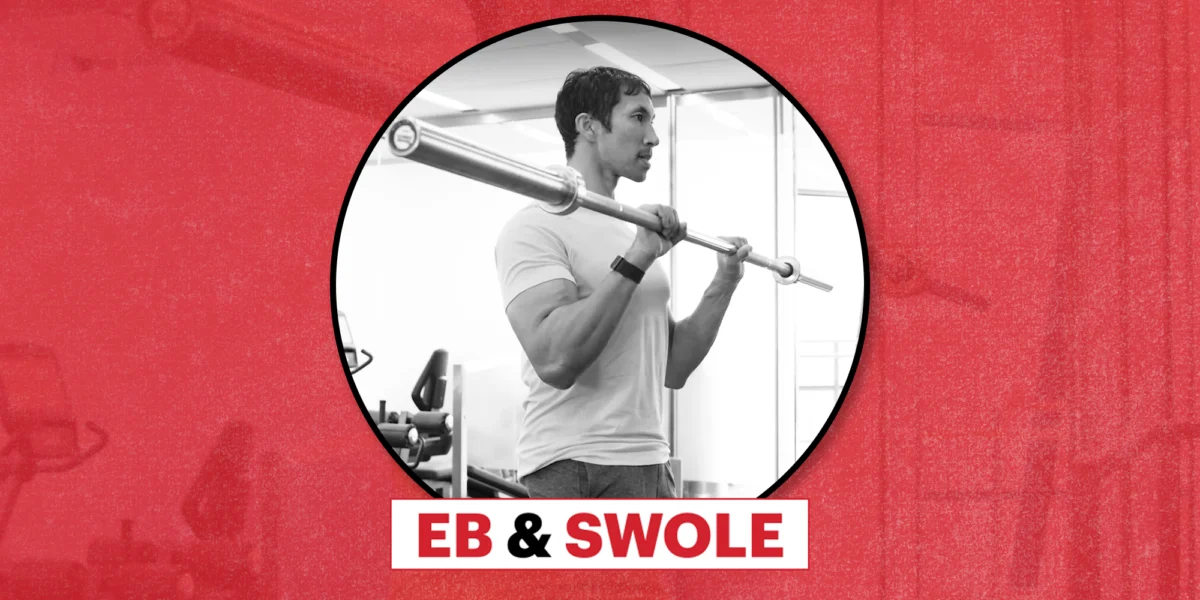
"By shifting to a pronated grip, the reverse curl transforms a standard arm exercise into a powerhouse for grip endurance and brachioradialis development, filling the functional gap left by traditional curls."
While many lifters prioritize the peak of the biceps or the sweep of the triceps, the forearms are frequently relegated to a secondary role in upper-body training. The reverse curl offers a strategic shift in mechanics that emphasizes the often-overlooked muscles of the lower arm, specifically targeting the brachioradialis. By mastering this movement, athletes can unlock significant gains in grip stability and aesthetic balance, ensuring that their pulling power and forearm development match the strength of their larger muscle groups.
The Case for Dedicated Forearm Training
In the landscape of modern fitness, the forearm is often treated as a byproduct of other movements. Many trainees operate under the assumption that heavy deadlifts, rows, and standard biceps curls provide sufficient stimulus for the lower arm. While these exercises do require significant isometric grip strength, they rarely provide the targeted hypertrophy needed to develop a truly balanced physique or the specific functional endurance required for high-level performance.
Neglecting the forearms can lead to a "weak link" in the kinetic chain. When a lifter’s grip fails before their back muscles during a heavy set of rows, or when their wrists buckle during a heavy overhead press, the limitation is rarely the primary mover; it is the forearm. Ebenezer Samuel, C.S.C.S., fitness director for Men’s Health, argues that a small amount of dedicated forearm work can yield disproportionate benefits for both functional strength and injury prevention. The reverse curl is the cornerstone of this specialized training.
Anatomy of the Reverse Curl: Beyond the Biceps
To understand why the reverse curl is effective, one must understand the anatomy of the arm. In a traditional biceps curl, the palms are supinated (facing up). This position puts the biceps brachii in a mechanically advantageous position to flex the elbow.
When the grip is switched to a pronated (palms down) position, as it is in the reverse curl, the biceps brachii becomes less efficient at flexing the elbow. This shift forces other muscles to take the lead. The primary beneficiary of this mechanical disadvantage is the brachioradialis. This muscle runs from the bottom of the humerus to the end of the radius at the wrist. It is the thick muscle on the thumb-side of the forearm that creates the "bulky" look associated with powerful arms.
Additionally, the reverse curl heavily engages the brachialis, a muscle that sits deeper than the biceps. While the brachialis is active in many curling variations, the pronated grip ensures it remains a primary driver of the movement. Developing the brachialis is essential for arm thickness, as it literally pushes the biceps muscle upward, making the entire upper arm appear larger.
Technical Execution: The Art of the Reverse Curl
Executing the reverse curl requires more than just flipping the hands over. Because the grip is the limiting factor, technical precision is paramount to ensure the tension stays on the target muscles rather than being dissipated through momentum or compensatory movements.
The Foundation: Plant and Squeeze
Stability starts at the floor. To prevent the body from swaying—a common error in all curling movements—the lifter must establish a rigid frame. This begins by planting the feet firmly at shoulder-width. From there, a "bottom-up" tensioning process should occur: squeeze the glutes to stabilize the pelvis, brace the abdominals to protect the spine, and retract the shoulder blades slightly to create a stable platform for the arms. This total-body tension ensures that the only moving part is the elbow joint.
The Grip: Preventing the "Wrist Flip"
The most common mistake in the reverse curl occurs at the wrist. Many lifters instinctively try to "curl" the weight with their wrists by extending them upward as they lift. This not only shifts the tension away from the brachioradialis but also puts undue stress on the wrist extensors, potentially leading to overuse injuries like lateral epicondylitis (tennis elbow). The goal is to keep the wrists in a neutral, straight line with the forearm throughout the entire range of motion. The grip should be tight and active, acting as a rigid extension of the arm.
The Range of Motion: Control and Tempo
The reverse curl should be performed with a deliberate tempo. The concentric (upward) phase should be a smooth pull, followed by a momentary pause at the top of the movement to maximize peak contraction. The eccentric (downward) phase is perhaps the most important part of the movement for hypertrophy. Lowering the weight slowly forces the brachioradialis and brachialis to work against gravity, creating the micro-tears necessary for muscle growth.
Overcoming the Grip Challenge
The defining characteristic of the reverse curl is the grip challenge. In a standard curl, the bar "sits" in the palms, cradled by the fingers. In a reverse curl, the bar wants to roll out of the hands.
"When I do a standard bicep curl or even a hammer curl, to some extent, I can cradle with my grip. I don’t need to actively squeeze the bar as tightly as possible," Samuel notes. "But once I have that bar flipped over and I’m doing the reverse curl… if I loosen my grip, the bar is simply going to fall to the ground."
This constant battle against gravity provides an intense stimulus for the muscles of the hand and wrist. This "time under tension" for the grip translates directly to other lifts. Athletes who incorporate reverse curls often find that their performance in pull-ups, deadlifts, and farmer’s carries improves because their hands are conditioned to maintain a high-tension squeeze for extended periods.
Equipment Selection: Barbell vs. EZ-Bar vs. Dumbbells
While the reverse curl can be performed with various implements, each offers a different stimulus and level of comfort.
- The Barbell: The straight barbell is the most traditional choice but can be the most taxing on the wrists. Because a straight bar forces the wrists into full pronation, lifters with limited mobility may experience discomfort or "clicking" in the joint.
- Dumbbells: Dumbbells allow for a more natural path of motion and can help identify unilateral imbalances. However, they require more stabilization, and there is a tendency for the hands to rotate toward a "hammer" grip (neutral) as the forearms fatigue.
- The EZ-Bar: Generally considered the gold standard for reverse curls, the EZ-bar features angled grips that allow for a "semi-pronated" position. This slight angle reduces the strain on the wrists while still maintaining the mechanical disadvantage for the biceps, allowing for a more comfortable and effective workout.
Strategic Programming
The reverse curl is not a primary "ego lift." Because the brachioradialis is a smaller muscle group compared to the lats or chest, and because the grip is a significant bottleneck, the weight used will be substantially lower than what one might use for a standard curl. A common recommendation is to start with approximately 50% of your traditional curl weight.
For most trainees, three sets of 8 to 12 repetitions are ideal. This rep range provides enough volume for hypertrophy while allowing the lifter to maintain strict form. Because the movement is highly targeted and involves lighter loads, it is best utilized as a "finisher" at the end of an upper-body or arm-focused session. Placing it at the end of a workout ensures that your grip is not fatigued for heavy compound movements like rows or pull-downs.
Who Should Prioritize the Reverse Curl?
While every lifter can benefit from improved grip and forearm aesthetics, certain individuals will find the reverse curl particularly transformative.
Athletes involved in combat sports, climbing, or gymnastics, where hand strength is a primary performance metric, should consider the reverse curl a staple. Furthermore, for the "hard gainer" or the aesthetic-focused lifter, the reverse curl provides the finishing touch to the arms. Large biceps and triceps can look disproportionate if they are supported by thin, underdeveloped forearms. The reverse curl bridges this gap, creating the "Popeye" forearm look that signifies true functional power.
Conversely, those who already perform a massive volume of heavy, high-intensity pulling—such as competitive powerlifters or strongmen—may find that their forearms receive enough stimulus from their primary lifts. However, even for these elite athletes, the reverse curl can serve as a valuable tool for prehabilitation, ensuring the tendons of the elbow remain resilient under the stress of heavy loads.
In conclusion, the reverse curl is a masterclass in efficiency. By simply turning the hands over, you engage a suite of muscles that are often ignored, fortify your grip against failure, and build the kind of forearm mass that commands respect in and out of the gym. It is a reminder that in fitness, as in many things, the smallest adjustments often lead to the most significant results.
