
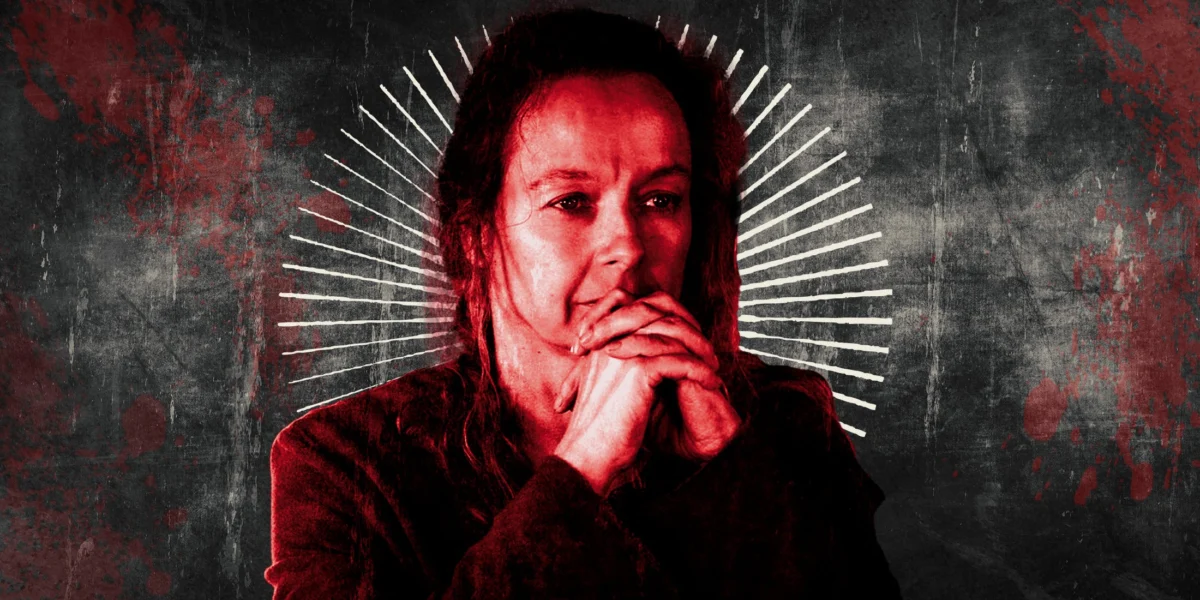
"By eschewing digital effects for the visceral tactility of 1980s body horror, Christopher Nolan’s The Odyssey transforms a classic myth into a chilling exploration of human vulnerability through the lens of practical cinema."
In his latest cinematic endeavor, Christopher Nolan moves beyond the atmospheric dread that has long defined his filmography to deliver a sequence of overt horror that challenges the boundaries of modern blockbuster filmmaking. By adapting Homer’s ancient epic, Nolan utilizes the episodic structure of the source material to experiment with genre, most notably in a mid-film encounter with the enchantress Circe that serves as a tribute to the practical effects era of the 1980s.
The Architecture of Fear in Nolan’s Filmography
Christopher Nolan has spent the better part of three decades masterminding films that toy with the psychological stability of his characters and his audience. While he is often categorized as a director of cerebral science fiction or high-stakes thrillers, fear has always been the silent engine driving his narratives. In Batman Begins (2005), the Scarecrow’s fear toxin provided a literal manifestation of phobia, turning the citizens of Gotham into vessels of their own worst nightmares. In The Dark Knight (2008), the Joker represented a different kind of terror: the horror of the unknown and the unpredictable anarchy of a man who "just wants to watch the world burn."

Even in his more expansive works, such as Interstellar (2014) and Dunkirk (2017), the "horror" is found in the existential—the crushing weight of time, the vast indifference of space, or the relentless, unseen approach of an enemy on a beach. However, these films remained rooted in the tradition of the thriller. Dread lurked in the shadows or was reflected in the ticking of a clock. With The Odyssey, Nolan finally brings that terror into the light, allowing it to walk directly into the frame and confront the protagonist in a way that is both physically and psychologically transformative.
The Island of Aeaea: A Descent into the Macabre
The narrative pivot occurs roughly halfway through The Odyssey’s nearly three-hour runtime. Following a harrowing and fatal encounter with the Laestrygonians—a tribe of man-eating giants—the crew of Odysseus, played by Matt Damon in a performance that critics are calling a career-best, finds themselves depleted and desperate. The tension within the ranks reaches a breaking point, leading to a "soft mutiny" led by Eurylochus (Himesh Patel). The crew, driven by hunger and exhaustion, chooses to explore a mysterious island against the instincts of their captain.
From the moment the crew sets foot on the island of Aeaea, Nolan shifts the film’s visual and auditory language. The sequence is defined by an overwhelming sense of wrongness. Working with his frequent collaborator, cinematographer Hoyte van Hoytema, Nolan utilizes a series of disorienting camera movements inspired by his work on Tenet. The camera pushes and pulls in ways that defy natural perspective, creating a sense of vertigo as the men ascend toward a remote cabin.
The auditory landscape, crafted by Academy Award-winning composer Ludwig Göransson, is equally unsettling. Eschewing traditional melodic structures, Göransson employs a rhythmic, scraping noise produced by a guiro-like instrument, punctuated by sudden, loud chimes. This "sonic assault" mirrors the psychological state of the crew—men who are no longer sure of their surroundings or their own safety.

The Circe Sequence: A Masterclass in Practical Effects
The centerpiece of this horror excursion is the encounter with Circe, portrayed with a chilling, understated intensity by Samantha Morton. In Greek mythology, Circe is a goddess of magic who transforms those who offend her into animals. In Nolan’s hands, this transformation is not a magical flourish, but a grueling, visceral ordeal.
In a move that has become a hallmark of his directorial style, Nolan insisted on achieving the transformation sequence through practical effects rather than computer-generated imagery (CGI). Actor Himesh Patel noted in interviews that the lack of digital intervention was almost unbelievable given the complexity of the scene. The production looked back to the "golden age" of body horror, specifically citing John Carpenter’s The Thing (1982) and John Landis’s An American Werewolf in London (1981) as primary influences.
The sequence cross-cuts between Odysseus hunting a deer in the woods and the crew feasting in Circe’s shack. As Odysseus kills his prey, the animal reverts to a human form, revealing the true nature of Circe’s "livestock." Simultaneously, the crew’s meal turns into a nightmare. The sounds of eating—slurping and chewing—gradually morph into the sounds of choking and bone-breaking. The men’s bodies are shown folding and weaving into the forms of swine, a process depicted with a tactility that makes the viewer feel every "snap" of the transition. By avoiding the "smoothness" of CGI, Nolan ensures that the scene feels grounded in reality, making the supernatural elements feel all the more intrusive and terrifying.
The Episodic Strength of The Odyssey
One of the challenges of adapting The Odyssey is its inherently episodic nature. The poem is a collection of various adventures, each with its own tone and set of stakes. For many directors, this could lead to a disjointed film that feels like a series of disconnected vignettes. However, Nolan uses this structure to his advantage. By allowing each "episode" to have its own cinematic identity, he can explore different genres—war, romance, fantasy, and horror—while maintaining a cohesive narrative through the character of Odysseus.

This evolution of Nolan’s relationship with fear is essential to the film’s success. It demonstrates a director who is no longer content with merely suggesting terror; he is now interested in the mechanics of it. The Circe sequence functions as a standalone horror short film embedded within a larger epic, proving that Nolan’s precision and technical prowess are perfectly suited for the genre.
The Implications for Nolan’s Future
The success of the horror elements in The Odyssey has sparked widespread speculation regarding Christopher Nolan’s future projects. The director has openly expressed his interest in the genre, stating that he finds the visceral emotional response of horror to be a unique challenge. "You’re trying to make people literally feel something in their bones about what’s going on on-screen," Nolan remarked in a recent podcast appearance.
If The Odyssey is a litmus test for a "Nolan Horror Film," the results are undeniably potent. The film arrives at a time when the horror genre is experiencing a significant revival, moving away from "jump scares" toward more atmospheric and "elevated" storytelling. Nolan’s entry into this space, even as a subset of a larger epic, brings a level of prestige and technical sophistication that could redefine what audiences expect from a big-budget horror production.
Ultimately, The Odyssey is more than just a retelling of a classic myth; it is a showcase for a director who continues to expand his toolkit. By looking back to the tactile effects of the 1980s and combining them with modern cinematic techniques, Nolan has created a version of Circe’s island that will likely haunt the collective consciousness of moviegoers for years to come. The possibilities of Nolan diving into an original, full-length horror story are as exciting as they are terrifying, suggesting that the master of the "mind-bending" thriller may soon become the master of the modern nightmare.
