
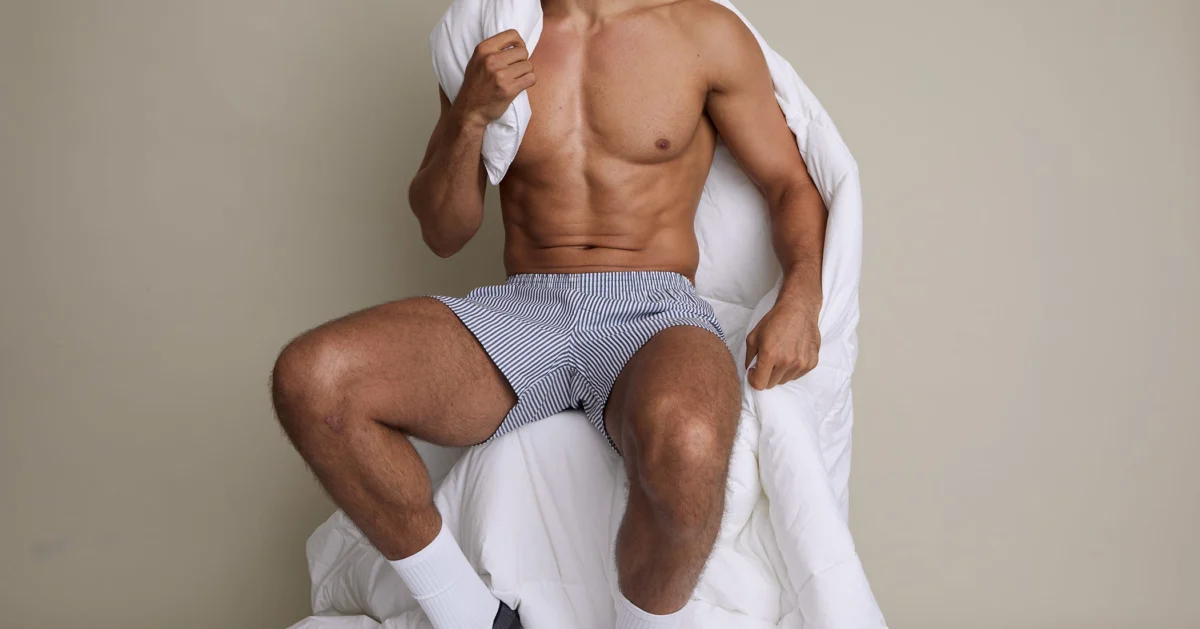
"Modern men’s underwear has evolved beyond basic utility into a sophisticated blend of material science and ergonomic design, prioritizing breathability and structural support to accommodate the demands of an active lifestyle."

While once considered a simple, overlooked staple of the male wardrobe, the boxer short has undergone a significant transformation driven by advancements in textile engineering and a deeper understanding of male anatomy. Today’s market reflects a shift away from the bulky, ill-fitting "one-size-fits-all" mentality, moving instead toward specialized garments that utilize high-performance fabrics like modal, bamboo, and Pima cotton. This evolution caters to a diverse range of needs, from moisture-wicking properties required for high-intensity athletics to the refined, silky drapes preferred for long-haul travel and professional office environments.
The Engineering of Support: Mack Weldon’s Design Paradigm
At the forefront of the modern boxer revolution is the concept of the "hybrid" fit. Mack Weldon has redefined the category by abandoning the traditional loose-hanging design in favor of a more structured silhouette. Their top-rated boxer utilizes a unique paneling system: a single panel wraps around the back and hips, meeting a U-shaped panel in the front. This design mimics the support of a boxer-brief while maintaining the airy freedom of a traditional boxer.

Materially, the inclusion of a buttery-soft cotton and modal blend ensures that the waistband—often a point of irritation in cheaper brands—is wrapped in the same premium fabric as the body. For the modern man who commutes or travels, the addition of a stretch gusset is a critical inclusion, providing the necessary flexibility for thigh movement without the fabric bunching or riding up.
Heritage Brands and the Innovation of Basics: Hanes and Calvin Klein
Even legacy brands have been forced to innovate to stay relevant in an increasingly competitive market. Hanes, long synonymous with affordable multi-packs, has infused its classic designs with "second skin" technology. Their latest iterations focus on moisture-wicking properties, designed to pull sweat away from the body to maintain a dry microclimate. This is particularly vital for those with "hybrid" schedules who may transition from a desk to a gym or a social outing without a wardrobe change.

Similarly, Calvin Klein remains a staple not through radical redesign, but through the perfection of the knit cotton boxer. Often described as the "blueprint" for the category, the CK knit boxer focuses on a roomy, non-restrictive fit that mimics the comfort of high-quality sweatpants. The understated logo waistband remains an industry icon, but the true value lies in the fabric’s ability to drape naturally without pinching or clinging, making it a preferred choice for lounging and daily office wear.
The Rise of Sustainable Performance: Bamboo and Modal
One of the most significant shifts in underwear manufacturing is the move toward alternative fibers. Bamboo Cool has gained traction by utilizing bamboo-derived fabrics blended with spandex. Bamboo is naturally more breathable than traditional cotton and possesses inherent antimicrobial properties. For athletes, this translates to a garment that stays "cool as a cucumber" during high-intensity leg days involving deadlifts and lunges.

Modal—a semi-synthetic fiber made from beech tree pulp—has also become a cornerstone of the premium market. Brands like Tommy John and Skims have leveraged modal for its incredible softness and "snap-back" resilience. Tommy John’s "Second Skin" relaxed-fit boxer features a 6-inch inseam and a proprietary "Quick Draw" fly, solving the common problem of cumbersome bathroom trips. Skims, entering the men’s space with significant momentum, offers a cotton-modal-elastane blend that resists "bagging out" even after three months of rigorous wear-testing, including bike rides and long-haul flights.
Luxury and the "First Layer" Philosophy: Sunspel and Brooks Brothers
For the discerning consumer, the boxer is viewed as the most important layer of a professional ensemble. Sunspel, a brand rooted in British luxury, treats the boxer short as a piece of fine tailoring. Utilizing high-grade poplin cotton, their boxers offer a silky, smooth texture that provides a rich feel without being visually flashy. This "everyday luxury" approach is echoed by Brooks Brothers, which uses 100% cotton broadcloth—the same material found in their world-renowned dress shirts. These boxers are engineered to drape away from the skin, providing maximum airflow. This makes them an ideal pairing for relaxed chinos or Bermuda shorts during the height of summer, as the lack of elastane prevents the fabric from clinging to the skin in humid conditions.

The Budget-Friendly Revolution: Uniqlo and J. Crew
Quality does not always require a premium price tag, as evidenced by the offerings from Uniqlo and J. Crew. Uniqlo’s woven trunks have become a cult favorite for their lightweight, airy construction. At a price point often under $10, these boxers utilize a gathered elastic waistband that provides security without digging into the waist. Their striped, polished aesthetic belies their budget-friendly nature, and testing has shown remarkable durability against shrinkage and seam failure.
J. Crew, conversely, focuses on the intersection of style and comfort. Known for their seasonal patterns and preppy aesthetic, J. Crew’s 100% cotton boxers are designed for long-wear comfort. While their patterns often sell out quickly, the underlying construction remains consistent: a soft inner waistband and a standard fit that has remained a favorite for over a decade.

Athletic Integration: Lululemon, Alo Yoga, and Vuori
As the lines between activewear and daily wear continue to blur, brands like Lululemon and Alo Yoga have released boxers specifically designed for movement. Lululemon’s "Always in Motion" line uses a high-performance modal fabric that is both sweat-wicking and four-way stretch capable. The inclusion of an ergonomically shaped pouch is a key feature, providing the "precious jewels" with a dedicated space that prevents chafing during exercise.
Alo Yoga’s "Day and Night" boxer offers a similar silky-smooth texture, leaning toward a snug, slim fit that remains invisible under gym shorts. Meanwhile, Vuori has carved out a niche in the "lifestyle" category. Their boxers feature a mesh gusset—a breathable panel located in the crotch area—that facilitates air circulation during ten-hour office days or long photoshoots. This attention to localized ventilation is a hallmark of modern design, addressing the specific thermal needs of the male anatomy.

Technical Refinement: Nice Laundry and the Slim-Fit Solution
The final frontier of boxer design is the elimination of "bulk." One of the primary complaints regarding traditional boxers is their tendency to bunch up under slim-fitting trousers or chinos. Nice Laundry has addressed this through technical refinement, using a Pima cotton and nylon blend. By incorporating single-needle darts on the back and a diamond-shaped gusset, they have created a slim-fit boxer that provides extra breathing room without the excess fabric. While not recommended for high-intensity sweat sessions due to the moisture-retention properties of Pima cotton, it represents the pinnacle of comfort for the modern professional sitting at a desk for eight hours a day.
Conclusion: Choosing the Right Foundation
The diversity of the current market suggests that there is no longer a single "best" boxer, but rather a best boxer for a specific context. Whether the priority is the high-performance moisture-wicking of a Lululemon modal, the classic broadcloth breathability of Brooks Brothers, or the innovative hybrid support of Mack Weldon, the modern man has more options than ever to ensure his "first layer" is his most comfortable. As material science continues to advance, the humble boxer short will likely continue to evolve, further blurring the lines between luxury, athletics, and everyday essentials.
