
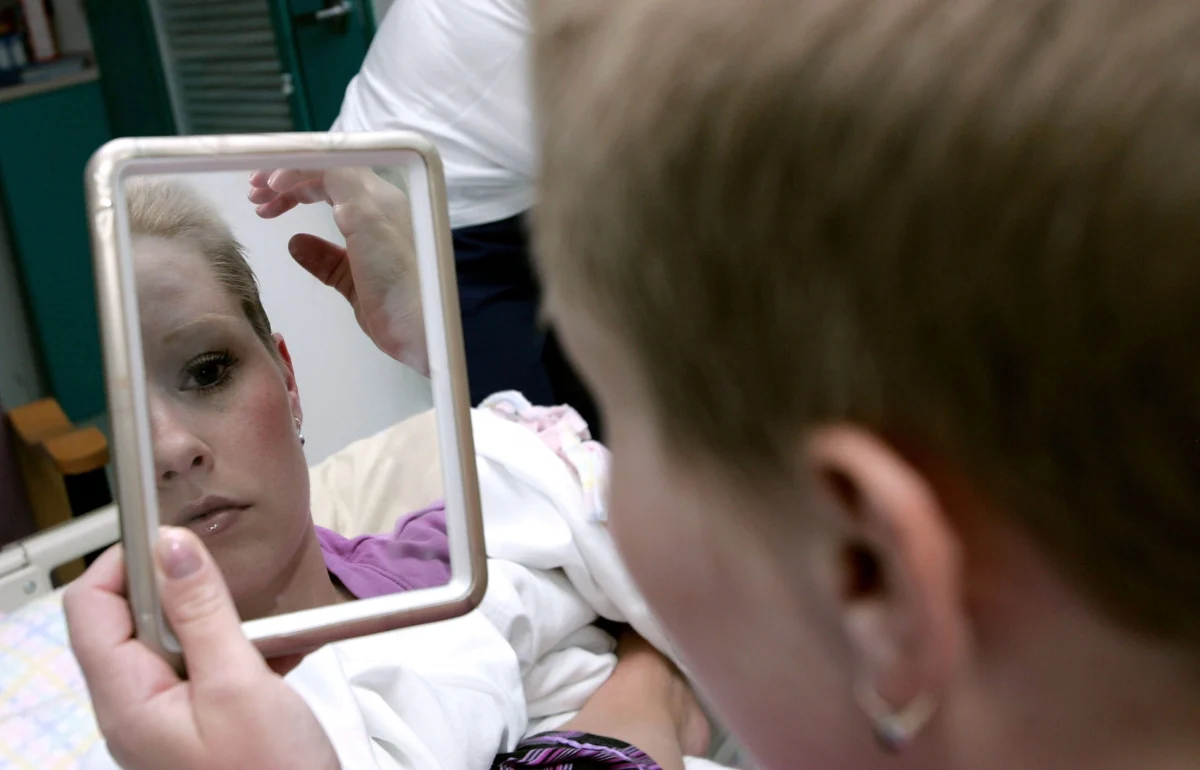
"A significant peer-reviewed study reveals a notable increase in clinically recorded hair loss among adults using GLP-1 receptor agonist drugs like Ozempic and Mounjaro. The U.S. FDA is now formally evaluating this association as a potential safety signal."
A groundbreaking peer-reviewed study published in the prestigious British Medical Journal on July 22, 2026, has uncovered a significant link between the use of GLP-1 receptor agonist drugs and an increased incidence of clinically recorded hair loss in adults. Medications such as semaglutide (marketed as Ozempic and Wegovy) and tirzepatide (marketed as Mounjaro and Zepbound), widely prescribed for type 2 diabetes and increasingly for weight management, have shown a substantially higher rate of hair shedding compared to individuals taking two other common classes of diabetes medications. This finding has prompted the U.S. Food and Drug Administration (FDA) to formally initiate an evaluation of this as a safety signal, a crucial step in assessing potential adverse drug events.
The implications of this research are far-reaching, particularly for the tens of millions of Americans currently utilizing or considering these GLP-1 drugs. Notably, hair loss is not currently listed as a recognized side effect in the official U.S. prescribing information for these medications. This absence means that many patients experiencing hair shedding may not be connecting their symptoms to their prescription, potentially leading to misunderstandings about the cause and appropriate management of this side effect.
The Clinical Significance of Unlabeled Side Effects
When patients encounter an adverse effect that is not formally documented as a potential side effect of their medication, a dual challenge often emerges. Firstly, individuals may be inclined to discontinue their treatment without consulting their healthcare provider. This can result in the loss of critical cardiovascular and metabolic benefits that these drugs offer, undermining the very reasons for their prescription. Secondly, patients might continue the medication without understanding that the observed hair shedding is likely a temporary, reversible phenomenon, often directly correlated with the pace of weight loss rather than indicating permanent damage to hair follicles. Neither of these scenarios is conducive to optimal patient care or therapeutic outcomes.
The research team from the BMJ study aptly highlighted this practical dilemma: "Although the absolute risk of clinically recorded alopecia associated with GLP-1 receptor agonist use is low, the observed association may still influence patients’ satisfaction, adherence, and decisions to start or continue therapy." This statement encapsulates the core issue: a documented, albeit low, risk that is now sufficiently established to warrant open and informed discussions between patients and their clinicians.
Methodology and Findings of the Landmark Study
To investigate this potential link, researchers at the University of Pennsylvania Health System employed a robust methodology known as target trial emulation. This sophisticated approach leverages real-world electronic health records to closely mimic the design of a randomized controlled trial, thereby providing a high degree of confidence in the findings. The study meticulously compared the incidence of clinically recorded alopecia among adults diagnosed with type 2 diabetes who initiated treatment with GLP-1 receptor agonists against those who began taking either SGLT-2 inhibitors or DPP-4 inhibitors, two other established classes of diabetes medications.
The research cohort comprised a substantial number of participants: 12,004 individuals using GLP-1 drugs were compared with 15,221 individuals using SGLT-2 inhibitors. In a separate analysis, 11,964 GLP-1 users were compared with 11,233 users of DPP-4 inhibitors. The comprehensive dataset spanned from January 2019 to September 2024. Crucially, the researchers implemented rigorous statistical adjustments to account for a wide range of potential confounding factors. These included age, sex, ethnicity, pre-existing health conditions, the use of other medications, and body mass index (BMI), all to isolate the specific association with GLP-1 drug use.
Following these comprehensive adjustments, the study revealed that GLP-1 use was associated with a statistically significant increase in the risk of hair loss. Specifically, patients on GLP-1 drugs exhibited a 37 percent higher risk of hair loss compared to those on SGLT-2 inhibitors. The association was even more pronounced when compared to DPP-4 inhibitors, with a 68 percent higher risk observed. In absolute terms, the rate of clinically recorded hair loss among GLP-1 users was 6.91 per 1,000 person-years, contrasting with 5.04 per 1,000 person-years among SGLT-2 inhibitor users. To contextualize these figures, approximately 7 out of every 1,000 individuals using GLP-1 drugs annually developed a clinically recognized diagnosis of hair loss, compared to approximately 5 out of every 1,000 users of the comparator drugs. While the relative difference is statistically meaningful, the absolute number of affected individuals remains relatively low.
Understanding the Mechanism: Weight Loss vs. Direct Drug Effect
It is imperative to understand what the evidence shows and, importantly, what it does not definitively prove. The study identified an association, not direct causation. The research team posits that the most probable mechanism underlying this observed hair loss is not a direct pharmacological effect of the drug on hair follicles, but rather the significant weight loss and caloric restriction that these medications facilitate. Rapid and substantial weight loss, coupled with reduced caloric intake, can induce physiological stress and lead to deficiencies in essential micronutrients such as iron, zinc, and biotin, all of which play critical roles in maintaining healthy hair growth.
This distinction has significant clinical implications. If the hair loss is primarily a consequence of the weight loss induced by GLP-1 drugs, rather than a direct drug toxicity, then two key points emerge. Firstly, the rate and magnitude of weight loss might be modifiable factors that could potentially mitigate or reduce the severity of hair shedding. Secondly, and crucially, the hair loss may be manageable without necessitating the discontinuation of the medication, preserving its therapeutic benefits.
Further strengthening this understanding, the analysis found that the elevated risk of hair loss was specifically linked to non-scarring alopecia. Non-scarring alopecia is characterized by the preservation of hair follicles, meaning that hair regrowth is possible once the underlying trigger, in this case, rapid weight loss, stabilizes. This differentiates it from scarring forms of alopecia, where permanent follicle destruction can render regrowth impossible.
The study authors acknowledge certain limitations inherent in its observational design. As an observational study, it cannot definitively rule out the influence of other unmeasured factors that might have contributed to the observed results. Furthermore, the researchers lacked detailed clinical information regarding the precise severity, extent, duration, and reversibility of hair loss in individual patients following treatment cessation. The study also exclusively enrolled adults with type 2 diabetes, meaning the specific incidence rates may not directly translate to individuals using GLP-1 drugs solely for weight management without a diabetes diagnosis. Consequently, current medical recommendations for the use of GLP-1 drugs have not been altered as a direct result of this study.
Regulatory Scrutiny and Global Reports
The British Medical Journal paper also brought to light that the U.S. Food and Drug Administration’s Adverse Event Reporting System (FAERS) has indeed received reports of hair loss following the initiation of GLP-1 receptor agonists. In response to these reports, the FDA has publicly stated its commitment to "evaluating this potential safety signal."
Adding further context to the scale of this phenomenon, the United Kingdom’s Medicines and Healthcare products Regulatory Agency (MHRA) has recorded a substantial number of spontaneous reports. In 2026 alone, the MHRA received 399 reports of hair loss specifically linked to tirzepatide, following 541 such reports in 2025. For semaglutide, the UK agency documented 148 reports in 2026 and 164 in 2025, as reported by ITV News. While these figures represent spontaneous regulatory reports from a single country and are distinct from clinical trial data, they underscore the breadth of the signal that regulatory bodies are currently assessing.
Identifying At-Risk Populations
The BMJ study’s findings regarding the incidence rate of 6.91 per 1,000 person-years are directly applicable to the population studied: adults with type 2 diabetes. While the underlying mechanism is presumed to be consistent, individuals utilizing GLP-1 drugs for weight management without a diabetes diagnosis might exhibit different risk profiles.
Several factors may increase an individual’s likelihood of experiencing noticeable hair shedding. These include individuals undergoing rapid weight loss, those with pre-existing low levels of iron, ferritin, zinc, or biotin, women generally, and individuals initiating GLP-1 therapy at higher dosages. When hair shedding occurs in this context, it typically manifests two to four months after the most rapid phase of weight loss. This temporal delay can make it challenging for patients to establish a connection to their medication without specific information.
Recognizing Symptoms and Warning Signs
Hair shedding associated with GLP-1 use commonly presents as a diffuse thinning across the entire scalp, often most apparent during routine activities like washing, brushing, or observed on pillows and in drains. This pattern is distinct from typical male or female pattern baldness, which is usually localized to the hairline or crown. In the majority of reported instances, hair regrowth commences once the pace of weight loss stabilizes or when the medication dosage is adjusted.
It is important for patients to be aware that hair loss can also be symptomatic of other underlying conditions. If hair shedding is accompanied by symptoms such as fatigue, increased sensitivity to cold, brittle nails, or irregular menstrual cycles, these could indicate a thyroid issue or a nutritional deficiency that warrants separate medical evaluation. Ruling out these conditions is prudent, irrespective of GLP-1 drug use.
Proactive Steps for Patients and Clinicians
For patients currently experiencing hair thinning while taking semaglutide or tirzepatide, it is highly recommended to discuss these concerns with their prescribing clinician at their next scheduled appointment. A comprehensive blood panel to assess levels of ferritin, iron, zinc, thyroid function, and, in certain cases, biotin, is a reasonable and informative starting point. Addressing any identified deficiencies can significantly help in reducing the severity and duration of hair shedding.
Clinicians may consider a more gradual dose escalation schedule for patients who express significant concern about hair shedding. This approach aims to moderate the rate of weight loss. It is crucial that patients do not discontinue prescribed medications due to this side effect without first consulting their healthcare provider, especially when the medication is vital for managing diabetes or providing cardiovascular protection.
For individuals contemplating the initiation of GLP-1 therapy, it is advisable to have this discussion about potential hair shedding at the outset. Setting realistic expectations—acknowledging that some temporary shedding is possible but that regrowth is probable once weight loss stabilizes—can prevent unnecessary apprehension and premature abandonment of beneficial therapy.
Future Regulatory and Clinical Developments
The FDA has not yet provided a definitive timeline for the completion of its safety signal evaluation. However, formal safety reviews of this nature typically lead to a labeling update or public communication within a period of several months to a year, contingent upon the findings. Should the FDA determine that the signal warrants a label change, hair loss would be officially incorporated into the prescribing information for semaglutide and tirzepatide. This would necessitate manufacturers, Novo Nordisk and Eli Lilly, to update their respective patient information materials accordingly. MedicalDaily will continue to monitor and report on any FDA label changes or new prescribing guidance related to GLP-1 drugs and hair loss.
Conclusion: A Balanced Perspective on GLP-1 Drugs and Hair Loss
In summary, a large-scale, rigorously conducted study published in the British Medical Journal by researchers at the University of Pennsylvania provides compelling evidence that GLP-1 drugs, including widely used medications like Ozempic, Wegovy, Mounjaro, and Zepbound, are associated with a statistically significant increase in the relative risk of clinically recorded hair loss. This increased risk ranges from 37 to 68 percent when compared to other diabetes medications. Importantly, the absolute risk of this side effect remains low, affecting approximately 7 out of every 1,000 users annually. The hair loss observed is predominantly of the non-scarring type, suggesting that regrowth is likely once weight loss stabilizes. The FDA’s active evaluation of this safety signal underscores the seriousness of the findings. Patients experiencing hair shedding while on these medications are strongly advised to consult their healthcare provider rather than unilaterally discontinuing treatment, thereby ensuring continued access to the significant health benefits these drugs can offer.
