
"This groundbreaking preclinical research offers a glimmer of hope for glioblastoma patients by suggesting a way to overcome chemotherapy resistance, yet it simultaneously highlights the persistent disparities in healthcare access that could prevent these advancements from reaching those who need them most."
A significant preclinical study from UT Southwestern Medical Center, published in Science Translational Medicine, has unveiled a potential new approach to combatting glioblastoma, the most common and deadliest primary brain cancer in adults. This research suggests that a specific sequential treatment strategy, involving EGFR inhibitors followed by the standard chemotherapy drug temozolomide (TMZ), could dramatically enhance the sensitivity of glioblastoma cells to treatment. However, this promising development arrives against a backdrop of well-documented access challenges for rural patients with glioblastoma, raising critical questions about how such advanced therapies can be equitably delivered. As treatments for this aggressive disease become increasingly complex, requiring specialized expertise and infrastructure, the divide between the care available at leading academic centers and what is realistically accessible to patients in remote areas risks widening further.
Glioblastoma presents a formidable challenge in oncology, characterized by its aggressive nature and dismal prognosis. For decades, the standard treatment paradigm has remained largely unchanged: surgical resection, followed by radiation therapy, and then chemotherapy with temozolomide (TMZ). This regimen has yielded only marginal improvements in survival, with median survival rates hovering around a grim 15 months from diagnosis, a statistic that has stubbornly resisted decades of intensive research efforts. The lack of significant progress underscores the urgent need for novel therapeutic strategies that can overcome the inherent resilience of glioblastoma.
The recent preclinical study, co-led by Dr. Amyn Habib, Professor of Neurology and Neurological Surgery at UT Southwestern, and his colleagues, offers a potential breakthrough by identifying a critical mechanism underlying glioblastoma’s resistance to TMZ. The research pinpointed the protein MGMT as a key defender of glioblastoma cells against TMZ’s DNA-damaging effects. MGMT actively repairs the DNA damage inflicted by TMZ, thereby protecting the cancer cells and allowing the tumor to persist. Crucially, the study revealed that signaling from the Epidermal Growth Factor Receptor (EGFR) pathway directly upregulates the production of MGMT. This finding provides a mechanistic explanation for why previous clinical trials that simultaneously administered EGFR inhibitors and TMZ failed to achieve the desired therapeutic synergy. In those trials, MGMT was still actively produced when both drugs were given concurrently, thus thwarting TMZ’s efficacy.
The UT Southwestern team’s innovative approach involves a sequential administration: pretreating glioblastoma cells with an EGFR inhibitor for one day before delivering TMZ. This temporal sequence is critical. The initial exposure to the EGFR inhibitor effectively shuts down MGMT production. By the time TMZ is administered, MGMT levels are significantly reduced, allowing the chemotherapy drug to exert its full DNA-damaging potential on the tumor cells before MGMT can rebound. "Glioblastoma is a devastating brain cancer with a dismal prognosis and no truly effective treatments," stated Dr. Habib in a press release from UT Southwestern. Experiments using the EGFR inhibitor afatinib demonstrated that this sequential pretreatment strategy significantly reduced the glioblastoma cells’ ability to resist chemotherapy, even in cell lines that had already developed resistance to TMZ. This finding, if validated in human clinical trials, could represent a paradigm shift in the management of glioblastoma, a disease that has proven notoriously difficult to treat.
However, the potential benefits of such advanced therapeutic strategies are overshadowed by a stark reality: the existing disparities in healthcare access faced by rural patients diagnosed with glioblastoma. Research published in November 2025 by the Huntsman Cancer Institute at the University of Utah shed critical light on this issue. An analysis of 167 glioblastoma patients treated at Huntsman between 2018 and 2022 revealed a significant decline in clinical trial enrollment rates correlating with distance from the cancer center. While 43% of nearby patients participated in trials, this figure dropped to 35% for those at an intermediate distance and further plummeted to just 18% for patients living farthest away. Moreover, the study found that patients residing at an intermediate distance experienced significantly worse overall survival compared to their nearby counterparts, even after accounting for age, health status, and other known prognostic factors.
These access gaps have profound clinical implications, particularly for a disease like glioblastoma where the therapeutic window is already narrow. Patients unable to access clinical trials are effectively excluded from potentially life-extending experimental treatments that may become the standard of care in the future. In a field where the majority of clinical trials do not ultimately yield an approved therapy, participation remains a vital, albeit often elusive, pathway to novel treatments for many patients.
Expert perspectives further illuminate the complexities of glioblastoma management and the widening access divide. Dr. Randy Jensen, co-leader of the Neurologic Cancers Center at Huntsman Cancer Institute, highlighted in the institute’s November 2025 release that socioeconomic barriers often compound the challenges posed by geographic distance for rural glioblastoma patients. While some analyses suggest that patients from frontier regions might not experience poorer overall survival despite facing greater socioeconomic barriers, lower socioeconomic status was linked to "significantly lower access to adjuvant therapies after resection." This indicates that even when treatments are available, financial and logistical hurdles can prevent their uptake.
The increasing sophistication of glioblastoma treatment necessitates specialized infrastructure and expertise. Neuro-oncologists at academic medical centers frequently emphasize the growing importance of molecular tumor profiling to guide therapy selection, identifying which patients are most likely to respond to specific treatments. This requires institutional capabilities and pathology expertise that are not universally available in community hospitals. If the promising EGFR pretreatment strategy proves effective in human trials, patient selection will likely depend on identifying EGFR amplification status within individual tumors, adding another layer of specialized diagnostic testing that may be difficult to access for rural patients.
The journey from a promising preclinical finding to an approved and widely available treatment is notoriously long, often taking over a decade. For glioblastoma patients facing a median survival of just 15 months, this timeline is particularly challenging. The structural disparities in rural healthcare access mean that even when new treatments emerge, the ability of distant patients to enroll in trials and subsequently benefit from these advancements remains uncertain.
It is crucial to acknowledge the limitations of the current research. The UT Southwestern study, while scientifically robust and mechanistically coherent, is preclinical, conducted in laboratory cell lines and mouse models. History has shown that many findings that appear highly promising in preclinical settings fail to translate into clinical success in human trials. This is often due to the inherent complexity and heterogeneity of human glioblastoma, which can be difficult to fully replicate in controlled laboratory environments. While the sequential pretreatment hypothesis is biologically plausible and offers a compelling explanation for past trial failures, its clinical efficacy in humans remains to be proven through rigorous prospective testing.
Glioblastoma affects approximately 14,000 Americans annually, transcending demographic and geographic boundaries. However, individuals at elevated risk of facing barriers to specialized neuro-oncology care include those residing in rural or remote areas, patients with limited financial resources or inadequate health insurance, and individuals with mobility issues or significant caregiving responsibilities. While glioblastoma itself does not cluster geographically, the availability of highly specialized medical expertise and advanced treatment centers is heavily concentrated in urban and suburban hubs.
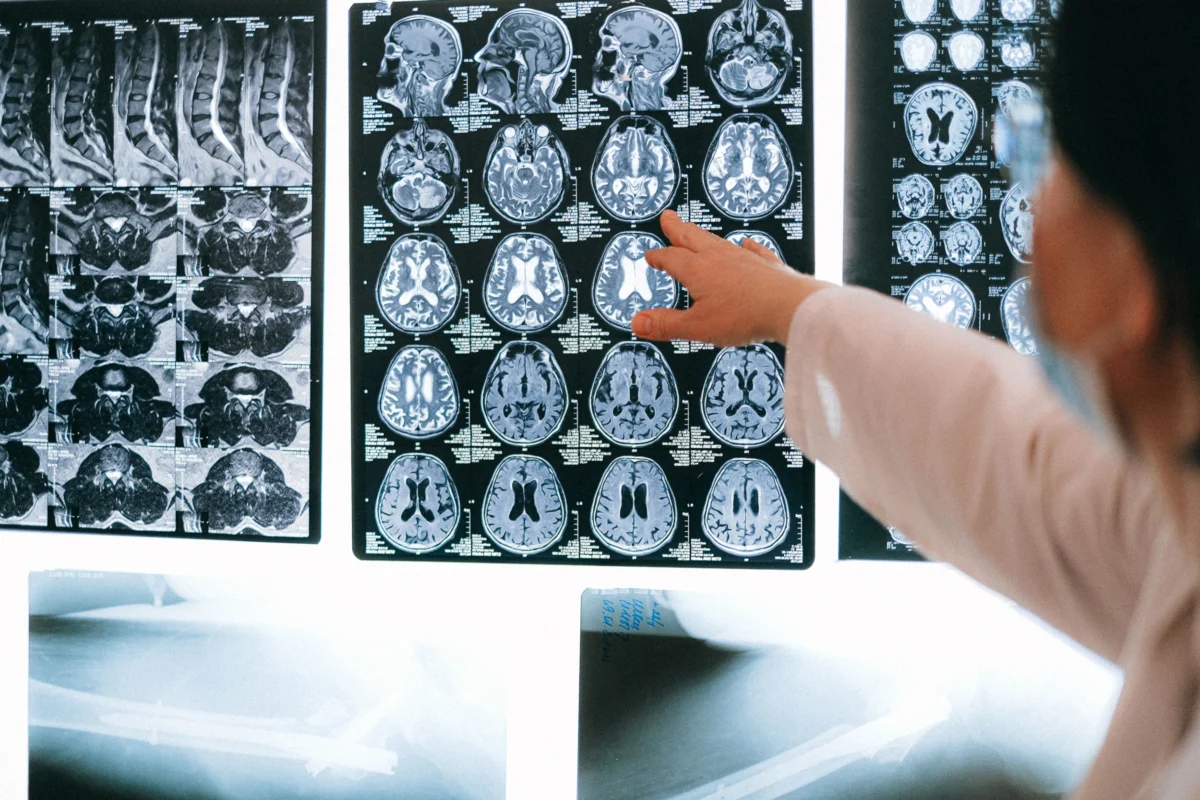
The symptoms of glioblastoma are neurological and highly variable, depending on the specific location of the tumor within the brain. These can include persistent headaches, new onset of seizures, progressive neurological deficits such as weakness or numbness in limbs, changes in vision or speech, cognitive or personality alterations, and difficulty with balance or coordination. Any new or worsening neurological symptoms warrant urgent medical evaluation, with a brain MRI being the primary diagnostic imaging tool when glioblastoma is suspected.
For patients and their families, proactive engagement is key. This includes seeking care at comprehensive cancer centers or academic medical institutions known for their expertise in neuro-oncology, actively participating in discussions about treatment options and clinical trials, and thoroughly understanding the potential benefits and risks of any proposed therapy. Gathering information from reputable sources such as the National Brain Tumor Society and the American Brain Tumor Association can provide invaluable support and guidance.
The financial and logistical burdens associated with clinical trial participation can be substantial, encompassing travel, accommodation, and time away from work. These costs pose significant barriers for rural and lower-income patients. Many cancer centers offer patient navigator programs designed to assist with travel coordination and financial support. Patients are encouraged to inquire about these services. Furthermore, organizations like the National Brain Tumor Society and the American Brain Tumor Association provide direct patient support, including assistance with clinical trial navigation and overcoming insurance-related obstacles.
The pathway forward involves both scientific advancement and systemic change. UT Southwestern’s research represents a significant step in understanding glioblastoma’s resistance mechanisms, and if confirmed in human trials, could redefine treatment protocols. However, the development and implementation of such trials will take years. Simultaneously, addressing the rural access gap requires multifaceted solutions. Telehealth consultations in neuro-oncology, collaborative networks between community hospitals and major cancer centers, and robust travel assistance programs are being explored and implemented at various scales. The critical question remains whether these efforts will be sufficient to reach patients in the most geographically isolated and underserved communities.
In conclusion, the preclinical findings from UT Southwestern offer a promising avenue for enhancing glioblastoma treatment by sensitizing tumors to chemotherapy. This potential advancement underscores the imperative of ensuring equitable access to cutting-edge medical care. As glioblastoma research progresses, closing the persistent gap between the specialized care available at leading institutions and the practical reach for patients in rural and underserved areas is not merely a logistical challenge; it is a fundamental matter of health equity.
