
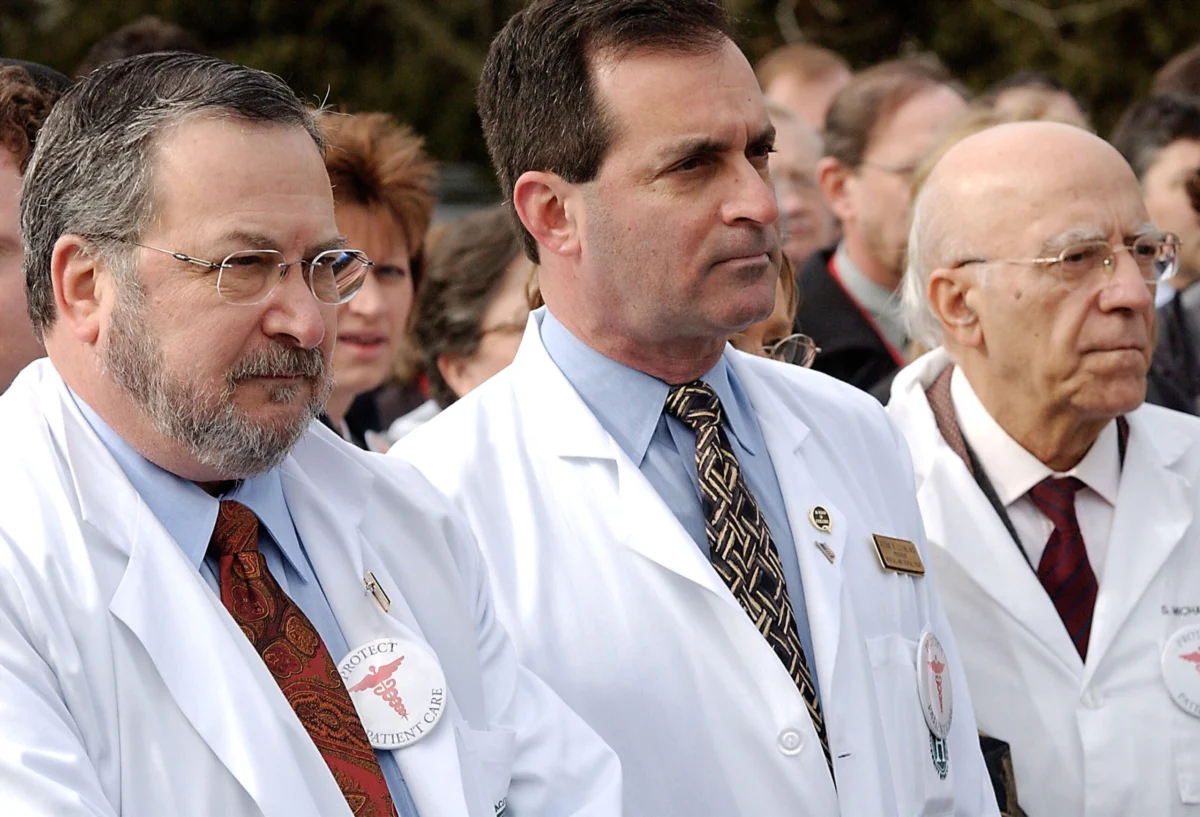
"Patients should not worry about their upcoming appointments being canceled due to the recent union organizing efforts by UC attending physicians. The process of organizing is distinct from striking and involves a lengthy series of steps that do not immediately disrupt patient care."
The University of California (UC) system, a cornerstone of medical education and patient care in the state, is currently navigating a significant development in its workforce dynamics. Approximately 10,000 attending physicians across the UC system have initiated a union drive, a move that has understandably sparked questions among the patients they serve. While headlines might suggest potential disruptions, a closer examination of the process reveals that patient appointments are not at immediate risk. Understanding the distinct stages of unionization – from organizing and authorization gathering to formal recognition and contract negotiations – is crucial for dispelling anxieties and clarifying the current reality for both physicians and the patients entrusting them with their health. This initiative, connected to a broader national movement under SEIU Doctors United, signifies a growing trend of physicians seeking collective bargaining power to address professional concerns.
The current phase of the UC attending physicians’ initiative is focused on internal organization and building support. In late July, this campaign was formally announced, marking the beginning of a deliberate process. Organizers are engaging in discussions with colleagues across various UC campuses, aiming to garner sufficient authorization signatures. These signatures are a prerequisite for formally petitioning for the right to bargain collectively. The ultimate goals of recognition and contract negotiations are still in the future, separated by a considerable timeline. It is imperative to understand that at this juncture, no bargaining unit has been officially recognized, no contract talks have commenced, and no job actions, such as strikes, have been proposed or planned.
The timing of this launch is also noteworthy, as it follows a recent tentative agreement reached by UC resident and fellow physicians, who are represented by the Committee of Interns and Residents. This development has provided a recent precedent and potentially a framework for ongoing discussions within the UC system regarding physician representation and collective bargaining. UC has publicly acknowledged this tentative agreement, indicating a willingness to engage with physician representation.
The Distinctions Between Union Organizing and a Strike
The crucial differentiator between a union drive and a work stoppage lies in the sequential nature of the labor organizing process. Several distinct steps must be navigated, each requiring a minimum of several months to complete. The initial phase involves physicians demonstrating sufficient collective support to formally petition for union recognition. Following this, a bargaining unit must be clearly defined and officially certified by the relevant labor relations board. Only after these foundational steps are successfully completed can formal bargaining begin.
Contract negotiations themselves are a lengthy and complex undertaking, often spanning a year or even longer. A strike, if it materializes at all, is typically a last resort, occurring only after negotiations have reached an impasse, meaning both parties are unable to find common ground. It is important to note that the vast majority of collective bargaining processes conclude without resorting to a strike.
The timeline experienced by UC resident and fellow physicians offers a practical illustration of this process. Their journey to unionization began in 2017. Their initial contract expired in mid-2025, and an extension was negotiated for a year while discussions continued. During this period of extended negotiation, the union organized what they termed "unity breaks," which were essentially press events held outside 17 different hospitals over a ten-day span in June. These were carefully orchestrated demonstrations held outside the hospital buildings, not walkouts, and critically, patient care continued uninterrupted throughout these events.
Physicians operate under a unique set of constraints that differentiate them from many other professions. Chief among these are the ethical and legal obligations of patient abandonment, mandated by medical licensing boards and professional ethics. These responsibilities necessitate that any physician job action must be meticulously structured to ensure continuous patient coverage. This inherent requirement is a primary reason why physician strikes are exceptionally rare, and when they do occur, they are typically brief and communicated well in advance to allow for comprehensive coverage arrangements.
Clarifying Past Labor Actions at UC Health Systems
A significant source of confusion for the public often stems from past labor actions at UC health systems that did not involve attending physicians. It is important to distinguish these events to provide clarity. The work stoppages that have occurred at UC in recent years have primarily involved unions representing service, technical, and patient-care support staff. These unions include AFSCME and UPTE, which represent a wide array of essential personnel such as hospital and pharmacy technicians, medical assistants, custodians, shuttle drivers, and food service workers. The sheer size of these bargaining units means that their strikes have often garnered significant media attention.
During these past strikes, UC health systems, such as UCSF, proactively communicated their operational status. For instance, UCSF stated that they anticipated operations to remain close to normal during such events, with emergency departments and urgent care remaining fully open. Patients were consistently advised to attend all regularly scheduled appointments. Clinics proactively contacted patients whose appointments required rescheduling or conversion to telehealth, ensuring minimal disruption.
It is also worth noting a separate, smaller unit of physicians, dentists, and podiatrists employed at UC campus student health centers. This unit, comprising approximately 121 individuals represented by the Union of American Physicians and Dentists, has engaged in strike actions in the past. However, this unit’s employment is confined to student health clinics and does not include employees at UC medical centers. Therefore, their labor actions have impacted student health services rather than the broader hospital and medical center operations. When patients encounter news of a UCSF strike, it is highly probable that it pertains to one of these groups of employees, not the attending physicians who have recently initiated an organizing campaign.
Legal Frameworks Governing Job Actions and Patient Notification
The legal landscape governing labor relations for healthcare professionals varies depending on the employer’s status. This distinction has a direct impact on the notification procedures provided to patients. The University of California, as a public employer, operates under California state law. Its labor relations are overseen by the state’s Public Employment Relations Board (PERB), rather than the federal National Labor Relations Board (NLRB). In contrast, private hospitals fall under federal labor law, which mandates that unions at healthcare institutions provide advance written notice before initiating a strike. This advance notice is specifically designed to allow healthcare facilities to arrange for continuous patient coverage and to inform affected patients.
Regardless of whether the employer is public or private, the practical outcome is consistent: hospitals receive advance notification of potential labor actions. This notice enables them to implement contingency plans. This is precisely why institutions like UCSF have been able to publish public notices, arrange for replacement staff, and directly contact affected patients prior to any actual work stoppage, rather than on the day it occurs. For patients, this means that any genuine disruption to their care is typically accompanied by advance warning through official communication channels, rather than arriving as an unexpected surprise on the day of an appointment.
Navigating Potential Disruptions: What Patients Should Monitor
For patients, staying informed about potential disruptions requires a straightforward and largely passive approach. The most reliable signal of an impending disruption affecting your care is direct communication from your clinic. Health systems are obligated to notify affected patients individually through various channels, including phone calls, secure patient portal messages, or email. These direct communications are the definitive indicators, and news reports alone should not be relied upon as a primary source of notification.
Proactive patients can also monitor the health system’s official newsroom or dedicated patient notices page. These sections of a health system’s website typically provide operational updates during periods of labor actions. Crucially, maintaining current contact information and ensuring access to your patient portal is paramount, as these are the primary means by which notification will reach you.
Should a disruption be officially announced, and your scheduled appointment falls within the affected timeframe, the recommended course of action is to contact your clinic directly. It is advisable to inquire about three key points: whether your specific appointment is impacted, whether a telehealth option is available, and if not, how soon you can be rescheduled. It is also prudent to address prescription refills separately, as these are often managed by different administrative staff and may have their own protocols during labor actions.
It is important to reiterate that emergency departments and urgent care facilities remain operational during any labor action. In the event of a genuine medical emergency, patients should proceed to these facilities without delay, regardless of any labor-related news they may have encountered.
Patients should never postpone urgent medical care, skip essential medications, or delay time-sensitive procedures based on news reports about labor disputes. If a scheduled procedure is rescheduled and the delay raises clinical concerns, patients should communicate these concerns directly to the physician’s office. The urgency of a medical condition is a significant factor that influences rescheduling priority.
The confirmed reality is that approximately 10,000 UC attending physicians have embarked on an organizing campaign, currently in the authorization-gathering phase. In the near term, no patients are directly affected, and patient care continues unchanged. The most reasonable course of action for patients is to ensure their contact details are up-to-date, thereby guaranteeing that any necessary notifications will reach them promptly. The central uncertainty moving forward revolves around whether the organizing campaign successfully secures formal recognition and the duration of any subsequent bargaining process. The next anticipated development in this process will be the organizers’ decision on whether to formally file for recognition.
