
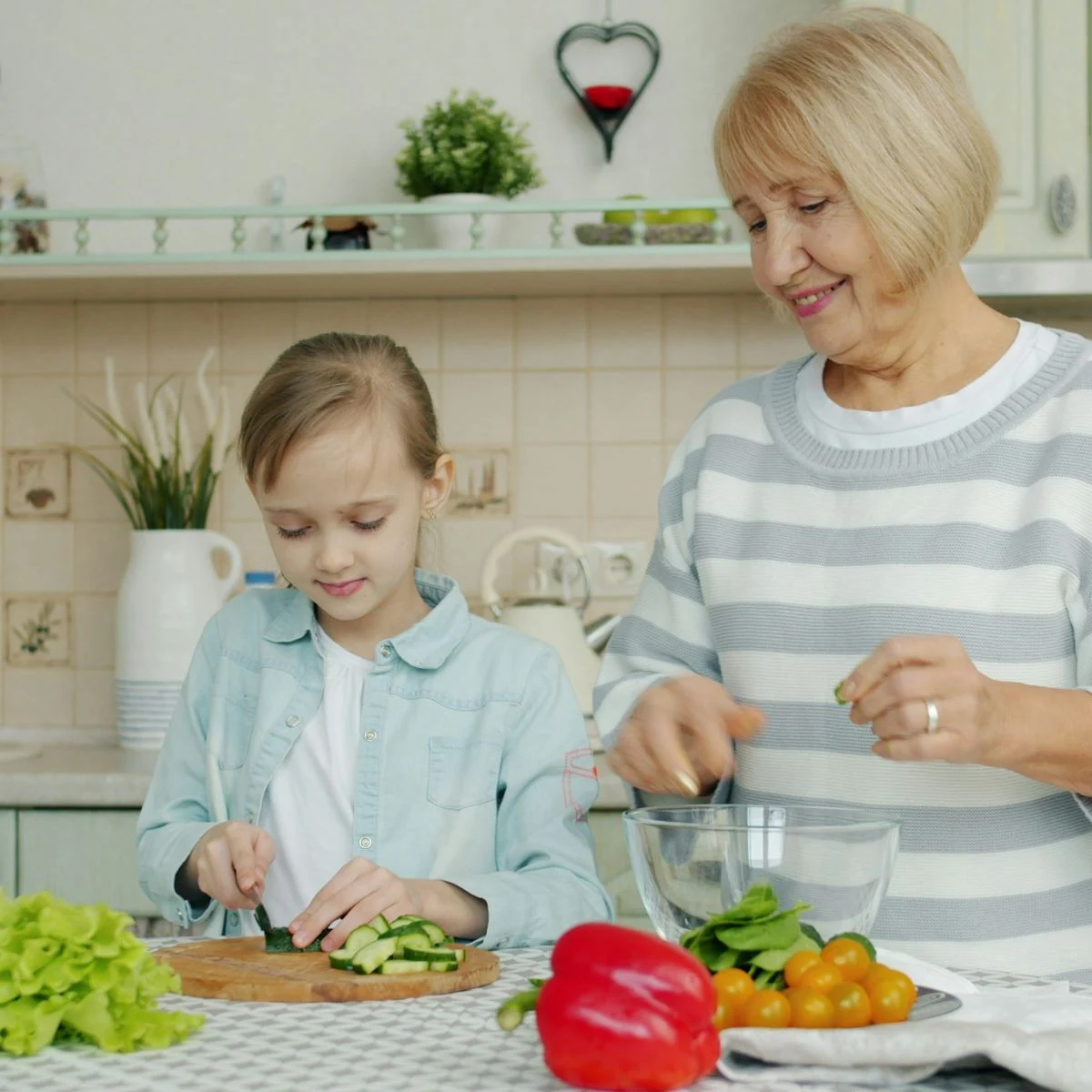
"The federal government’s foray into cooking television offers a nuanced approach to public health, promising to demystify healthy eating while acknowledging the significant gap between changing attitudes and measurable clinical outcomes."
The recent launch of "The Real Food Show" by the U.S. Department of Health and Human Services (HHS) marks a novel initiative to translate federal dietary guidelines into practical, home-based culinary practices. While supporters herald the program as a vital tool for empowering Americans to make healthier food choices, a deeper examination of the existing research reveals a more complex reality. The effectiveness of such media-driven interventions hinges on a careful understanding of what culinary education can realistically achieve, particularly when compared to more intensive, hands-on approaches. The program’s design, emphasizing whole ingredients, accessible preparation, child-friendliness, and affordability, strategically targets common barriers to healthy eating. However, the scientific literature suggests that while these efforts may influence attitudes and self-reported behaviors, their impact on hard clinical endpoints is less certain and often requires more comprehensive strategies.
The federal government’s entry into the culinary television space with "The Real Food Show" represents a significant effort to bridge the gap between abstract dietary recommendations and the daily reality of meal preparation for American households. Announced by Health and Human Services Secretary Robert F. Kennedy Jr. on July 30th at Fort Drum, New York, the series aims to demystify the updated Dietary Guidelines for Americans by presenting them in an accessible, actionable format. The inaugural episode, featuring Chef Andrew Gruel demonstrating the preparation of salmon cakes and a salad, exemplifies the program’s commitment to showcasing appealing and achievable meals. This approach is not merely anecdotal; the program’s design choices are explicitly informed by factors that research has identified as critical for successful nutrition education. These include prioritizing whole-food ingredients, ensuring recipes can be executed in a standard home kitchen, facilitating preparation alongside children, and striving for a cost of under $5 per serving. This deliberately low-barrier format acknowledges that overcoming practical obstacles is often the key determinant of whether nutrition advice is adopted.
To gauge the potential impact of such an initiative, it is crucial to consult the existing body of research on culinary interventions. A pivotal 2019 systematic review and evidence map published in BMC Nutrition by a Mayo Clinic research team provides a robust benchmark. This comprehensive study pooled data from 30 distinct culinary intervention studies, encompassing a total of 7,381 participants and including six randomized controlled trials. The average follow-up period across these studies was 25 weeks. The findings of this meta-analysis offered a clear, bifurcated picture. On the behavioral and attitudinal fronts, cooking interventions demonstrated significant success. Participants reported improved attitudes towards healthy eating, increased self-efficacy in preparing nutritious meals, and healthier dietary intake, with these positive changes observed in both adult and child cohorts.
However, when examining hard clinical endpoints, the results were far less conclusive. A pooled analysis within the same review revealed no statistically significant change in body mass index (BMI) among participants. The reported difference in BMI was a marginal 0.07 kg/m², with a confidence interval that spanned from a 1.53 lower to a 1.40 higher value, indicating a high degree of uncertainty and the strong possibility of no real effect. Similarly, key health markers such as systolic blood pressure, diastolic blood pressure, and LDL cholesterol displayed a consistent pattern: point estimates suggested a favorable direction of change, but the confidence intervals were broad enough to encompass the possibility of no effect whatsoever.
It is critical to interpret these findings accurately. This outcome does not signify a failure of cooking education itself. Instead, it highlights a fundamental distinction: influencing attitudes, knowledge, and self-reported behaviors is demonstrably more achievable within the typical timeframes of such studies than is the direct modification of objective physiological measurements. The effort required to shift a physician’s measured outcome, like blood pressure or cholesterol levels, appears to be substantially greater than that needed to alter dietary perceptions or habits.
Furthermore, the Mayo Clinic review yielded an additional insight directly relevant to the design and potential efficacy of media-based series like "The Real Food Show." Interventions that integrated cooking instruction with other health-related components, such as formal nutrition education, physical activity programs, or gardening initiatives, were found to be more effective than those that focused solely on cooking skills. This suggests that a multi-faceted approach, addressing various dimensions of health and lifestyle, may yield more substantial and sustainable results.
While "The Real Food Show" is a laudable endeavor, it is important to acknowledge a specific gap between the existing evidence base and the format of this new federal initiative. The vast majority of studies reviewed in the Mayo Clinic meta-analysis involved hands-on cooking classes. These are environments where participants actively engage in the physical process of food preparation – chopping, stirring, tasting – and often leave with a tangible, freshly prepared dish. A video series, by its very nature, represents a different type of intervention. Viewers are passive recipients of information, observing rather than actively participating.
The scientific literature specifically examining the impact of televised or streamed cooking programs is considerably thinner than that for in-person classes. For instance, a study published in the Journal of Nutrition Education and Behavior evaluated a television cooking show targeted at college students living off-campus. Other research has explored whether exposure to cooking programs influences children’s food choices, with some experimental studies investigating ingredient selection and actual food intake after viewing. While these studies exist, there has not been a large-scale, pooled analysis of televised or streamed cooking programs comparable to the extensive review of culinary classes. This lack of comprehensive data means that the precise effectiveness of a video format in driving meaningful dietary change remains less well-defined.
A crucial distinction emerging from the food media literature is that not all cooking content inherently equates to nutrition education. A published analysis of recipes featured by British celebrity chefs, for example, raised public health concerns regarding their nutritional adequacy. This underscores the vital point that the content of what is being cooked is paramount. A program can present recipes, but whether those recipes align with sound nutritional principles determines its value as a public health tool. In this regard, the stated criteria for "The Real Food Show" – emphasizing whole ingredients, home equipment suitability, and cost-effectiveness – appear to align with nutritional objectives rather than mere entertainment. These constraints are precisely what can differentiate a health-focused program from one driven solely by culinary appeal.
The underlying rationale for any initiative that promotes home cooking stems from the consistently observed correlation between preparing meals at home and adopting healthier dietary patterns. Numerous studies have documented this association. Individuals who frequently eat home-prepared meals tend to adhere more closely to established healthy dietary patterns, such as the DASH (Dietary Approaches to Stop Hypertension) and Mediterranean diets. They also tend to consume greater quantities of fruits and vegetables and exhibit higher plasma vitamin C levels. The Seattle Obesity Study, for instance, found a strong association between frequent at-home cooking and higher Healthy Eating Index scores, alongside lower per capita food expenditures.
However, the interpretive challenge lies in establishing causality. Cross-sectional data, which captures information at a single point in time, cannot definitively determine whether cooking at home causes better dietary habits or whether individuals who already prioritize diet quality are simply more inclined to cook at home. A complex interplay of factors, including time availability, access to adequate kitchen facilities, income levels, work schedules, and the availability of healthy food options in one’s environment, independently influences both the frequency of home cooking and the quality of one’s diet. As the authors of the Mayo Clinic review noted, the social determinants of home cooking are multifaceted and extend well beyond the scope of what any single educational program, whether in-person or televised, can directly address.
This nuanced understanding of the evidence provides a realistic framework for evaluating the potential impact of "The Real Food Show." The program can effectively address knowledge gaps, enhance culinary skills, and bolster confidence in food preparation. However, it cannot, by itself, overcome systemic barriers such as demanding work schedules, inadequate housing with non-functional kitchens, or a lack of accessible, affordable grocery stores in certain neighborhoods. These broader social and economic determinants of health play a significant role that transcends individual cooking habits.
From a household perspective, the practical question of whether to engage with "The Real Food Show" should be framed not by the political affiliation of its proponents but by its practical utility within the constraints of their own kitchens. The existing evidence supports a modest but specific claim: structured cooking instruction can indeed improve confidence and self-reported dietary quality. Crucially, confidence is a key psychological driver that often determines whether an individual will repeat a behavior, such as cooking at home, in the future. Therefore, households that find the program’s format useful are not being unreasonable in their engagement. Conversely, individuals who expect such a program to dramatically alter their cholesterol levels should first consult the pooled data from comprehensive reviews, which suggest that such direct clinical impacts are not consistently achieved through this type of intervention alone.
For individuals managing specific medical conditions, a general-audience cooking program, regardless of its origin, is not a substitute for professional medical nutrition therapy. Medicare Part B provides coverage for medical nutrition therapy for individuals with diabetes or kidney disease. Furthermore, many commercial health insurance plans offer coverage for consultations with registered dietitians, whose expertise is individualized to a degree that no broadcast program can replicate. Accessing these services typically requires a referral from a primary care clinician.
Households seeking to reduce their food expenses through home cooking have a range of established resources available that predate the current federal initiative. The Supplemental Nutrition Assistance Program for Education (SNAP-Ed) offers free nutrition education through state-level programs. The Special Supplemental Nutrition Program for Women, Infants, and Children (WIC) provides both nutrition counseling and essential benefits. Many local cooperative extension offices also offer free cooking classes, a format that aligns with the strongest evidence base for culinary interventions.
The ultimate success of "The Real Food Show" will depend on whether its reach and impact are rigorously measured. The announcement of the program did not specify any plans for evaluation. Collecting data on viewership numbers and conducting any form of before-and-after assessment of dietary behaviors among viewers would provide crucial evidence to distinguish this initiative from previous federal nutrition campaigns. MedicalDaily will report on any published evaluation results that emerge from this program.
Frequently Asked Questions
What is The Real Food Show?
"The Real Food Show" is a new cooking series launched by the U.S. Department of Health and Human Services (HHS) on July 30, 2026. Its primary objective is to translate the updated Dietary Guidelines for Americans into practical recipes for home cooking, featuring culinary professionals alongside the Health and Human Services Secretary.
Does cooking education influence how people eat?
Yes, a comprehensive analysis of 30 studies indicates that culinary interventions are associated with improvements in attitudes toward healthy eating, increased self-efficacy, and enhanced self-reported dietary intake among both adults and children.
Does it impact health measurements?
The same extensive analysis found no statistically significant impact on key clinical health markers such as body mass index (BMI), blood pressure, or LDL cholesterol. The confidence intervals for these measures were broad, indicating that no effect is a plausible outcome.
Is a video series equivalent to a hands-on cooking class?
No, they are distinct. The majority of research supporting culinary interventions involved hands-on classes where participants actively cook. The evidence base specifically for the effectiveness of televised or streamed cooking programs is considerably less developed.
Do cooking shows consistently promote healthy food?
Not automatically. Research analyzing recipes from popular celebrity chefs has identified potential nutritional concerns. Therefore, the actual nutritional quality of the recipes presented is a more critical factor than the format of the program itself.
Why is home cooking associated with better diets?
Individuals who frequently prepare meals at home tend to exhibit higher scores on various diet quality indices. However, existing cross-sectional data cannot definitively establish whether home cooking leads to better diets or if people who already prioritize healthy eating are simply more likely to cook at home.
What is the recommended approach for managing specific medical conditions?
For individuals with specific medical conditions, medical nutrition therapy provided by a registered dietitian is the recommended course of action. Medicare Part B covers this therapy for diabetes and kidney disease, and many private insurance plans also offer coverage with a physician’s referral.
