
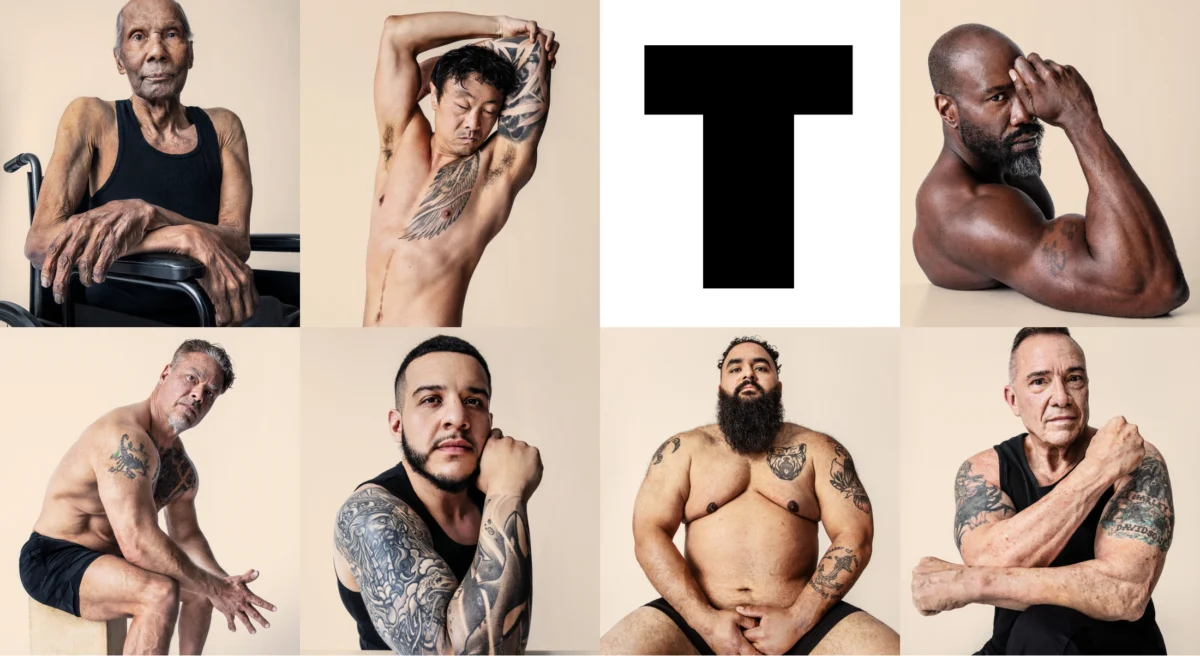
"Once a whispered secret of the bodybuilding underground, testosterone has been rebranded as an essential tool for ‘optimization,’ reflecting a cultural shift where hormone levels are increasingly viewed as a metric of both vitality and modern masculinity."

In the span of a single decade, testosterone replacement therapy (TRT) has moved from the fringes of athletic doping scandals to the center of a multibillion-dollar wellness industry. This transition represents more than just a medical trend; it is a fundamental realignment of how men view aging, performance, and their own biology. As telehealth platforms lower the barriers to entry and a new wave of "longevity influencers" promotes hormonal health as a cornerstone of the "optimized" life, millions of American men are seeking to reclaim the physiological peak of their youth. However, this surge in interest brings with it a complex web of medical, social, and political implications, as the line between treating a clinical deficiency and enhancing a healthy individual becomes increasingly blurred.

Ten years ago, a man turning 40 who requested a testosterone check was often met with skepticism or outright refusal by the medical establishment. At that time, the prevailing clinical view was shaped by concerns over cardiovascular risks and prostate cancer. In 2013, research suggested a link between TRT and adverse cardiac events, leading the FDA to issue safety communications and mandate label changes in 2015 that warned of potential heart attacks and strokes. For the average man, testosterone was shrouded in privacy, associated either with the "manosphere" or with the "juiced" physiques of professional bodybuilders and baseball players caught in the crosshairs of PED investigations.

Today, that landscape has been entirely transformed. According to a comprehensive survey of 2,191 American men conducted by Men’s Health and SurveyMonkey, 70 percent of U.S. men now consider their testosterone levels a priority. The stigma that once equated TRT with "cheating" has largely evaporated; 70 percent of respondents stated that finding out an athlete uses TRT would not negatively impact their opinion of them. This shift is particularly pronounced among younger generations. Half of Gen Z men believe that higher testosterone levels are directly linked to physical attractiveness, a belief that has fueled the "T-maxxing" trend on social media, where young men attempt to boost their levels through everything from red-light therapy to clinical interventions.

The historical roots of testosterone synthesis date back to the 1930s, when German and Swiss chemists first achieved the chemical synthesis of the hormone. By the 1950s, synthetic versions like testosterone cypionate were available for treating hypogonadism. However, the discovery of its anabolic potential led to its widespread use in bodybuilding and professional sports, eventually resulting in its classification as a Schedule III controlled substance in 1990. This placed testosterone in the same regulatory category as ketamine and opioids, a designation that many modern advocates, including former FDA officials, are now beginning to challenge.

The current "T-boom" was catalyzed by the convergence of three factors: the COVID-19 telemedicine explosion, the rise of the "optimization" culture, and a new body of scientific evidence that has debunked many long-held fears. The 2023 TRAVERSE study (Testosterone Replacement Therapy for Assessment of Long-term Vascular Events and Efficacy Response in Hypogonadal Men), published in The New England Journal of Medicine, provided the most robust evidence to date that TRT does not increase the risk of major adverse cardiac events or prostate cancer in men with low levels.

This scientific vindication has emboldened a squad of high-profile proponents. From podcasters like Joe Rogan and Andrew Huberman to political figures like RFK Jr., the conversation around TRT has moved into the mainstream. RFK Jr. has openly discussed his use of "bioidentical" TRT as part of an anti-aging protocol, and even high-ranking officials in the current administration have signaled a desire to expand access. Secretary of Defense Pete Hegseth recently announced plans to screen all troops for low testosterone, aiming for what he termed a "High-T Department of War," while others at the FDA have suggested fast-tracking testosterone use alongside GLP-1 weight-loss medications to prevent muscle loss and frailty.

The market reflects this surging demand. The global TRT market is projected to grow from $2.03 billion in 2024 to $2.7 billion by 2033. Telehealth clinics such as Hone Health, Maximus, and PeterMD have streamlined the process, offering home delivery and "faith-centered" care, respectively. These platforms often market TRT not just as a treatment for medical hypogonadism, but as a solution for "brain fog," "sinking confidence," and the general malaise of middle age. For many men, the appeal is not necessarily to become "superhuman," but to regain a sense of normalcy—addressing the fatigue, insomnia, and loss of drive that they previously accepted as the inevitable tax of aging.

However, the survey data reveals a significant divide in how men perceive the risks and benefits of the hormone. While 54 percent of men believe high testosterone will help them live longer, those who get their information from influencers and podcasts are significantly more likely to hold this belief than those who consult medical professionals. Furthermore, while awareness of "Low T" symptoms like low libido and muscle loss is high, awareness of the risks of "High T"—including infertility, liver problems, and hair loss—remains relatively low.

The demographic data also highlights cultural nuances. Importance of testosterone levels varies significantly by ethnicity, with 83 percent of Black men and 78 percent of Hispanic men considering it important, compared to 66 percent of White men. Across the board, 49 percent of men believe their testosterone level is a direct measure of their masculinity. This psychological link suggests that for many, TRT is a form of gender-affirming care, helping them align their physical reality with their internal sense of what it means to be a man.

Despite the enthusiasm, some public health experts urge caution. Lyndon Haviland, DrPH, of the CUNY Graduate School of Public Health, warns that the "black and white" marketing of TRT often ignores the "gray areas" of health. She notes that while testosterone may improve energy, it is not a panacea for systemic issues like diabetes, hypertension, or underlying mental health conditions. There is a risk that men may use TRT as a shortcut, neglecting the lifestyle interventions—sleep, diet, and exercise—that are fundamental to long-term health.

Nevertheless, the momentum toward broader acceptance seems unstoppable. The FDA recently assembled a panel to discuss revising guidelines for age-related testosterone deficiency, with some experts challenging the hormone’s status as a controlled substance. The argument is that the barrier of "scheduling" may be preventing men from accessing a therapy that maintains bone mineral density and prevents osteoporosis and frailty.

As the "Make America Healthy Again" (MAHA) agenda gains traction, the role of testosterone in public health is likely to remain a focal point of debate. For the individual man, the decision to pursue TRT is increasingly seen as a proactive step in a personal "longevity protocol" rather than a shameful admission of decline. The goal for many is to reach the summit of middle age and, rather than heading "over the hill," using modern medicine to pause and enjoy the view.

Ultimately, the great testosterone resurgence reflects a broader cultural desire for agency over the aging process. While the long-term implications of a "high-T" society remain to be seen, the shift from stigma to optimization suggests that for the modern man, biology is no longer destiny—it is a variable to be managed, measured, and, if necessary, replaced. Whether through "natty" pride or clinical intervention, the search for vitality continues, now backed by a billion-dollar industry and a growing body of science that suggests that for those running on fumes, a change of course might be worth the shot.
