
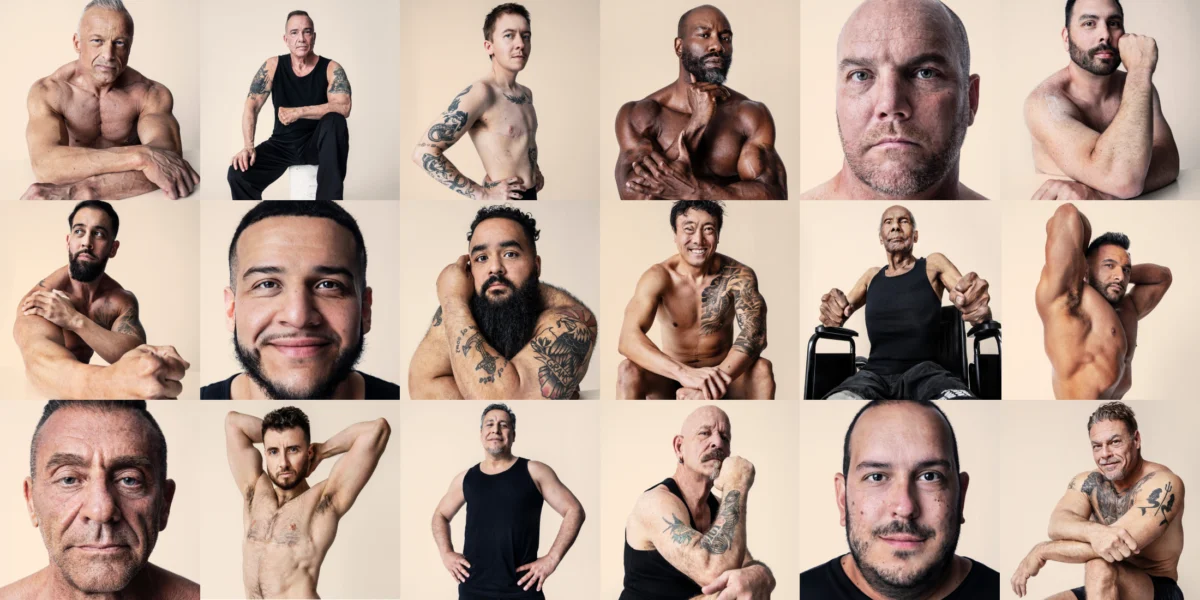
"Testosterone therapy is no longer a niche pursuit for the hyper-masculine; it has evolved into a diverse medical tool used to reclaim vitality, identity, and health across every decade of adult life."

The modern landscape of hormone optimization is undergoing a radical transformation, shifting away from the stigmatized "steroid" culture of the past toward a nuanced understanding of endocrine health. As society enters what many call the "T-optimizing era," the clinical application of testosterone has expanded to address a wide array of needs, from life-saving replacement therapy for cancer survivors to gender-affirming care and the management of age-related cognitive decline.

The Evolution of the Testosterone Narrative
For decades, the public image of testosterone was inextricably linked to the "gym rat"—a man with exaggerated musculature and a single-minded focus on physical dominance. However, a recent survey and photographic study conducted by Men’s Health involving 22 individuals on testosterone therapy reveals a much more complex reality. The participants, ranging in age from 26 to 82 and spanning various professional and personal backgrounds, demonstrate that the "typical" user of testosterone no longer exists.

The shift in perception is partly due to the increasing transparency surrounding Testosterone Replacement Therapy (TRT). What was once discussed in hushed tones in locker rooms is now a mainstream medical conversation. This evolution is driven by a growing body of research suggesting that maintaining optimal hormone levels is critical not just for muscle mass, but for cardiovascular health, bone density, metabolic function, and mental well-being.

A Spectrum of Necessity: From Survivors to Seekers
The motivations for beginning testosterone therapy are as varied as the individuals themselves. Among the 22 people profiled, the reasons for seeking treatment fall into several distinct categories, each highlighting a different facet of the hormone’s impact on the human body.

Medical Recovery and Survivorship
For some, testosterone is not a choice but a biological necessity. Testicular cancer survivors, such as Scott Percy, 34, often find themselves in a state of clinical hypogonadism following surgery or chemotherapy. For these individuals, TRT is a foundational element of their recovery, allowing their bodies to maintain basic physiological functions that were compromised by illness. In this context, the hormone acts as a restorative force, bridging the gap between a state of deficiency and a return to "normalcy."

Gender-Affirming Care
The role of testosterone in the lives of transgender individuals is perhaps its most transformative application. For people like Summer Henderson, 26, and Bari Glassman, 35, testosterone is a tool for self-actualization. It facilitates a physical transition that aligns their outward appearance with their internal identity, providing a sense of freedom and authenticity that is often described as life-saving. In these cases, the hormone serves a profound psychological and social purpose, moving far beyond the realm of physical performance.

Combatting the "Silent Decline"
A significant portion of the testosterone-using population consists of men in their 30s, 40s, and 50s who have begun to experience the "silent decline" of aging. This demographic includes individuals like Rocco Buccheri, 42, and Jason Holmes, 51. These men often present with symptoms that are frequently dismissed as inevitable consequences of getting older: chronic fatigue, "brain fog," loss of libido, and a general sense of listlessness. For them, TRT is a means of reclaiming the energy and mental clarity they possessed in their youth, allowing them to remain engaged in their careers and family lives.

The Science of Vitality: How Testosterone Works
To understand why such a diverse group of people seeks this treatment, one must understand the pervasive influence of testosterone on the body. Testosterone is an androgenic-anabolic steroid hormone produced primarily in the testes in men and the ovaries in women, with small amounts also produced by the adrenal glands.

Its "anabolic" effects include the growth of muscle mass and strength, as well as the increase of bone density. Its "androgenic" effects include the maturation of sex organs and the development of secondary sex characteristics. However, the hormone’s reach extends to the brain, where it influences mood-regulating neurotransmitters. When levels drop below the physiological threshold, the results can be devastating, leading to increased risks of osteoporosis, Type 2 diabetes, and clinical depression.

For older participants like Jacob Samuel, 82, and David Collins, 79, testosterone therapy is less about "getting jacked" and more about maintaining independence. By preserving muscle tone and bone strength, TRT can reduce the risk of falls and fractures—two of the leading causes of morbidity in the elderly.

The Modern "T-Optimizing" Era
The current era is defined by a "biohacking" and longevity movement that views hormone levels as a modifiable metric of health. This movement has been fueled by the rise of specialized clinics and telemedicine platforms that make testing and treatment more accessible than ever.

However, this accessibility brings its own set of challenges. The democratization of hormone therapy requires a high level of medical literacy and professional oversight. As the Men’s Health profiles suggest, the goal of modern TRT is not to achieve "supraphysiological" levels—the kind associated with traditional steroid abuse—but rather to reach a "high-normal" range that optimizes health without the dangerous side effects of over-supplementation.

Experts emphasize that testosterone is not a "magic bullet." For it to be effective, it must be paired with proper nutrition, resistance training, and adequate sleep. Individuals like Bryan Krahn, 53, and Antonio Garcia, 57, represent a cohort that uses TRT as one component of a holistic approach to aging gracefully and maintaining a high quality of life.

The Importance of Clinical Supervision
While the stories of these 22 individuals are largely positive, the medical community maintains a cautious stance on the rise of TRT. The "optimized" life requires a delicate balance. Improperly managed testosterone therapy can lead to a host of complications, including erythrocytosis (thickening of the blood), sleep apnea, and the suppression of natural fertility.

This is why the disclaimer accompanying these stories is so vital: TRT must be conducted under the guidance of a board-certified medical professional. Regular blood work is necessary to monitor not just testosterone levels, but also prostate-specific antigens (PSA), hematocrit levels, and estrogen conversion. The goal is a tailored approach that respects the unique biology of the patient.

A New Aesthetic of Health
Perhaps the most striking takeaway from the visual documentation of these 22 people—photographed by Cory Vanderploeg—is the absence of a singular "look." We see Michael Ayers at 64 and Michael Acosta at 33; we see residents of Arizona, Florida, and Alberta. Some are lean, some are rugged, and some look like the average person you would pass on the street.

This diversity of body types serves as a powerful rebuttal to the idea that testosterone is solely about vanity. For John Gonzalez, 35, or Yosi Soleimany, 52, the mirror is only one part of the story. The real transformation happens internally—in the restoration of confidence, the lifting of a depressive cloud, and the return of the drive to face the day’s challenges.

Conclusion: Reclaiming the Self
The stories of Charles Flanagan, Mike Kane, Burak King, and the others featured in this study highlight a fundamental shift in the human relationship with biology. We are no longer passive observers of our hormonal decline. Through the responsible use of testosterone, individuals across a vast spectrum of age and identity are finding that they can do more than just "function"—they can thrive.

As we move further into the Summer of 2026 and beyond, the conversation around testosterone will likely continue to broaden. It will move away from the fringes of bodybuilding and into the heart of preventative medicine and identity-based care. The common thread among these 22 diverse individuals is not a desire for superheroic proportions, but a much more relatable human goal: the desire to feel like themselves again, perhaps for the very first time.
