
"As new academic terms commence, nearly a million young people starting university or college in England are urged to secure their free NHS meningitis B vaccination. This crucial preventative measure, spurred by a significant outbreak in Kent, offers vital protection against a rapidly progressing and potentially devastating disease, safeguarding students entering high-risk communal living environments."
The start of a new academic year brings with it excitement, new experiences, and unfortunately, an increased risk of certain infections, particularly for those moving into shared accommodation. Among the most serious is meningitis B (MenB), a virulent strain that recently caused the UK’s largest and fastest-growing outbreak in Kent. In response, the National Health Service (NHS) in England has launched a critical campaign, offering a free MenB vaccine to nearly a million eligible young people. With almost 90,000 doses already administered and 135,000 more appointments booked, this initiative is a proactive step to protect students and prevent future outbreaks of this potentially life-threatening disease.
Understanding Meningitis B and its Vaccine
Meningitis B is caused by the bacterium Neisseria meningitidis serogroup B, which can lead to severe and rapid inflammation of the protective membranes surrounding the brain and spinal cord (meningitis), or a life-threatening blood poisoning (septicaemia). These conditions can progress extremely quickly, often within hours, and can result in devastating long-term consequences such as hearing loss, brain damage, limb amputation, or even death. The urgency of this vaccination campaign stems from the rapid onset and severe nature of the illness.

The MenB vaccine, known commercially as Bexsero or Trumenba, is a non-live vaccine. This means it does not contain any live bacteria and therefore cannot cause meningitis itself. Instead, it works by introducing fragments of the MenB bacteria’s outer membrane proteins to the immune system. This allows the body to develop antibodies and build protection without experiencing the disease, preparing it to fight off a real infection if exposed.
Like all vaccines, the MenB jab can cause some common, mild side effects. These typically include temporary swelling, redness, or tenderness at the injection site. Some individuals may also experience a mild fever, nausea, headache, or muscle aches, but these symptoms are usually short-lived, resolving within a day or two. More serious allergic reactions or side effects are exceedingly rare, underscoring the vaccine’s strong safety profile which has been rigorously tested and monitored since its introduction into routine childhood immunisation programmes.
Who is Eligible and How to Book
The current free MenB vaccination offer targets specific groups deemed to be at the highest risk. This includes 17 and 18-year-olds who are currently in sixth form, as well as students under the age of 25 who are heading to a residential college or university for the first time this autumn. To achieve the fullest protection against MenB, two doses of the vaccine are required, administered at least 28 days apart.
Eligibility extends beyond just those residing in England. International students and those from other parts of the UK (Scotland, Wales, Northern Ireland, the Channel Islands, the Isle of Man) who will be studying in England are also fully eligible. Even students travelling abroad to study can access this vital protection.

Booking your MenB vaccine is designed to be straightforward. Seventeen and 18-year-olds who are already registered with a GP can book their appointments via the NHS National Booking Service. For other eligible students, including those not yet registered with a GP, walk-in services are available at participating high street pharmacies across England. This walk-in option is particularly beneficial for new students who may not have yet registered with a local GP practice upon arrival at university. A comprehensive list of participating pharmacies can be found on the NHS website.
Why Students Face a Higher Risk
The rationale behind targeting this specific age group, particularly first-year university students, is rooted in epidemiological data and the dynamics of communal living. NHS England highlights that students in their first year of university face a risk of meningitis B infection that is approximately seven times higher than that of young people of a similar age who do not attend university.
This elevated risk is attributed to several factors inherent in the student lifestyle. Moving into halls of residence or other shared accommodation naturally increases close contact among individuals from diverse geographical backgrounds. The close quarters facilitate the rapid spread of bacteria through respiratory droplets, which can occur via everyday interactions such as coughing, sneezing, kissing, or sharing items like drinks, cigarettes, or vapes.
Furthermore, the "freshers’ flu" phenomenon, a common cluster of cold and flu-like symptoms experienced by many new students, can inadvertently mask the early, non-specific symptoms of meningitis. This can lead to delays in diagnosis and treatment, which are critical for preventing severe outcomes. The recent "unprecedented and explosive" outbreak in Kent, which saw 29 confirmed or suspected cases and two tragic deaths within weeks, served as a stark reminder of how quickly and severely MenB can spread within a concentrated young population. This campaign is a direct response to such public health concerns, aiming to build a protective barrier around the student community.

The Grave Dangers of MenB
As detailed, MenB infection can lead to meningitis, an inflammation of the meninges, and septicaemia, a severe form of blood poisoning. Both conditions are medical emergencies.
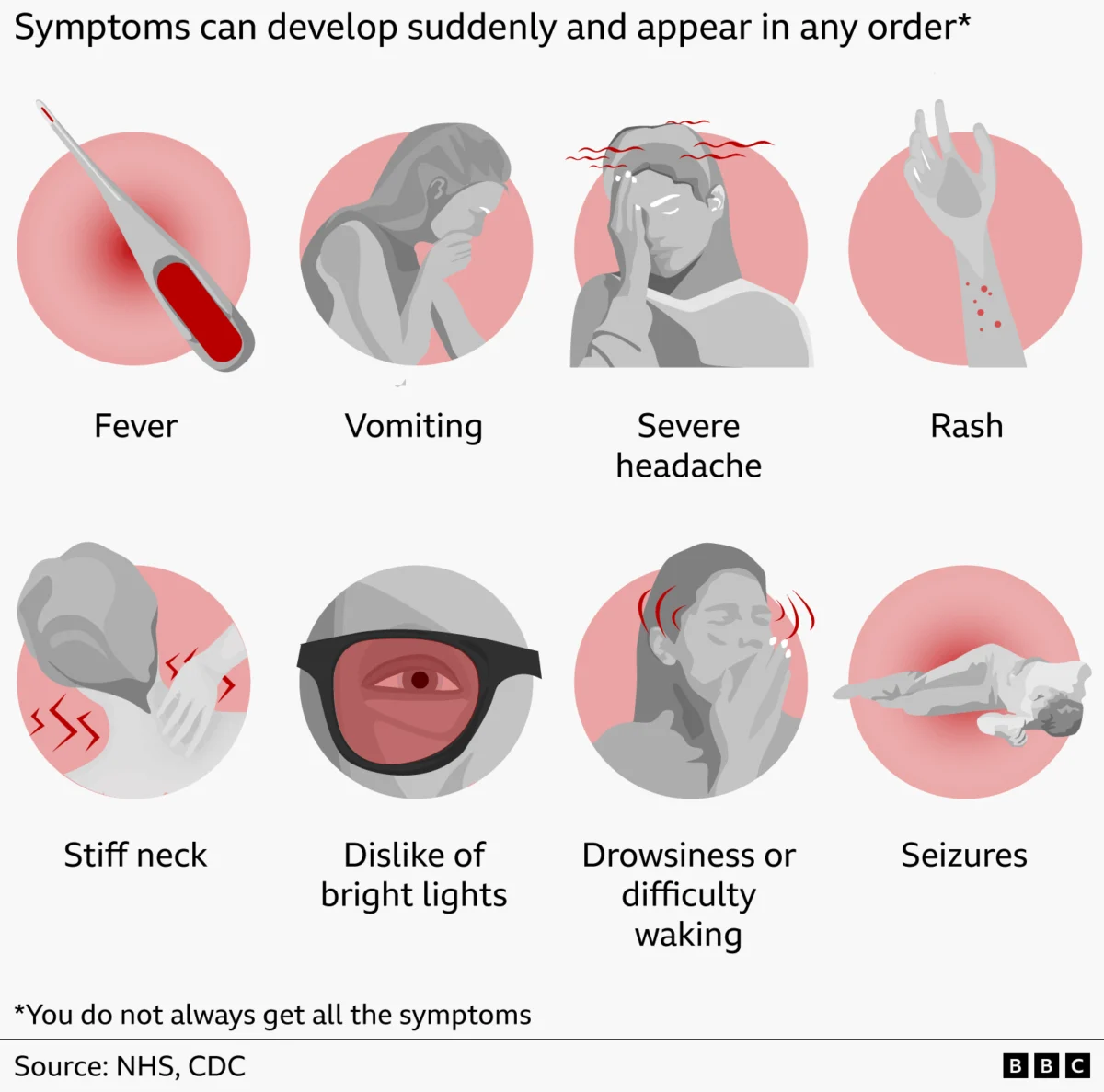
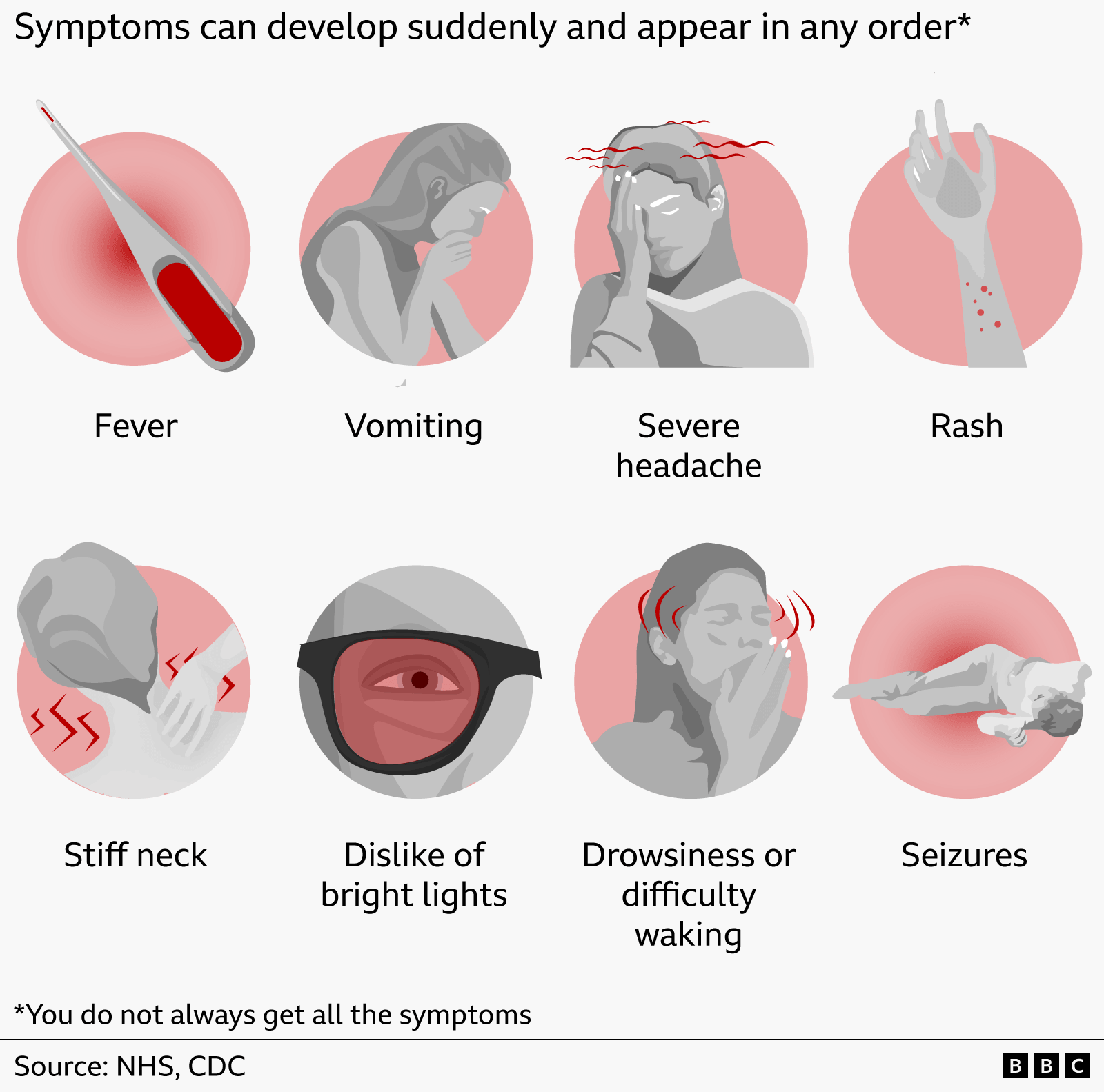
Symptoms of meningitis can appear suddenly and may include a high fever, severe headache, stiff neck, dislike of bright lights (photophobia), drowsiness, confusion, vomiting, and seizures. The characteristic rash, which does not fade when a glass is rolled over it, is a critical late-stage sign of septicaemia. It’s crucial to remember that not all symptoms may be present, and they can manifest in any order. The rapid progression of the disease means that even with prompt medical attention, one in ten cases can be fatal. Among survivors, up to one in five may experience permanent disabilities, including limb loss due (due to septicaemia-induced tissue damage), hearing impairment, epilepsy, or significant brain damage affecting learning and behaviour. Vaccination offers the most effective defence against these devastating outcomes.
The Evolution of MenB Vaccination Policy
The MenB vaccine was first incorporated into the routine NHS childhood immunisation programme for babies born on or after 1 July 2015. This decision was based on evidence that infants are the most vulnerable age group, having immature immune systems that are less equipped to fight off invasive infections. Consequently, all babies in the UK are now offered the MenB vaccine as part of their standard immunisation schedule.
However, this policy means that teenagers and young adults over the age of 11, who were born before this date, would not have received the MenB jab through the routine childhood programme. While initial research suggested the MenB vaccine might not universally prevent transmission of all strains from person to person or offer lifelong protection, the recent outbreaks have prompted a re-evaluation of its broader application.
UK vaccine experts have now recommended that the government consider routinely offering the MenB vaccine to all teenagers around the age of 15. This recommendation acknowledges the evolving understanding of the disease’s epidemiology and the potential benefits of broader adolescent vaccination. The decision to implement such a routine programme rests with ministers in each of the UK’s devolved nations, who will weigh the public health benefits against the logistical and economic implications. In the interim, this targeted campaign for students remains a vital measure to protect a highly susceptible population. Around 10,000 individuals in the Kent region had already received jabs earlier as part of the immediate response to the March outbreak, highlighting the vaccine’s importance in containment strategies.
Beyond MenB: Other Meningitis Strains
It is important to remember that meningitis can be caused by various types of viruses or bacteria. While bacterial meningitis, including MenB, is the most severe form, viral meningitis is generally milder and often resolves on its own within seven to ten days, typically managed at home with rest and symptomatic relief. Bacterial meningitis, however, always requires urgent hospital treatment with antibiotics.
The MenB vaccine specifically targets one particular strain. Currently, a separate vaccine, the MenACWY vaccine, is routinely offered to 14-year-olds in the UK. This vaccine provides protection against four other major strains of meningococcal bacteria: A, C, W, and Y. These strains also pose a significant risk, particularly to young adults and students, and it is crucial for eligible individuals to ensure they are up-to-date with all recommended immunisations. Despite vaccination efforts, outbreaks, thankfully, remain rare.

In conclusion, as a new academic chapter begins, the free NHS MenB vaccine offers a critical layer of protection for students entering a high-risk environment. Taking advantage of this offer is a simple yet powerful step towards safeguarding health and well-being, allowing students to focus on their studies and new experiences with greater peace of mind.
