

"When it’s hot the air feels different in your lungs. Your brain just starts going, ‘Something’s different – and therefore bad’ even though it’s not." This visceral experience shared by Lauren Murphy highlights how the physiological stress of extreme heat can directly trigger and intensify anxiety, creating a challenging cycle for individuals already grappling with mental health conditions.
As the United Kingdom experiences its fourth significant heatwave of the year, accompanied by widespread drought declarations across England and Wales, a growing body of research is illuminating the profound impact of rising temperatures on mental health. Beyond the immediate physical discomfort, the altered atmospheric conditions and the systemic stress of a warming planet are increasingly linked to exacerbated anxiety, agoraphobia, and a broader phenomenon known as climate anxiety, prompting urgent calls for greater awareness and support.
The summer of 2024 has brought unprecedented heat to the UK, marking the fourth significant heatwave and leading to drought declarations across vast swathes of England and all of Wales. While the physical dangers of extreme heat, such as heatstroke and dehydration, are well-documented, a less visible but equally potent threat is emerging: the severe impact of rising temperatures on mental well-being. New research, including studies from Oxford University, is underscoring a critical link between hot weather and the exacerbation of anxiety and other mental health challenges. This growing scientific consensus highlights an urgent need to consider the psychological dimension of climate change alongside its more commonly discussed physical and ecological consequences.
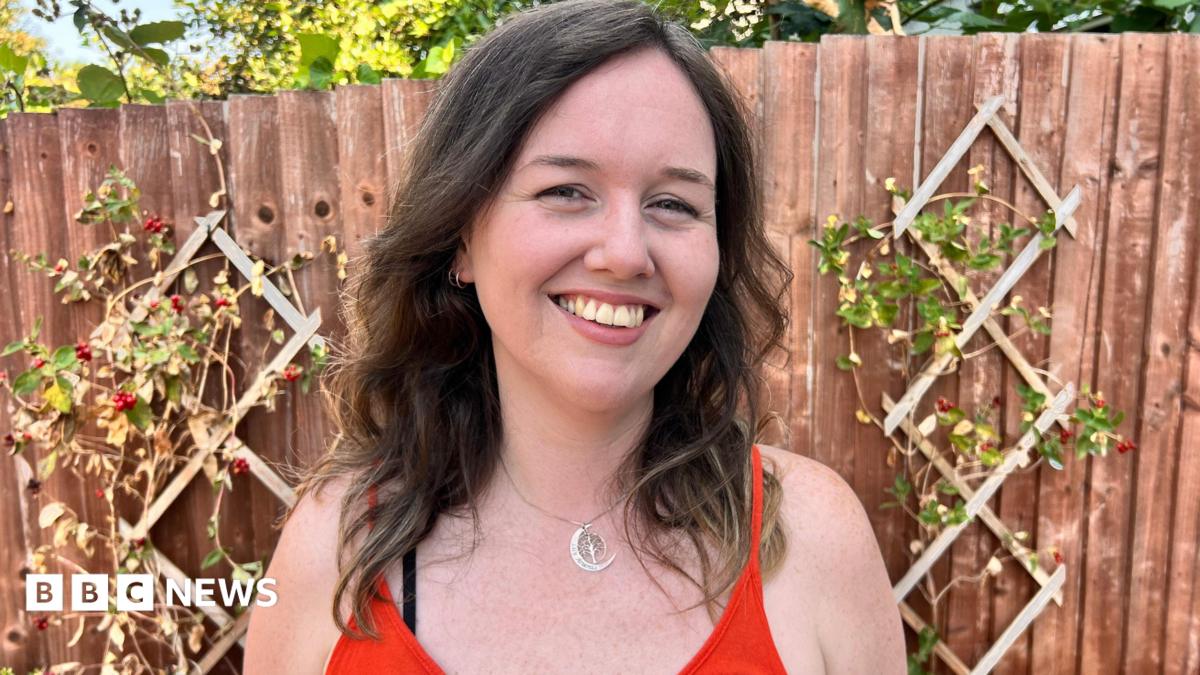
For individuals like Lauren Murphy, a 34-year-old from Southampton, the effects are deeply personal and profoundly disruptive. Diagnosed with anxiety and agoraphobia—a condition characterized by an intense fear of situations that might cause panic, helplessness, or embarrassment, often leading to avoidance of open or crowded places—Lauren finds the soaring temperatures to be a potent trigger. She vividly describes how the heat alters her perception of the air, creating a sensation of breathlessness that spirals into panic. "When it’s hot the air feels different in your lungs. Your brain just starts going, ‘Something’s different – and therefore bad’ even though it’s not," she explains. This misinterpretation of normal physiological responses to heat can plunge her into an overwhelming state of panic, leaving her feeling "really isolated" and struggling to breathe. The feeling of being trapped, a core component of agoraphobia, is intensely magnified when the very air feels oppressive and inescapable.
Lauren’s journey with anxiety spans a decade, but she observed a significant worsening after becoming a parent and receiving an ADHD diagnosis. These life changes, often associated with increased stress, heightened sensory processing, and a greater sense of responsibility, amplified her existing predispositions. "When you’re an anxious person, especially with health anxiety, you’re so much more in tune with your body," she notes. This heightened somatic awareness means that even subtle changes, like the warmth of the air, an increased heart rate, or a slight feeling of fatigue, are scrutinized and often misconstrued as signs of impending danger or illness. The internal monologue becomes relentless, scrutinizing "every single sensation, even if it’s a regular everyday occurrence," creating a constant state of hyper-vigilance.

The direct correlation between heat and her anxiety became starkly apparent during a holiday abroad a few years ago, where high temperatures left her feeling suffocated and panicked. Upon returning to the UK, as similar sweltering conditions became more frequent, those same fears resurfaced with intensity. "It really brought it all back. This year has probably been the worst," she reflects, highlighting the cumulative and escalating nature of her distress as heatwaves become a regular feature of British summers. The predictability of these events, far from alleviating her anxiety, solidifies the perceived threat, making future summers a source of dread rather than anticipation.
The physiological responses to heat stress—such as increased heart rate, accelerated respiration, sweating, and difficulty concentrating—mirror many of the classic symptoms of anxiety and panic attacks. This overlap creates a dangerous feedback loop for individuals like Lauren. "Your heart might be beating faster, you’re sweating more, and all of that feels so alarming when you’re anxious," she describes. These physical sensations, including a heavy feeling in her chest, a racing heart, and cognitive fog, reinforce the anxious narrative, making it incredibly difficult to break free from the cycle of panic. The brain, already primed for threat detection, interprets the body’s natural response to heat as a sign of imminent danger, triggering a full-blown anxiety attack. She eloquently summarizes this debilitating experience: "It’s like anxiety’s the main character and you’re the ensemble." The individual feels secondary, a mere supporting player in their own body, dictated by the overwhelming force of their anxiety.
Lauren’s experience is not an isolated incident but rather a microcosm of a broader public health concern. The growing recognition of "climate anxiety," sometimes referred to as "eco-anxiety," signifies a collective unease about the existential threat of climate change. A 2022 study from the University of Bath estimated that approximately 4.6% of the UK population suffers from this form of mental distress. Climate anxiety is now recognized by professional bodies and even the NHS, signaling its increasing prevalence and legitimacy as a mental health concern that requires dedicated support and intervention. Recent studies suggest that young people and women are among the groups most vulnerable to climate anxiety. This heightened vulnerability could be attributed to several factors, including greater awareness and engagement with climate science, a stronger sense of responsibility for future generations, and potentially different societal pressures or emotional processing styles that lead to more acute emotional responses to environmental threats.
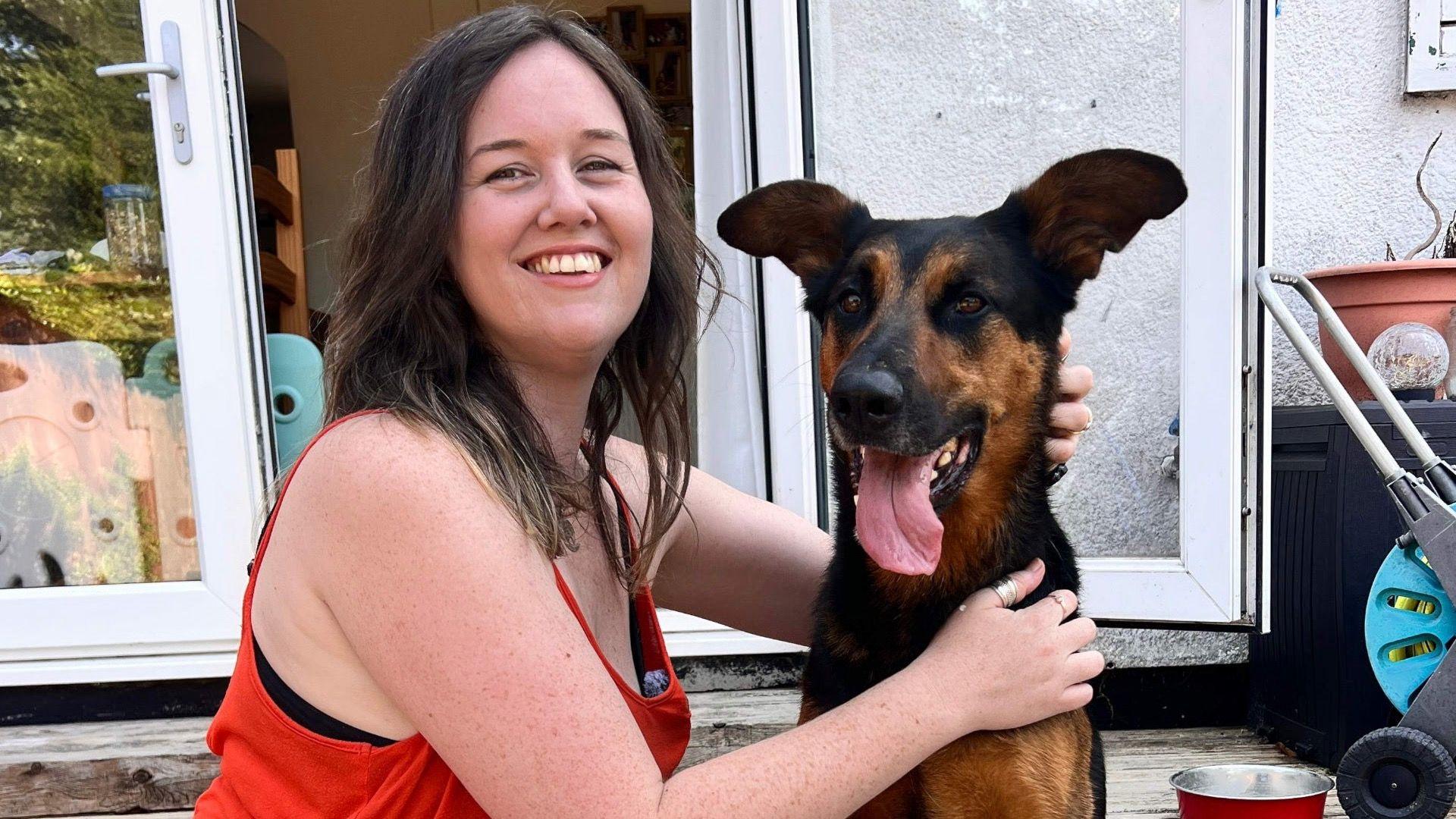
Professor Ciara McCabe, a neuroscience, psychopharmacology, and mental health expert at the University of Reading, provides crucial insights into the scientific basis of this phenomenon. She explains the profound physiological overlap: "Heat stress might feel like anxiety; they have the same physiological response." When the body is under heat stress, it activates the sympathetic nervous system, leading to responses such as increased heart rate, peripheral vasodilation (to release heat), and changes in breathing patterns. These are precisely the physiological markers associated with the "fight or flight" response characteristic of anxiety and panic attacks. Therefore, the body’s natural attempt to regulate temperature can inadvertently trigger or exacerbate psychological distress, especially in those with pre-existing anxiety disorders.
Professor McCabe further elaborates that "the anxiety feelings are due to the heat, and then anxiety can kick in." This sequential process suggests that the initial physiological discomfort of heat acts as a potent stressor, which then, in susceptible individuals, cascades into a full-blown anxiety response. The physiological symptoms of heat stress—sweating, rapid pulse, difficulty breathing—are identical to those of a panic attack, creating a cycle where the body’s natural response to heat is interpreted by the brain as a threat, fueling psychological distress. The implication for a future marked by increasingly frequent and intense heatwaves is clear and concerning: "The more heatwaves we have, obviously more and more people are going to experience this." This trend points to a looming mental health crisis, where environmental changes directly impact psychological well-being on a population scale, demanding proactive public health strategies.
In the face of these profound challenges, developing effective coping mechanisms becomes paramount. Lauren Murphy has actively sought and found strategies to manage her panic. "Journaling helps – your mind can think so much faster than you can write. Writing slows everything down," she shares. This practice allows her to externalize and process her racing thoughts, providing a sense of control and clarity by literally creating distance from the internal maelstrom. She also employs tapping techniques, which she finds "ground" her, bringing her back to the present moment and away from the spiraling anxieties. These somatic techniques, often rooted in mindfulness, help to regulate the nervous system and disrupt the panic cycle.
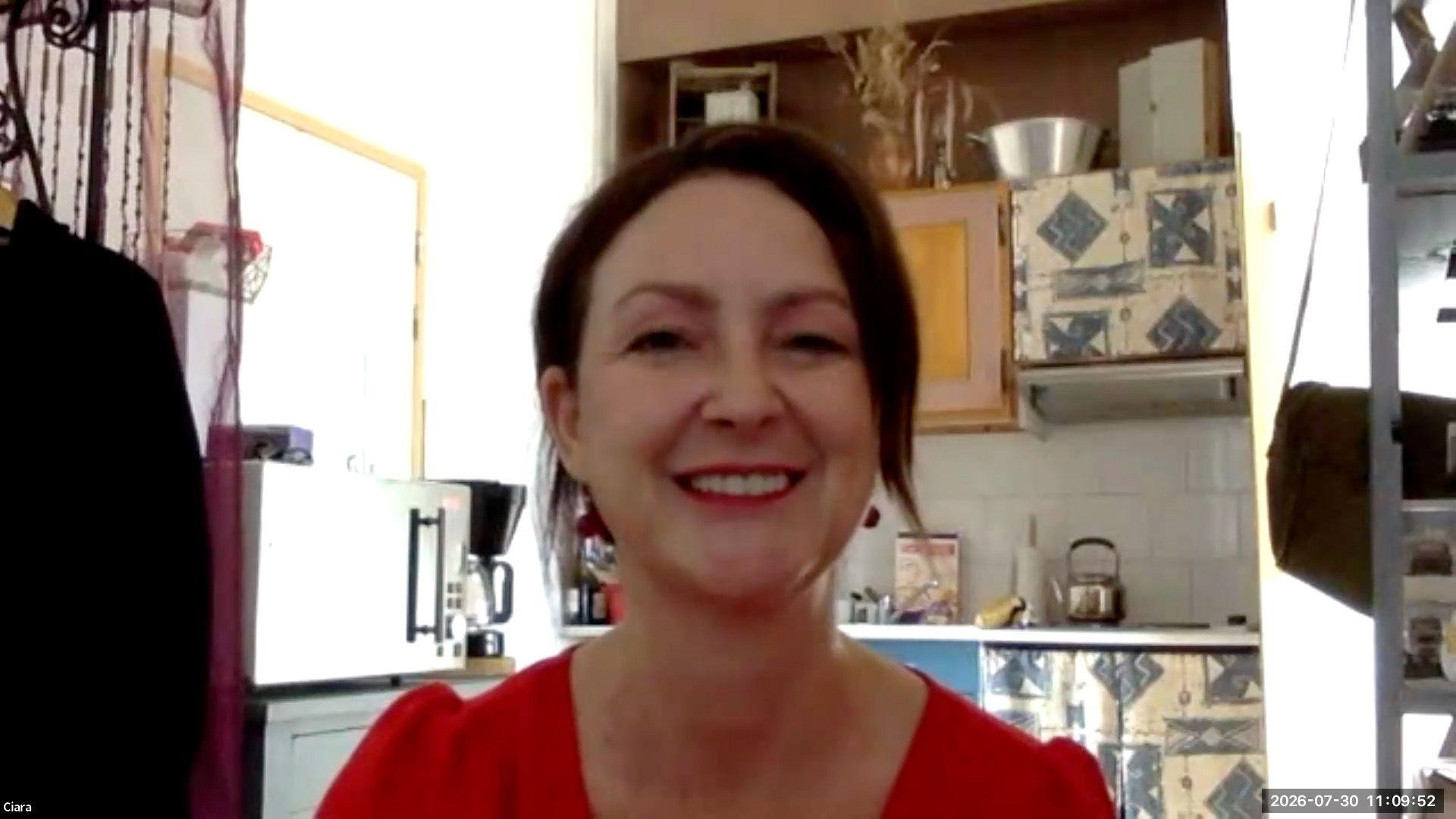
Beyond these, Lauren incorporates breathing exercises, yoga, and spending time in nature into her routine. These activities are widely recognized for their ability to promote relaxation, regulate the nervous system, and foster mindfulness, counteracting the physiological and psychological effects of stress. Her beloved seven-year-old Spanish rescue dog, Diego, also plays a crucial role in her emotional support system, often sensing her distress and calming her by simply resting his head on her. This intuitive connection to a companion animal provides unconditional support and a tangible anchor during moments of vulnerability, demonstrating the profound therapeutic benefits of human-animal bonds.
Lauren’s journey offers valuable advice for others grappling with similar experiences: "Ask for help." Breaking the silence and seeking professional guidance is a critical first step towards managing anxiety. This could involve therapy, medication, or a combination of approaches tailored to individual needs. She also emphasizes the importance of self-compassion and recognizing one’s own resilience. "I always underestimate my ability to cope," she admits, a sentiment many who struggle with anxiety can relate to, often feeling overwhelmed by their symptoms. Her powerful concluding thought serves as an inspiration: "Being brave isn’t the absence of fear. It’s having that fear and doing it anyway." This highlights that courage is not the lack of emotion, but the resolve to act despite it, a vital message in navigating the complex mental health challenges posed by a changing climate.
As climate change continues to manifest in more extreme weather patterns, understanding and addressing its multifaceted impacts on mental health will become increasingly vital. Public health strategies must evolve to include support for climate-related psychological distress, offering accessible resources, promoting community resilience, and integrating mental health considerations into broader climate adaptation plans. The experiences of individuals like Lauren Murphy serve as a stark reminder that the health crisis brought on by climate change extends far beyond the physical, permeating the very fabric of our emotional and psychological well-being, demanding a holistic and empathetic response.
