
"While the cumulative number of New World screwworm detections has climbed to 45, the number of active cases requiring immediate mitigation has significantly decreased to just five, all located within Texas. This distinction is crucial for understanding the current status and the ongoing containment efforts."
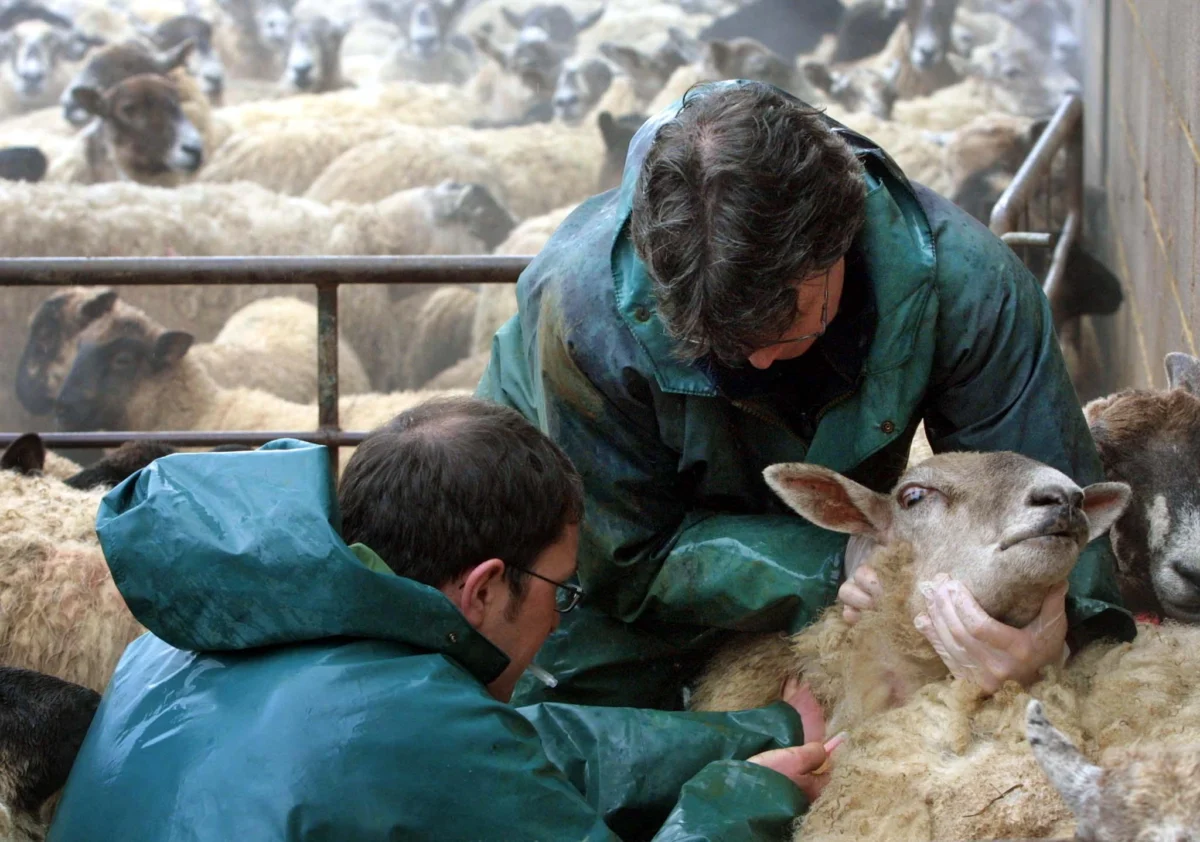
A recent detection of the New World screwworm in sheep within Terrell County, Texas, has prompted the establishment of a new infested zone, significantly impacting the movement of warm-blooded animals in the region. This development marks the latest in an ongoing outbreak that has now reached 45 confirmed detections across the United States, primarily concentrated in Texas. While the total number of confirmed cases continues to rise, a closer examination of the data reveals a more optimistic trend: only five of these cases remain active, indicating a substantial success in containment and treatment efforts. The distinction between cumulative detections and active cases is paramount for accurately assessing the situation and understanding the effectiveness of the multi-pronged response strategy.
The New World screwworm, a parasitic fly, poses a significant threat to livestock and potentially other warm-blooded animals by laying its eggs in open wounds, where the larvae then feed on living tissue. This can lead to severe tissue damage, secondary infections, and, if left untreated, can be fatal. The parasite’s ability to infest a variety of hosts, including cattle, sheep, goats, and dogs, underscores the broad implications of an outbreak. The recent confirmation in sheep in Terrell County, a region situated along the U.S.-Mexico border, has triggered immediate regulatory action. Consequently, all warm-blooded animals within this newly designated infested zone must now undergo inspection by a certified professional before they can be transported out of the area. This measure is designed to prevent further spread of the infestation and protect animal health across a wider geographic expanse.
The establishment of the Terrell County infested zone is part of a larger, coordinated response to an outbreak that first gained national attention with the detection of a case in a calf in Zavala County, Texas, on June 3. Since then, the U.S. Department of Agriculture (USDA) Animal and Plant Health Inspection Service (APHIS) has logged a total of 45 confirmed detections. However, the narrative of the outbreak is far more nuanced than the cumulative number suggests. The number that has seen the most encouraging change is the count of active cases. When the situation was last reported with 42 confirmed cases and 10 active, a week prior to the Terrell County announcement, a larger proportion of animals were still undergoing treatment and wound management. The current data shows a dramatic reduction, with only five active cases remaining, all located within Texas. These active cases are distributed across Sutton, Starr, and Brewster counties, with Brewster County accounting for two. The Terrell County detection adds to the geographic scope of the response, but the dwindling number of active cases signifies progress in overcoming the immediate threat.
The practical consequences of these detections, particularly for those residing near the border, are tangible and immediate. Terrell County’s location in West Texas, bordering Mexico, places it in a critical corridor for animal movement. The designation of this new infested zone directly impacts livestock and pet owners, introducing new protocols for animal transportation. Previously, movement restrictions had already expanded to encompass parts of more than 20 Texas counties, stretching from the Rio Grande Valley in the south, through the vast expanse of West Texas, and into the rolling landscapes of the Hill Country. The Texas Animal Health Commission (TAHC) has implemented a user-friendly system, providing a searchable map on its website where property owners can ascertain whether their specific address falls within an infested zone. This transparency is vital for ensuring compliance and facilitating necessary precautions.
Understanding the distinction between cumulative detections and active cases is fundamental to interpreting the ongoing screwworm situation. Headlines that solely report the rising cumulative count can inadvertently create a sense of escalating crisis, obscuring the significant progress being made on the ground. APHIS defines an "active case" as an individual animal that still requires mitigation efforts, including ongoing treatment and meticulous wound management until the infestation is fully resolved. Conversely, a case is deemed "inactive" once the animal has fully recovered or when effective carcass management has successfully prevented any further potential for transmission. The APHIS detection dashboard further clarifies that an infested zone can remain under active management even after all individual animal cases within it have been closed. This distinction highlights the thoroughness of the containment strategy, which considers the environment surrounding an infestation as well as the affected animals.
The cumulative count of 45 represents every confirmed instance of the New World screwworm detected since the initial discovery in June. In contrast, the active count of five signifies the number of animals currently undergoing direct intervention. This contrast is crucial for appreciating the efficacy of the containment and treatment strategies. The geographic concentration of the outbreak also remains a key factor. With the exception of a single detection in New Mexico, all confirmed cases have occurred within Texas. USDA’s commitment to intensified surveillance across affected areas, employing advanced techniques such as drone flights, strategically placed trail cameras, and extensive fly trapping, plays a critical role in identifying new infestations. While this heightened vigilance naturally leads to a higher cumulative detection rate, it does not necessarily indicate an acceleration of the spread. Rather, it reflects a more comprehensive and proactive approach to detection.
For livestock and pet owners, particularly those in proximity to the border, vigilance remains paramount. The detection of screwworm infestation still relies heavily on human observation, as current technology has not yet replaced the critical step of noticing a wound. The larvae of the New World screwworm are obligate parasites of living tissue. Female flies are attracted to open wounds, which can be as minor as a tick bite, a scratch, or even natural body orifices. Newborn animals are especially vulnerable, with their navels presenting an ideal site for egg deposition. The USDA strongly advises regular and thorough inspections of pets and livestock for any draining or enlarging wounds, as well as any signs of discomfort. A particular focus should be placed on examining the nose, ears, genitalia, and the navel area of newborn animals for the presence of larvae or eggs. Veterinarians recommend that animals be inspected after any injury, surgical procedure, branding, or any event that creates an open wound.
In Texas, suspected cases of screwworm infestation in livestock or companion animals must be reported promptly to a Texas Animal Health Commission region office or the 24-hour veterinarian on-call line at 1-800-550-8242, within 24 hours of a suspect or confirmed case. For owners located outside of Texas, the protocol involves contacting a local veterinarian and the respective state animal health official. While human infestation is uncommon, it is a possibility. The Centers for Disease Control and Prevention (CDC) assesses the risk to humans as low, and notably, no human cases acquired within the United States have been reported during this outbreak. Nevertheless, any individual who discovers a suspicious wound that they believe may be infested should seek medical attention immediately. It is important to reiterate that the USDA has consistently assured the public that the food supply remains unaffected. Screwworms infest living animals and do not target meat, produce, or other food products. The robust inspection systems in place are specifically designed to prevent infested animals from entering the food supply chain.
The primary tool for eradicating the New World screwworm is a strategy that proved highly effective when the parasite was previously driven out of the United States in 1966: the release of sterile flies. This method involves releasing tens of millions of sterilized male flies into affected areas. Because female screwworm flies mate only once in their lifetime, mating with a sterile male renders them unable to reproduce. This biological intervention, when applied consistently, leads to a collapse of wild screwworm populations over successive generations. However, this technique has an inherent lag period, which explains why new cases can still emerge even in areas where sterile fly releases are underway. The sterile insect technique does not actively kill existing larvae. Given that a fly’s life cycle spans approximately three weeks, multiple reproductive cycles must pass before a significant decline in wild populations can be observed. Under Secretary for Marketing and Regulatory Programs Dudley Hoskins emphasized the national security implications of this issue, stating, "protecting our livestock industry is a national security issue of the utmost importance." In recognition of this, the USDA is actively expanding its sterile fly production capacity, including a substantial $25 million investment for a new dispersal facility in Arizona, announced in late July.
Trade policy is also being carefully managed in parallel with the eradication efforts. Under the USDA’s phased port reopening plan, the Douglas, Arizona port is scheduled to resume livestock trade on August 24. Following this, ports in Santa Teresa and Columbus, New Mexico, are being considered for reopening. The agency has made it clear that the reopening of these trade routes may be subject to suspension if risk assessments indicate any change in the screwworm situation. APHIS diligently updates its detection dashboard on a regular basis, providing real-time information on the outbreak’s progression. Future reports will continue to monitor the establishment of new infested zones, shifts in the active case count, and any detections that occur outside of Texas and New Mexico, ensuring that stakeholders remain informed about this critical animal health issue.
