
"The modern bathroom has transitioned from a purely functional space into a sensory sanctuary, where even the most mundane ritual—washing one’s hands—serves as an essential entry point into personal luxury and mental well-being."

As the lines between hygiene, interior design, and self-care continue to blur, the global personal care market has witnessed a significant shift toward "elevated essentials." No longer viewed as a mere utility, hand soap has become a status symbol and a tool for aromatherapy, allowing homeowners to curate an olfactory experience that rivals fine perfumery. This evolution reflects a broader consumer trend: the desire for small, attainable luxuries that provide a moment of pause in an increasingly fast-paced world, transforming a twenty-second sanitary requirement into a deliberate act of indulgence.
The Psychology of the Small Luxury
The rise of high-end hand care is often attributed to the "Lipstick Effect"—the theory that during times of economic uncertainty or high stress, consumers turn to small, relatively affordable luxury items rather than large, expensive ones. A $40 bottle of hand wash may seem indulgent compared to a $3 drugstore alternative, yet it remains significantly more accessible than a designer handbag or a luxury spa day. For many, these soaps represent a commitment to the "home-as-sanctuary" philosophy, where every object, from the kitchen sink to the guest bathroom, is chosen with intentionality.

This trend is driven not only by aesthetics but by the sensory experience. Modern formulations prioritize sophisticated scent profiles—moving away from generic "floral" or "lemon" scents toward complex notes like vetiver, charcoal, and sandalwood—and skin-nourishing ingredients that address the dryness caused by frequent washing.
Celebrity Influence and the Home-Care Revolution
One of the most prominent entries into this space is Homecourt, a brand helmed by actress Courteney Cox. The brand’s "Cece" Hand Soap ($36) exemplifies the shift from celebrity-endorsed beauty products to celebrity-curated home experiences. Cox’s approach focuses on "skincare-grade" ingredients for the home, offering both exfoliating and non-exfoliating versions of her signature cleansers.

The Cece line is lauded for its minimal branding, allowing the product to blend seamlessly into high-end interior designs without the distraction of loud logos. Its popularity stems from a formula that prioritizes a subtle lather and a lingering, sophisticated scent that remains present without becoming overpowering. By focusing on a "non-drying" experience, Homecourt taps into the primary concern of the modern consumer: maintaining skin barrier integrity in an era of heightened hygiene awareness.
The Design Aesthetic: From Utility to Decor
Packaging has played a pivotal role in the premiumization of hand soap. Brands like Aesop have essentially set the gold standard for the "apothecary aesthetic." The Aesop Hydrating Hand Wash ($47) is perhaps the most recognizable product in this category, frequently found in the restrooms of Michelin-starred restaurants and boutique hotels. Its iconic amber bottle and citrusy, botanical scent profile have launched a thousand copycats, proving that the container is often as important as the contents.

Following this lead, brands are increasingly moving toward sustainable and durable materials. Fruits and Passion offers its Sea Salt and Amalfi Lemon Hand Soap ($28) in an elevated glass bottle designed to be refilled and reused. This reflects a growing consumer demand for "sustainable sophistication," where luxury does not have to come at the expense of environmental responsibility. The use of cold-pressed olive oil in their formula provides a silky, non-oily finish, bridging the gap between traditional soap and high-end skincare.
The Olfactory Crossover: From Candles to Cleansers
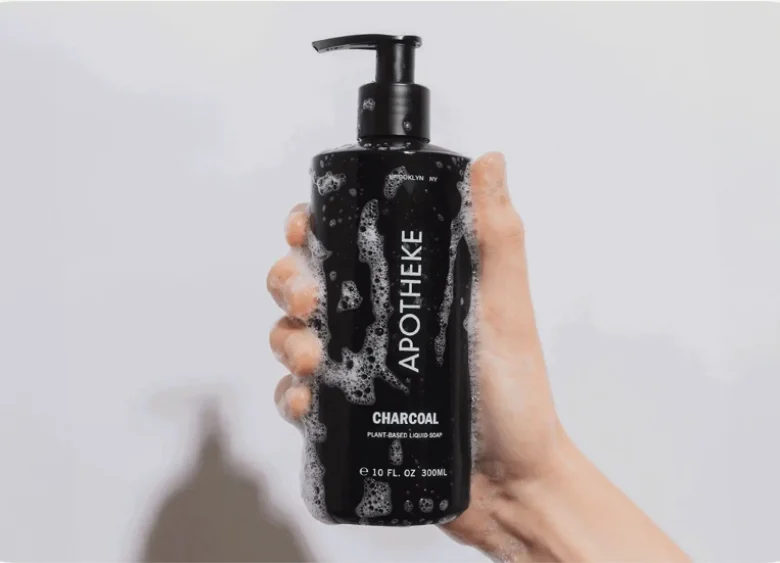
The connection between home fragrance and personal care has never been stronger. Apotheke, a brand originally known for its high-quality candles, successfully translated its signature scents into the realm of liquid soap. Their Moisturizing Liquid Hand Soap in Charcoal ($20) mirrors the woody, masculine notes of sandalwood and cedarwood found in their popular candle line.

This crossover highlights a shift in consumer behavior: people want their entire environment to smell cohesive. By using a hand soap that shares a scent profile with their favorite home fragrance, users can create a layered olfactory experience that enhances the overall atmosphere of their living space. The Apotheke formula specifically targets hydration, ensuring that the woody scent is accompanied by a soft, moisturized skin feel.
The Rise of the "Dupe" and the Value Proposition
While the luxury market thrives, a parallel market has emerged for "dupes"—products that offer high-end scent profiles at a fraction of the cost. Method, a brand traditionally associated with mass-market cleaning supplies, has made significant inroads into the luxury-lite space. Their Gel Hand Soap in Vetiver + Amber ($24 for a 3-pack) has gained a cult following for its striking similarity to Le Labo’s Santal 33, a fragrance that typically retails for over $50 in soap form.

Method’s success lies in its ability to package these "fine fragrance" scents in modern, tonal black aluminum bottles that mimic the look of luxury brands. This allows budget-conscious consumers to participate in the "elevated bathroom" trend without the steep price tag. Similarly, Element Brooklyn has positioned itself as an eco-friendly alternative that provides high-end scent experiences, such as their Wild Pear Hand Soap ($27), which is often compared to the sophisticated "Suede" scent by Byredo.
Ingredient Integrity and Skin Health
As consumers become more educated about skincare, they are scrutinizing the ingredient lists of their hand soaps with the same rigor they apply to their facial serums. The transition away from harsh sulfates toward plant-based surfactants is a key hallmark of the premium soap market.

Method and Element Brooklyn both emphasize plant-based formulas that are gentle on sensitive skin. The inclusion of ingredients like cold-pressed oils, as seen in the Fruits and Passion line, or the hydrating botanical blends found in Aesop, addresses the mechanical reality of hand washing: water and soap naturally strip the skin of its oils. By incorporating humectants and emollients, these brands ensure that the skin remains supple even with frequent use.
The Role of the Reliable Mainstay
Even within a market leaning toward the avant-garde, there remains a vital place for the reliable, widely available mainstay. Mrs. Meyer’s Clean Day ($15 for a 3-pack) represents the bridge between traditional utility and modern scent-consciousness. While it lacks the high-concept branding of Aesop or Homecourt, its Lavender Liquid Hand Soap remains a staple for those who value consistent cleaning power and pleasant, natural scents. Mrs. Meyer’s success proves that "fancy" is a spectrum; for many, the simple luxury of a reliable, good-smelling soap in the kitchen sink is enough to elevate the daily routine of household chores.

The Future of the Market: Refillability and Responsibility
As the industry moves forward, the focus is shifting toward longevity. The "throwaway" culture of plastic soap dispensers is being replaced by a "refill-first" mentality. Brands like Element Brooklyn and Fruits and Passion are leading this charge by offering high-quality concentrates and large-format refills. This not only reduces plastic waste but also allows the consumer to invest in a single, high-quality dispenser—be it glass, ceramic, or aluminum—that becomes a permanent fixture of their home decor.
The elevation of hand soap is more than a marketing trend; it is a reflection of a cultural shift toward mindfulness and the valuation of the domestic space. Whether it is through a $47 bottle of Aesop or a $24 three-pack of Method, the goal remains the same: to find beauty and pleasure in the necessary, and to transform a routine task into a moment of genuine satisfaction. In the hierarchy of home goods, the humble hand soap has finally claimed its place as a cornerstone of the modern lifestyle.
