
"This bill is not about banning AI, but about ensuring that when it comes to mental health, human oversight and accountability remain paramount, protecting vulnerable patients from potentially harmful advertising and unchecked algorithmic decision-making."
California is on the cusp of enacting significant legislation, Senate Bill 903, aimed at regulating the burgeoning use of artificial intelligence in mental health services. The bill, authored by Senator Steve Padilla, seeks to prevent companies from misrepresenting AI chatbots as therapeutic tools and to establish clear guidelines for how licensed mental health professionals can integrate AI into their practice. Having already passed the Senate unanimously, SB 903 has navigated two Assembly policy committees and now awaits a crucial decision from the Assembly Appropriations Committee, underscoring the growing legislative concern over the ethical and safety implications of AI in a sensitive field. This move comes at a time when AI chatbot usage has surged, coinciding with an alarming rise in wrongful death lawsuits that allege AI developers have contributed to user suicides, highlighting the urgent need for regulatory frameworks.
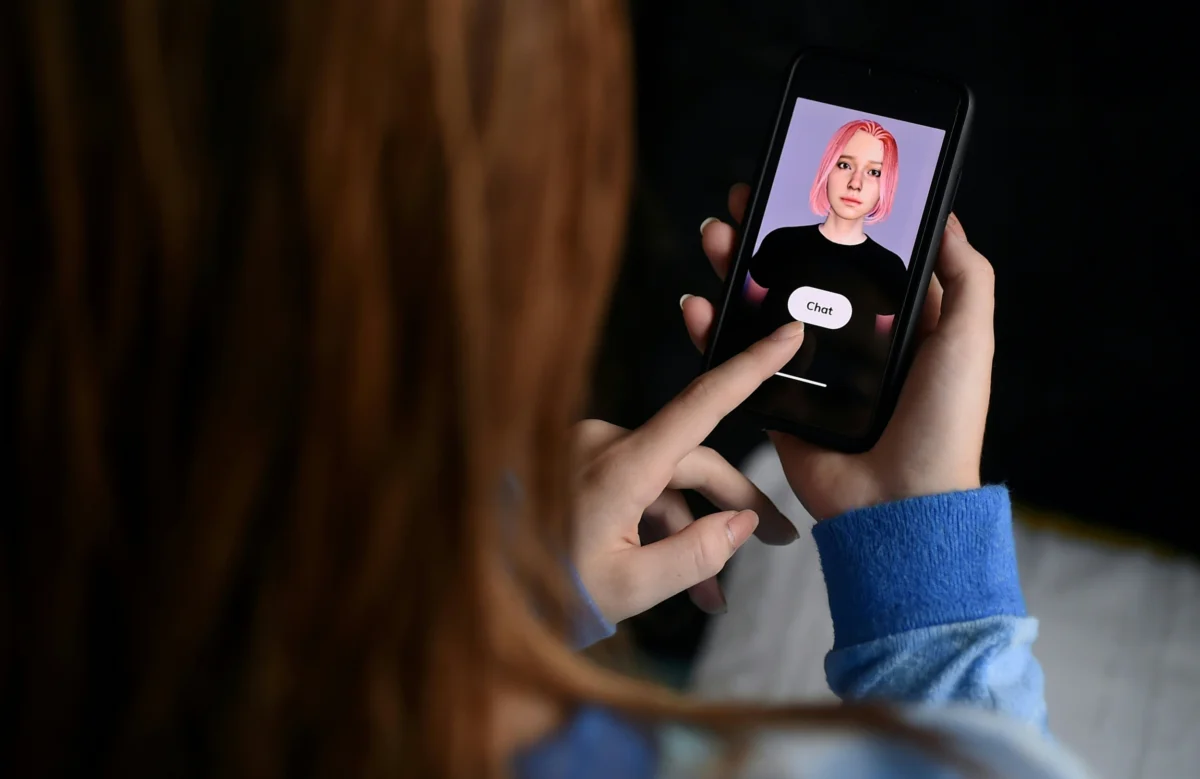
SB 903 is carefully calibrated to avoid a broad prohibition on AI technology itself. Instead, its focus is on two critical areas: how AI-powered tools are marketed and how they are deployed within the formal structure of mental healthcare. As currently amended, the legislation explicitly prohibits individuals and companies from offering or advertising therapy or psychotherapy in California unless a licensed professional is ultimately responsible for the patient’s care. This restriction specifically targets the advertising of companion chatbots, forbidding companies from claiming that these tools offer psychotherapy services or that they function as therapists.
Furthermore, the bill imposes stringent limitations on the independent capabilities of AI in clinical settings. It prohibits AI from autonomously interacting with patients, making therapeutic decisions, assessing emotions, or generating treatment plans without the thorough review and explicit approval of a licensed professional. While AI may be utilized for certain administrative or supplementary functions, such as drafting non-therapeutic logistical communications, its role in direct patient care and clinical decision-making is strictly controlled. Licensed providers are required to obtain clear written disclosure and affirmative patient consent before employing AI to record or transcribe therapy sessions, or for the purpose of triaging mental health care needs. These provisions are buttressed by requirements for the confidentiality of therapy records and the empowerment of the Department of Consumer Affairs and relevant licensing boards to investigate violations and impose substantial civil penalties, up to $10,000 per infraction. The distinction between a marketing restriction and a product ban is crucial; a general-purpose chatbot used for personal reflection or stress management would not be outlawed, but its marketing as a therapeutic service would be prohibited, and its integration into clinical workflows would necessitate professional oversight.
The debate surrounding SB 903 reflects a nuanced understanding of AI’s dual nature in mental health: its potential for measurable benefit alongside its documented capacity for failure. On the one hand, clinical evidence supports the efficacy of structured, purpose-built therapeutic chatbots. A randomized trial conducted by Dartmouth, published in NEJM AI, demonstrated significant symptom reductions in participants with major depressive disorder, generalized anxiety disorder, and high risk for feeding and eating disorders when using a chatbot called Therabot. Compared to a waitlist control group, those using the chatbot for four weeks reported average symptom reductions of 51 percent for depression and 31 percent for anxiety. However, the researchers themselves cautioned that no generative AI agent is currently ready for autonomous operation in mental health. The primary argument in favor of these tools often centers on access; Senator Padilla’s office highlights that nearly a third of California residents reside in areas with an insufficient ratio of mental health providers to patients, making accessible digital tools a critical consideration.
Conversely, the risks associated with AI in mental health are most pronounced in high-stakes situations. A joint investigation by Common Sense Media and Stanford Medicine’s Brainstorm Lab for Mental Health Innovation concluded that major AI chatbots are unsafe for teenagers seeking mental health advice or emotional support. Their findings indicated that these products frequently missed critical warning signs and tended to encourage continued engagement with the AI rather than directing users toward professional help. The research also revealed that a significant portion of teenagers, three in four, use AI for companionship, which often includes conversations about emotional and mental well-being. Le Ondra Clark Harvey, CEO of the California Behavioral Health Association, has articulated concerns to lawmakers that without robust safeguards, chatbots can disseminate inaccurate information or mishandle crisis scenarios. She emphasized that the distinction between a licensed clinician and an automated response is not merely technical but can be life-altering. The bill is notably co-sponsored by influential professional organizations, including the California Psychological Association, the California Association of Marriage and Family Therapists, and the California Behavioral Health Association, with backing from the National Union of Healthcare Workers, indicating strong support from established mental health professional communities.
Opposition to SB 903, primarily from the technology industry, has centered less on the advertising restrictions and more on the proposed limitations for AI use within formal clinical settings. TechNet, an organization representing technology companies, has expressed opposition to the bill in its current form, arguing that it would unduly restrict beneficial applications of AI in healthcare. Robert Boykin, speaking on behalf of TechNet, stated that while the group agrees AI should not be advertised as a replacement for licensed professionals, the bill’s current language could significantly impede the use of widely adopted tools such as patient check-ins, journaling support, and workflow assistance that contribute to care continuity. This objection points to a genuine tension between the perceived benefits of AI-driven efficiency and the imperative of human clinical judgment. Intake questionnaires, triage algorithms, and symptom screeners are already prevalent in large healthcare systems, and requiring licensed review of every AI-generated output introduces significant staffing and cost considerations. An ongoing dispute between a labor union and Kaiser Permanente concerning an electronic visit tool exemplifies this ambiguity: the union contends that care recommendations generated instantaneously are unlikely to have undergone thorough review by a licensed professional, while Kaiser maintains its e-visit tool does not utilize AI for diagnosis, clinical decision-making, or determining medical necessity.
The practical implications of SB 903 for households and patients are likely to be most visible in the realm of app store listings and advertising, rather than in the outright removal of existing technology. Products marketed for mental health will be compelled to cease describing themselves as offering therapy or psychotherapy unless a licensed professional is demonstrably accountable for the care provided. For individuals currently undergoing therapy, a significant practical change would be the requirement for explicit patient consent. Therapists intending to use AI for recording or transcribing sessions, or for triaging patient needs, will need to obtain written disclosure and affirmative agreement from their patients—a right patients can already inquire about and advocate for, irrespective of the bill’s passage.
It is crucial to note that the measure does not mandate the cessation of chatbot use. Individuals who find general AI tools beneficial for journaling, organizing thoughts, or as a supplement between therapy sessions can continue to do so, with the understanding that these products are not designed for crisis response and do not substitute for professional clinical care. In situations of mental health crisis, individuals are strongly advised to connect with a human rather than rely on an automated program. The 988 Suicide and Crisis Lifeline is readily available via call or text in the United States. Californians without insurance can access county behavioral health services, and federally qualified health centers offer mental health visits on a sliding scale.
Several aspects of the bill’s future remain uncertain. Its passage is not guaranteed, and its final language may be subject to amendment. Governor Gavin Newsom has not yet indicated his position on the legislation. The specifics of how the Department of Consumer Affairs will enforce its provisions, and whether the new rules will apply to existing clinical triage tools, are yet to be resolved. Senator Padilla has a prior record of authoring legislation concerning AI chatbots, having previously introduced SB 243, which established earlier safeguards. Illinois has also taken legislative action, enacting its own law last year to restrict AI-delivered therapy. MedicalDaily will continue to monitor committee actions and any amendments to SB 903.
Key Questions Answered
Would SB 903 ban AI chatbots in California?
No. The bill prohibits offering or advertising therapy or psychotherapy unless a licensed professional is responsible for the care, and restricts AI from making therapeutic decisions without professional review. The tools themselves would remain available.
What would change for someone already in therapy?
A provider would need written disclosure and the patient’s affirmative consent before using AI to record or transcribe sessions, or to triage mental health care.
Does evidence support chatbots for mental health at all?
A randomized trial of a purpose-built therapeutic chatbot showed symptom reductions against a waitlist control, and access advantages are real. Testing has also documented failures in crisis situations, which is why researchers advise against teen use for emotional support.
Who supports and who opposes the bill?
Professional associations representing psychologists, therapists, and counselors co-sponsor it, along with a healthcare workers union. TechNet, representing technology companies, opposes it unless amended, arguing it could restrict beneficial clinical uses.
Where does the bill stand?
It cleared the Senate and two Assembly committees and now sits on the Assembly Appropriations suspense file. It has not passed, and its language could change.
Is a chatbot safe to use during a mental health crisis?
No. These products are not designed for crisis response. Anyone in crisis should contact the 988 Suicide and Crisis Lifeline by call or text, or seek emergency care.
Are other states doing something similar?
Yes. Illinois enacted a law restricting AI-delivered therapy and setting rules for clinicians’ use of AI, and California previously enacted SB 243, which set earlier safeguards on AI chatbots.
