
"The most dangerous point in this event is likely to arrive after the most dramatic forecast numbers have already passed, as heat stress accumulates in the body across consecutive days, particularly when overnight temperatures remain high."
The St. Louis metropolitan area is currently under an Extreme Heat Warning issued by the National Weather Service, a critical alert that underscores the significant health risks associated with prolonged periods of high temperatures and humidity. This warning, in effect from Sunday through 8 p.m. Wednesday, signifies a period where heat index values are projected to reach dangerous levels, with forecasts indicating temperatures feeling as high as 105 degrees Fahrenheit on Sunday and approaching 110 degrees on Monday. While individual hot days can be uncomfortable, the true danger of such extended heat waves lies in the cumulative impact on the human body, a phenomenon often underestimated, leading to a delayed but significant increase in heat-related illnesses and fatalities.
The National Weather Service issues an Extreme Heat Warning when the heat index is expected to reach around 110 degrees Fahrenheit for two consecutive days or around 105 degrees Fahrenheit for four consecutive days. This specific alert, therefore, highlights the duration of the oppressive conditions as a key factor in its severity. Unlike a single scorching afternoon, a multi-day heat event prevents the body from adequately recovering. Overnight temperatures are projected to remain high, denying homes without functioning air conditioning the crucial cool-down period necessary for physiological restoration. This persistent lack of respite significantly elevates the risk of heat stress, leading to a cascade of health emergencies that can manifest even after the peak temperatures have subsided.
The cumulative nature of heat stress is a critical concept that health officials emphasize. The National Weather Service’s own excessive heat guidance explicitly points out that the impacts of heat are cumulative over time, and the peak incidence of heat-induced illnesses and fatalities typically occurs approximately two days after the highest heat index values have been recorded. This lag is a crucial factor in public health planning and individual preparedness. An individual who feels relatively well on a Monday evening, even after experiencing high temperatures, may be at a substantially higher risk by Wednesday. This is because their body has endured three consecutive nights without a meaningful opportunity to cool down and recover. Consequently, the most perilous phase of such a heat event often coincides with a period when the most alarming forecast numbers may have already passed, a fact that can lead to complacency.
Humidity plays an equally vital role in amplifying the danger of heat. The heat index, a metric commonly used to describe how hot it actually feels to the human body, is a composite measure that combines air temperature and relative humidity. When humidity levels are high, the body’s primary cooling mechanism – the evaporation of sweat – becomes significantly less efficient. Sweat, in its transition from liquid to gas, absorbs heat from the skin, thus lowering body temperature. High humidity impedes this process, leaving the body struggling to dissipate excess heat. Furthermore, the National Weather Service notes that wind plays a role in enhancing evaporative cooling. Winds exceeding approximately 5 miles per hour can accelerate the evaporation of sweat, thereby reducing the health threat. This explains why still, humid afternoons, even if not at the absolute peak of air temperature, can be particularly dangerous.
The risks associated with extreme heat are not uniformly distributed across the population. Certain demographic groups and individuals with specific health conditions are disproportionately vulnerable. St. Louis County’s emergency management guidance underscores the critical importance of prompt and appropriate responses to heat-related illnesses, recognizing that such actions can be the decisive factor between life and death.
Older adults, particularly those living alone, face an elevated risk. This vulnerability stems from several factors, including the natural weakening of the thirst sensation with age, which can lead to insufficient fluid intake. Moreover, individuals living alone may lack immediate assistance if they begin to experience early signs of heat illness, such as confusion or disorientation, which can be subtle and easily overlooked by the individual themselves. Infants and young children are also at higher risk due to their less developed thermoregulatory systems; they are unable to regulate their body temperature as efficiently as adults and may struggle to communicate their distress effectively.
Outdoor workers, by the nature of their employment, are subjected to prolonged exposure to extreme heat with limited opportunities to escape it. Occupations in construction, landscaping, roofing, and delivery services often continue during heat warnings, placing these individuals in a constant battle against rising body temperatures. For individuals with pre-existing health conditions, such as heart disease, kidney disease, diabetes, or obesity, the heat imposes an additional burden. The cardiovascular system must work harder to pump blood towards the skin’s surface for cooling, increasing strain on the heart and potentially exacerbating these chronic conditions.
An often underappreciated factor contributing to heat vulnerability is medication. Certain prescription drugs can interfere with the body’s natural cooling mechanisms. Diuretics, for instance, can lead to increased fluid loss, while beta-blockers, antipsychotics, and anticholinergic medications can reduce the body’s ability to sweat or affect fluid balance. Individuals taking such medications are strongly advised to consult with their pharmacist or physician if they have concerns about their heat tolerance. It is crucial to emphasize that no one should alter or stop taking prescribed medication due to heat concerns without professional medical advice.
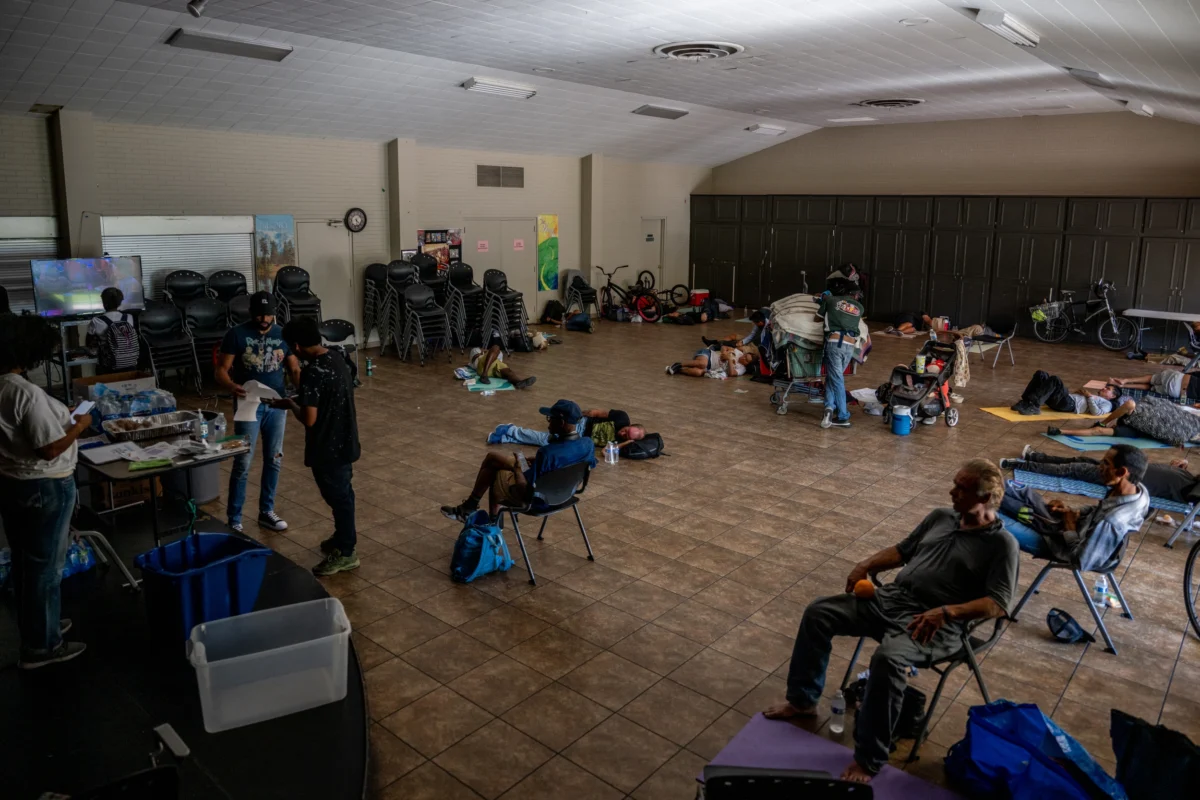
For residents seeking immediate relief from the oppressive heat, various cooling assistance resources are available across the St. Louis region. The United Way of Greater St. Louis serves as a central point of contact, reachable by calling 800-427-4626 or by dialing 2-1-1 from a landline. Additionally, Cool Down St. Louis can be contacted directly at 314-241-7668. These numbers provide the most direct route to accessing air-conditioned spaces, often referred to as cooling centers, or to inquire about energy assistance that can help maintain a safe indoor temperature.
The City of St. Louis maintains a public list of cooling sites, currently comprising 26 accessible locations. It is important to note that operating hours for these sites can vary, and some may only open when temperatures reach specific thresholds or when humidity makes the perceived temperature reach critical levels. Therefore, calling ahead to confirm availability and hours of operation is highly recommended. During periods of declared heat emergencies, the city typically expands its network of cooling sites by opening community centers to provide public access to air-conditioned environments.
In St. Louis County, residents can obtain an updated list of operating cooling centers by calling the non-emergency police information line at 636-529-8210. This is particularly useful as many cooling centers in the county are managed by private and non-governmental organizations rather than directly by county government.
Seniors and residents with disabilities who lack operational air conditioning may also inquire about specialized assistance through Cool Down St. Louis. This organization plays a crucial role in coordinating utility support and the provision of cooling equipment throughout the region, aiming to ensure vulnerable populations have access to safe environments during extreme heat events.
Beyond designated cooling centers, libraries, senior centers, and other public buildings can serve as informal havens from the heat for individuals who can travel to them. Even spending two to three hours in an air-conditioned environment during the hottest part of the afternoon can significantly reduce heat strain, even for those returning to a warmer home. It is important to understand that electric fans, while providing a sense of airflow, are largely ineffective in preventing heat illness once temperatures climb into the high 90s Fahrenheit. This is because moving hot air across the skin does little to actually cool the body; true relief requires a reduction in ambient temperature.
Recognizing the symptoms of heat-related illness is crucial for timely intervention. Heat exhaustion typically manifests with heavy sweating, cool and clammy skin, a rapid and weak pulse, nausea, muscle cramps, dizziness, headache, and general weakness. Individuals experiencing these symptoms should immediately move to a cooler location, loosen any constricting clothing, sip water, and apply cool, wet cloths to their skin. If symptoms persist for more than an hour, worsen, or include vomiting, seeking medical attention is imperative.
Heat stroke, however, is a far more severe condition and constitutes a medical emergency requiring immediate intervention. Warning signs include a body temperature of 103 degrees Fahrenheit or higher, hot, red skin that may be either dry or damp, a rapid, strong pulse, confusion, slurred speech, and potentially loss of consciousness. In cases of heat stroke, sweating may cease entirely, a critical indicator of the body’s failure to regulate temperature. Anyone exhibiting these signs needs to have 911 called immediately. While awaiting emergency services, the individual should be moved to a cool place and cooled with wet cloths or a cool bath. Crucially, they should not be given anything to drink in this state.
Beyond individual preparedness, community action plays a vital role in mitigating the impact of extreme heat. One of the most effective collective actions during such warnings is to actively check on neighbors and relatives, particularly older adults who live alone. This check-in should ideally be conducted in person rather than solely by phone, as confusion can be an early and critical sign of serious heat illness, and an affected individual may not recognize their own compromised state. MedicalDaily has previously reported on how cities are adapting to longer heat seasons and the specific risks heat waves pose during pregnancy, highlighting the multifaceted nature of this public health challenge.
A stark reminder of the dangers of heat is the absolute prohibition of leaving children or pets unattended in parked vehicles. Interior temperatures within a car can rise to dangerously high levels within minutes, even with windows slightly ajar, posing a lethal threat. The current Extreme Heat Warning is scheduled to expire Wednesday evening, but residents are advised to remain vigilant, as the National Weather Service may extend or modify the alert based on evolving weather conditions.
Key Questions Answered
How long does the warning last? The National Weather Service in St. Louis has issued an Extreme Heat Warning that remains in effect from Sunday through 8 p.m. Wednesday. Heat index values are expected to persist at warning levels throughout this period.
Where can someone find a cooling site right now? Residents can reach cooling assistance by calling the United Way of Greater St. Louis at 800-427-4626, dialing 2-1-1 from a landline, or contacting Cool Down St. Louis at 314-241-7668. The City of St. Louis also publishes a list of cooling site locations online, and St. Louis County residents can call 636-529-8210 for current openings and information.
Why is a multi-day stretch more dangerous than one hot day? The danger escalates with extended heat because heat stress accumulates in the body. The National Weather Service notes that heat illnesses and fatalities typically peak approximately two days after the highest heat index values. This occurs because the body lacks sufficient cool periods, especially overnight, to recover from the sustained strain.
Who faces the highest risk? Individuals at the highest risk include older adults living alone, infants and young children, outdoor workers, people with pre-existing conditions such as heart disease, kidney disease, or diabetes, and individuals taking medications that can affect sweating or fluid balance.
What is the difference between heat exhaustion and heat stroke? Heat exhaustion is characterized by symptoms like heavy sweating, clammy skin, nausea, and dizziness, and typically improves with rest and cooling measures. Heat stroke, conversely, is a medical emergency indicated by a body temperature of 103 degrees Fahrenheit or higher, hot skin, confusion, and potential loss of consciousness. Heat stroke requires immediate medical intervention by calling 911.
Do fans help? Electric fans are generally ineffective in preventing heat illness once ambient temperatures reach the high 90s Fahrenheit. Moving hot air across the skin does not provide significant cooling. Air conditioning, even for a few hours daily, offers far more protective benefits against heat-related illnesses.
Should anyone stop a medication because of the heat? No. While certain medications can impact heat tolerance, individuals should never stop or adjust a prescribed medication due to heat concerns without first consulting a clinician or pharmacist. Professional guidance is essential to manage any potential risks associated with medication and heat exposure.
