
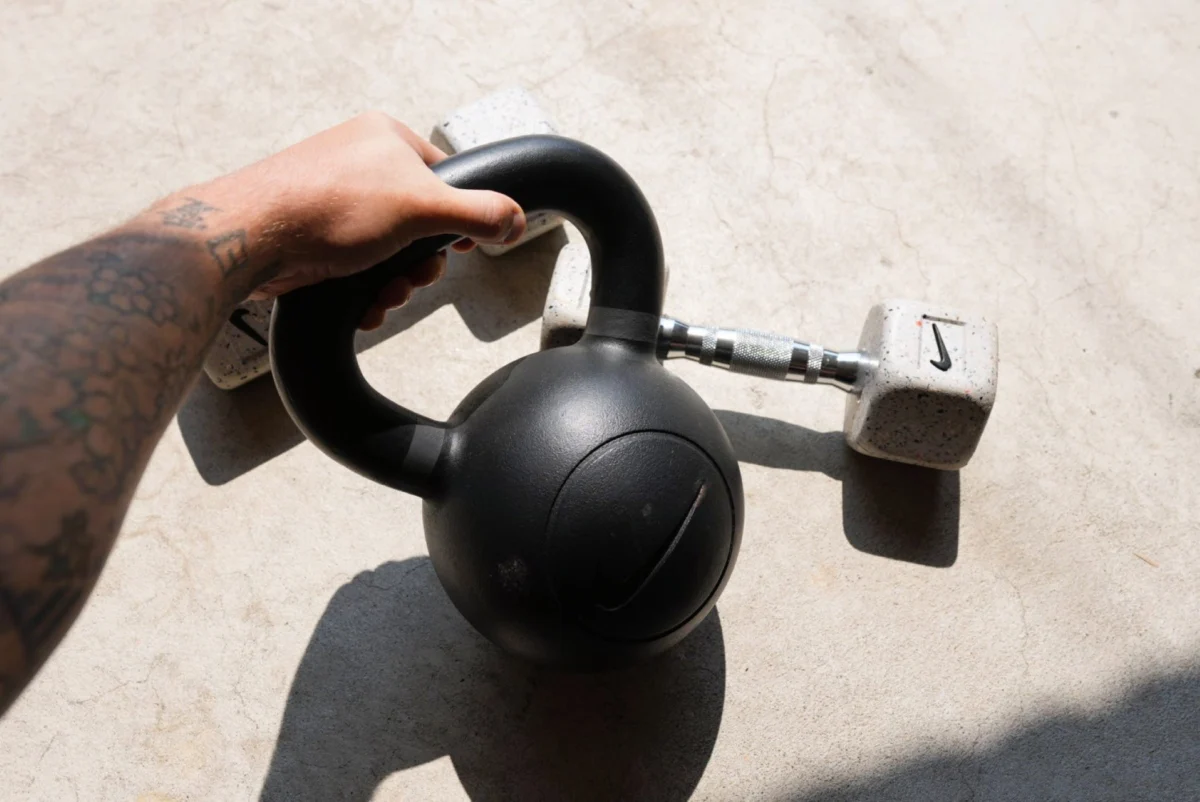
"Nike’s entry into the strength equipment market prioritizes functional simplicity and aesthetic cohesion, offering a bridge between entry-level home fitness and the high-performance demands of serious strength training."
The expansion of the Nike brand into the hardware sector marks a significant shift for a company historically defined by footwear and apparel. By launching Nike Strength, the conglomerate has signaled its intent to occupy the physical spaces where athletes train, moving beyond the "Swoosh" on a jersey to the iron in a lifter’s hand. This move leverages Nike’s massive manufacturing infrastructure and commitment to sustainable materials, such as Nike Grind rubber, to compete with established industry giants like Rogue Fitness and REP Fitness.
The Philosophy of Functional Simplicity
When a brand as ubiquitous as Nike enters a specialized market like strength equipment, the primary concern for consumers and experts alike is whether the products will favor form over function. However, the initial rollout of Nike Strength suggests a philosophy of restrained design. Rather than attempting to disrupt the fundamental geometry of the kettlebell or the barbell—tools that have remained largely unchanged for decades—Nike has focused on refining the manufacturing quality and the tactile experience of the equipment.

For the modern home gym owner, equipment must serve two masters: performance and space. The rise of "garage gyms" and "living room studios" has created a demand for gear that is durable enough to survive a high-intensity session but aesthetically pleasing enough to exist within a residential environment. Nike’s current lineup, consisting of cast iron kettlebells, recycled rubber dumbbells, and multipurpose barbells, targets this intersection of professional-grade utility and consumer-focused design.
The Nike Kettlebell: A Study in Cast Iron Durability
The kettlebell is perhaps the most versatile tool in any strength program. Nike’s iteration of the "OG Kettlebell" adheres to the classic Russian-style design, eschewing flashy modifications for a focus on structural integrity. Constructed from high-quality cast iron, these bells provide the requisite stable base for floor-based movements and a textured finish that aids in grip retention without being overly abrasive.
The weight range offered—spanning from 4 kilograms (approximately 9 pounds) to 40 kilograms (approximately 88 pounds)—is designed to accommodate a broad spectrum of users. For the novice, the lighter bells serve as ideal implements for learning the mechanics of the deadlift and the goblet squat. For the advanced practitioner, the heavier options are suited for high-force movements such as the kettlebell swing, clean, and overhead press.
A critical technical detail in the Nike Kettlebell is the handle geometry. With diameters ranging from 30mm to 40mm and widths between 160mm and 238mm, the handles scale proportionally with the weight. This ensures that larger bells provide sufficient clearance for two-handed swings, a common pain point in lower-quality equipment. Charles Thorp, NASM-certified trainer and Fitness Editor at Men’s Health, has noted that the 44-lb version maintains its finish and structural feel even after a year of rigorous use in a garage gym environment. While the cost of building a full set can be prohibitive, as a standalone purchase, the Nike kettlebell represents a lifetime investment in a compact footprint.

Sustainability and Style: The Nike Grind Dumbbells
Perhaps the most visually distinct offering in the lineup is the Nike Grind Dumbbell. These fixed-weight implements are manufactured using at least 20 percent Nike Grind rubber by volume—a material composed of recycled scraps from the brand’s footwear manufacturing processes. The result is a "funfetti" or speckled aesthetic that differentiates these dumbbells from the standard black rubber hex-head variants found in most commercial gyms.
Beyond the visual appeal, the design addresses several functional needs. The anti-roll geometry is essential for safety and versatility, allowing the dumbbells to remain stationary on the floor between sets. This feature is particularly beneficial for movements where the athlete uses the dumbbells as a base, such as renegade rows or dumbbell pushups. The handles feature a medium-grade knurling, providing a secure grip for sweaty hands during high-rep metabolic conditioning without causing the skin irritation often associated with more aggressive "shark-tooth" knurling.
The use of fixed dumbbells over adjustable sets is a choice often made by those who prioritize speed and durability. In a superset or circuit-training context, the ability to quickly transition between weights without adjusting pins or dials is invaluable. Furthermore, because these dumbbells are designed to be "living room friendly," they appeal to the demographic that values a cohesive home aesthetic.
The Shield Barbell: The Generalist’s Centerpiece
In the world of strength training, the barbell is the ultimate arbiter of quality. Brands like Eleiko and Rogue have built their reputations on the specific "whip," tensile strength, and knurling of their bars. The Nike Shield Barbell enters this competitive arena as a multipurpose tool, designed to be the only bar a general trainee might ever need.

Technically, the Shield Barbell is a 20-kilogram (44-pound) bar with a 28.5-millimeter shaft diameter. This diameter is the industry standard for multipurpose bars, splitting the difference between the thinner 28mm Olympic weightlifting bars (which require more flex or "whip") and the thicker 29mm powerlifting bars (which require maximum rigidity for heavy squats and benches). With a 190,000 PSI tensile strength, the bar is rated for high-load capacity—up to 1,500 pounds—ensuring it can handle the needs of almost any athlete.
The Shield Barbell features a Cerakote coating, a ceramic-based finish that offers superior corrosion resistance compared to traditional chrome or zinc. This is a vital consideration for home gym owners in humid environments or non-climate-controlled garages. The sleeves utilize needle bearings, which provide a smoother rotation than bushings. This rotation is crucial for Olympic movements like the snatch or clean and jerk, as it allows the plates to spin independently of the bar, reducing the rotational torque on the lifter’s wrists.
However, the Shield Barbell is not without its trade-offs. The knurling is described as "passive," meaning it is less aggressive. While this is comfortable for high-volume training and general accessory work, competitive powerlifters or those chasing maximal deadlifts may find the grip lacking compared to a specialized power bar. It is a "jack-of-all-trades" implement—polished and approachable, but perhaps not specialized enough for the elite competitive lifter.
Market Implications and Expert Perspective
The entry of Nike into this space is a testament to the "prosumer" trend in fitness. As more individuals seek to replicate the professional gym experience at home, the demand for equipment that carries a trusted brand name and a guarantee of quality has surged. Andrew Gutman, NASM-CPT and seasoned fitness journalist, notes that while Nike is not "reinventing the wheel," the brand is successfully applying its expertise in material science and user experience to a new category.

The integration of Nike Strength into the broader ecosystem—potentially linking with the Nike Training Club app or other digital platforms—could further solidify its position. By providing the hardware to match their software, Nike is creating a closed-loop fitness experience.
Conclusion: Is the Swoosh Worth the Weight?
Nike Strength has avoided the common pitfall of lifestyle brands entering the technical space: over-designing. By sticking to the fundamentals—cast iron for kettlebells, durable rubber for dumbbells, and high-tensile steel for barbells—they have produced a lineup that is functionally sound.
The premium price point associated with the Nike brand is balanced by the equipment’s durability and aesthetic appeal. For the home trainee who values a combination of performance and design, Nike’s foray into the world of iron is a welcome addition. While specialized powerlifters or Olympic athletes may still gravitate toward niche manufacturers, the average fitness enthusiast now has a reliable, high-quality option that looks as good in a living room as it performs in a garage. In the final analysis, Nike Strength is not just about moving weight; it is about the brand’s continued evolution into a total performance company.
