
"The evolving landscape of health information, from hushed family discussions to widespread online discourse, is empowering women to better understand and manage conditions like PMOS, yet the irreplaceable guidance of medical professionals remains paramount in navigating this complex journey."
The struggle to understand and manage conditions such as Polycystic Ovarian Syndrome (PMOS) often spans generations, with significant shifts occurring in how women access information and advocate for their health. Historically, knowledge about such intimate health matters was confined to whispers among women, within families, or solely through medical consultations. Today, a new era of open dialogue, driven by personal initiative and digital platforms, is emerging, allowing women not only to understand their own bodies better but also to educate and empower their elders, illuminating the enduring gaps in menstrual health education that still demand urgent attention.
For Iqra Wasim, a resident of Fishponds in Bristol, the journey with PMOS symptoms began precociously at the age of 11. Her experience with painful acne, a common manifestation of the condition, marked the onset of a long and often challenging path toward diagnosis and management. PMOS, a prevalent endocrine disorder, affects approximately one in eight women globally. Its multifaceted nature makes it a significant concern for women’s reproductive health, often leading to a spectrum of debilitating symptoms including irregular periods, hirsutism (excessive hair growth), weight gain, and, notably, being a major cause of female infertility.
Iqra’s proactive approach to her health illustrates a modern paradigm. Dissatisfied with limited understanding, she actively sought information, delving into discussions with medical professionals and leveraging the vast resources available on social media platforms. This self-driven education not only transformed her own understanding of PMOS but also equipped her to become an educator within her own family, specifically for her mother, who also lives with the condition. This intergenerational sharing of knowledge highlights a critical shift in how health information is disseminated and absorbed.
One poignant example of this educational exchange involved the use of birth control. Iqra’s mother, experiencing heavy bleeding due to PMOS, was unaware of the therapeutic applications of birth control beyond contraception. "My mum was going through heavy bleeding with her PMOS and didn’t know what birth control was," Iqra recounted. "I told her about it and she thought I was talking about being sexually active, but I explained there’s so much more to the medicine – that showed the main knowledge gap between us." This anecdote vividly illustrates how misconceptions, rooted in a lack of comprehensive education, can hinder effective symptom management and overall well-being. It underscores the vital distinction between contraception and hormonal regulation for managing gynecological conditions, a nuance often lost in informal or incomplete discussions.
Iqra further elaborated on the stark differences in knowledge acquisition between generations. "My mum’s generation did have knowledge, but it only stayed between women, families or doctors and now someone can talk about their period and PMOS online and millions of women can relate to it." This observation encapsulates the paradigm shift from insular, often whispered, health conversations to an expansive, globally connected digital dialogue. The advent of social media has democratized access to personal narratives and shared experiences, fostering a sense of community and normalization around conditions that were once shrouded in silence. This digital connectivity empowers individuals to realize that their struggles are not isolated, but rather part of a collective experience shared by countless others.
The willingness of younger generations to openly question and seek validation for their health experiences is a powerful catalyst for change. "Our generation is more willing to ask whether something is normal," Iqra asserted. This inquisitiveness challenges historical norms where discomfort or shame often prevented discussions about menstrual health or reproductive issues. However, Iqra also offered a crucial caveat, recognizing the limitations of digital platforms: "But I don’t think that social media is a replacement for a medical professional." This balanced perspective is essential, emphasizing that while social media can be a valuable tool for awareness and community, it cannot substitute for the expertise, diagnostic capabilities, and personalized care provided by qualified healthcare practitioners.
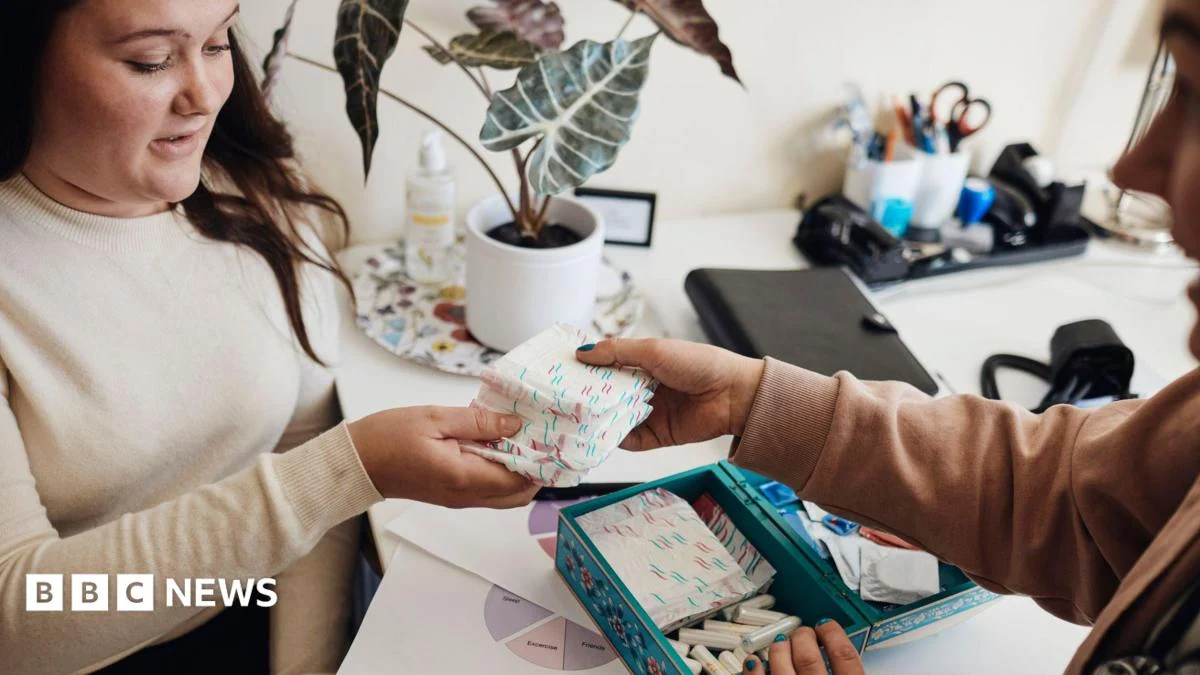
The generational divide in menstrual health education is a pervasive issue, echoed by advocates across the country. Caroline Herman, co-founder of ‘All Yours Period Box’ with her daughter, operates in Wiltshire, a social enterprise dedicated to donating period products to food banks. Her work on the ground has given her direct insight into the profound impact of this educational deficit. Herman firmly believes there is "a huge amount of work to be done" to improve menstrual health education across the board.
"We have a generational gap in the country," Herman stated, highlighting a systemic issue that has left entire cohorts of women inadequately informed about their own bodies. "We have generations like mine where we weren’t taught anything to do with our periods and then there’s our parents – there was this layer of silence that we’ve had to fight our way through." This "layer of silence" has had far-reaching implications, contributing to delayed diagnoses, mismanaged symptoms, entrenched stigma, and a lack of self-advocacy among women. Without foundational knowledge, individuals are less equipped to recognize symptoms, articulate their concerns to doctors, or understand the various treatment options available to them.
The implications of this historical silence extend beyond individual health outcomes. A lack of comprehensive menstrual health education can perpetuate cycles of misinformation, contribute to period poverty, and hinder advancements in research and public health initiatives. When periods and associated conditions like PMOS are treated as taboo subjects, it becomes challenging to secure adequate funding for research, implement effective public health campaigns, or integrate robust education into school curricula.
Addressing this generational gap requires a multi-pronged approach. Firstly, there is an urgent need for comprehensive, age-appropriate menstrual health education in schools, starting from primary levels. This education should go beyond basic biology to include information on common conditions like PMOS, endometriosis, and fibroids, as well as the emotional and psychological aspects of menstruation. Such programs can empower young people with knowledge, reduce stigma, and foster an environment where health concerns can be openly discussed.
Secondly, public awareness campaigns are crucial for demystifying conditions like PMOS and promoting open dialogue among all age groups. These campaigns can leverage various media channels to reach diverse audiences, providing accurate, accessible information about symptoms, diagnosis, and management. By normalizing conversations around reproductive health, these initiatives can encourage earlier intervention and better health-seeking behaviors.
Thirdly, healthcare professionals play a pivotal role. Continuous medical education for doctors, nurses, and allied health professionals is essential to ensure they are equipped with the latest knowledge on PMOS and other gynecological conditions. This includes training on recognizing subtle symptoms, offering patient-centered care, and effectively communicating complex medical information in an empathetic and culturally sensitive manner. Early and accurate diagnosis remains a significant challenge for PMOS, often taking years due to the variability of symptoms and sometimes a lack of awareness among frontline medical staff.
Finally, the responsible use of digital platforms and social media must be encouraged. While Iqra Wasim rightly cautioned against replacing medical professionals with online sources, the positive potential of social media for awareness, community building, and peer support is undeniable. Platforms can serve as forums for sharing personal stories, breaking down isolation, and directing individuals towards credible medical resources. However, users must be educated on how to critically evaluate online information and prioritize evidence-based advice from qualified health experts.
The journey of understanding and managing PMOS, as exemplified by Iqra Wasim’s story, reflects a broader societal evolution in how women’s health is perceived and discussed. From the "layer of silence" that defined previous generations to the open, digitally-enhanced dialogues of today, there is a clear trajectory towards greater awareness and empowerment. Yet, the work is far from complete. Bridging the generational knowledge gap in menstrual health education, fostering informed self-advocacy, and ensuring equitable access to accurate information and professional medical care remain critical objectives for building a healthier, more informed future for all women.
