
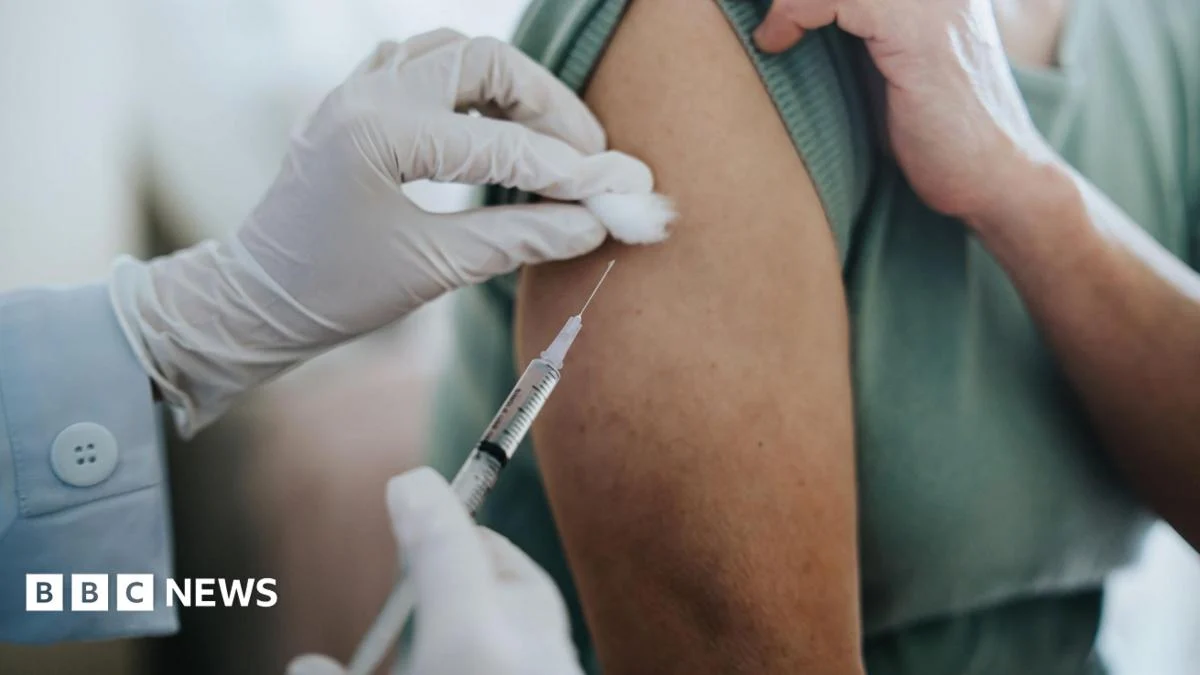
A groundbreaking personalized mRNA vaccine, when combined with an established immunotherapy, has demonstrated significant success in preventing the return of high-risk melanoma, marking a potentially transformative advance in cancer treatment.
This pivotal development emerges from a large-scale clinical trial where patients with high-risk melanoma, following surgical removal of their tumors, received a novel vaccine in conjunction with an existing immunotherapy drug. The early findings indicate a substantial extension in the period patients remained cancer-free, signaling a significant step forward in the battle against one of the most aggressive forms of skin cancer and offering a new paradigm for tailored oncology.
A New Frontier in Cancer Immunotherapy
The landscape of cancer treatment is continually evolving, driven by innovations that harness the body’s own defenses against disease. A recent phase three clinical trial has unveiled compelling results for a personalized mRNA vaccine, developed collaboratively by pharmaceutical giants Merck and Moderna, in combination with Merck’s established immunotherapy drug, Keytruda (pembrolizumab). This dual-pronged approach has shown remarkable efficacy in preventing the recurrence of high-risk melanoma, a type of skin cancer known for its aggressive nature and propensity to spread.
The trial’s interim findings, though yet to undergo full peer review, have been hailed by cancer experts as a potential watershed moment. For patients who have undergone surgery for stage two, three, or four melanoma—ranging from large localized tumors to those that have metastasized to regional lymph nodes or distant organs—the prospect of a treatment that significantly reduces the risk of recurrence and systemic spread offers immense hope.
The Science Behind Personalization: mRNA Technology Meets Oncology
At the heart of this innovation lies a personalized vaccine, designated Intismeran, which leverages the same cutting-edge mRNA technology famously deployed in some COVID-19 vaccines. However, its application in oncology represents a distinct and sophisticated evolution. Unlike vaccines designed to prompt an immune response against an external pathogen, this cancer vaccine is meticulously tailored to an individual patient’s unique tumor.
The process begins with the surgical removal of a patient’s tumor. A small sample of this tumor tissue is then subjected to advanced genomic sequencing to identify specific mutations—also known as neoantigens—that are unique to that individual’s cancer cells. These neoantigens are essentially molecular flags that differentiate cancer cells from healthy cells. Based on this precise genetic blueprint, a bespoke mRNA vaccine is engineered.
When administered, this personalized mRNA vaccine instructs the patient’s immune system to recognize these specific neoantigens. This effectively "trains" the immune cells, particularly T-cells, to identify and target any residual tumor cells carrying these mutations, preventing them from proliferating and causing a relapse. It’s a highly targeted strike, designed to eradicate microscopic disease that conventional surgery or chemotherapy might miss.
Synergistic Power: Vaccine and Immunotherapy Combined
The true power of this new treatment lies in its combination with Keytruda, an anti-PD-1 immunotherapy drug that has already revolutionized the treatment of various cancers, including melanoma. Keytruda works by blocking the PD-1 protein on immune cells, which cancer cells often exploit to evade detection and destruction by the immune system. By disabling this "off switch," Keytruda effectively unleashes the immune system, allowing it to mount a more robust attack against cancer.
When the personalized mRNA vaccine and Keytruda are administered together, their mechanisms are thought to be synergistic. The vaccine primes and educates the immune system to recognize the specific enemy (the patient’s unique cancer cells), while Keytruda removes the brakes, allowing this newly educated immune army to attack with full force. This combined strategy has proven significantly more effective than Keytruda alone in extending the duration patients remained cancer-free and substantially reducing the risk of the disease spreading to other vital organs.
The phase three trial encompassed over 1,000 patients, covering a broad spectrum of high-risk melanoma stages. This large cohort provides robust data supporting the interim findings, suggesting the treatment’s potential applicability across a significant patient population.
Expert Perspectives and Broader Implications
The announcement has garnered enthusiastic yet cautious responses from the oncology community. Stephane Bancel, chief executive of Moderna, characterized the findings as a "pivotal moment" in cancer research, a sentiment echoed by the market, as shares in both Moderna and Merck surged following the news.
Dr. Talisia Quallo, head of prevention and early detection at Cancer Research UK, acknowledged the "promise" of the research, emphasizing the critical need for continued funding to develop personalized treatment options that can extend and improve the lives of cancer patients. Her call highlights the broader vision for oncology: moving away from one-size-fits-all treatments towards therapies tailored to individual patient biology.
Dr. Lennard Lee, a consultant medical oncologist and associate professor at the University of Oxford, underscored the profound implications beyond melanoma. "This is certainly good news for patients with melanoma, but the study has much wider implications. It provides proof of principle that personalized cancer vaccines work," he stated. This "proof of principle" is crucial, as it validates a therapeutic strategy that could potentially be applied to a multitude of other cancers. Indeed, Merck and Moderna are already exploring similar personalized vaccine approaches for lung, bladder, and kidney cancers, hinting at a future where individualized immunotherapy becomes a cornerstone of cancer care across various tumor types.
The Path Forward: Hurdles and Hope
While the initial results are undeniably exciting, experts urge a balanced perspective. The data presented are interim, and the full trial results have yet to be released or subjected to the rigorous process of peer review, where independent experts scrutinize the methodology and findings for validity and reliability. This is a standard and essential step in validating any significant medical breakthrough.
Beyond peer review, the treatment faces several regulatory hurdles. Before it can be made available to patients, it will need to secure approval from major regulatory bodies such as the U.S. Food and Drug Administration (FDA), the European Medicines Agency (EMA), and potentially the UK’s Medicines and Healthcare products Regulatory Agency (MHRA). Following regulatory clearance, further approval processes, such as those required for inclusion in national healthcare systems like the NHS, would be necessary to ensure its accessibility to the wider public.
Challenges also remain in the practical implementation of such a highly personalized therapy. The process of tumor sequencing, neoantigen identification, and bespoke vaccine manufacturing is complex and resource-intensive. Scaling this process to meet the needs of a large patient population, ensuring timely delivery, and managing the associated costs will be significant undertakings. Furthermore, long-term efficacy and safety data are still needed to fully understand the duration of response and any potential delayed side effects.
Despite these necessary caveats, the successful application of personalized mRNA technology in preventing cancer recurrence represents a monumental leap. It signifies a potential paradigm shift in how we approach cancer treatment, moving closer to a future where therapies are not only more effective but also precisely tailored to the unique genetic fingerprint of each patient’s disease. The integration of advanced genomic sequencing with sophisticated immune-modulating agents offers a powerful new weapon in the oncologist’s arsenal, promising a future with fewer recurrences and improved outcomes for countless patients battling cancer.
