
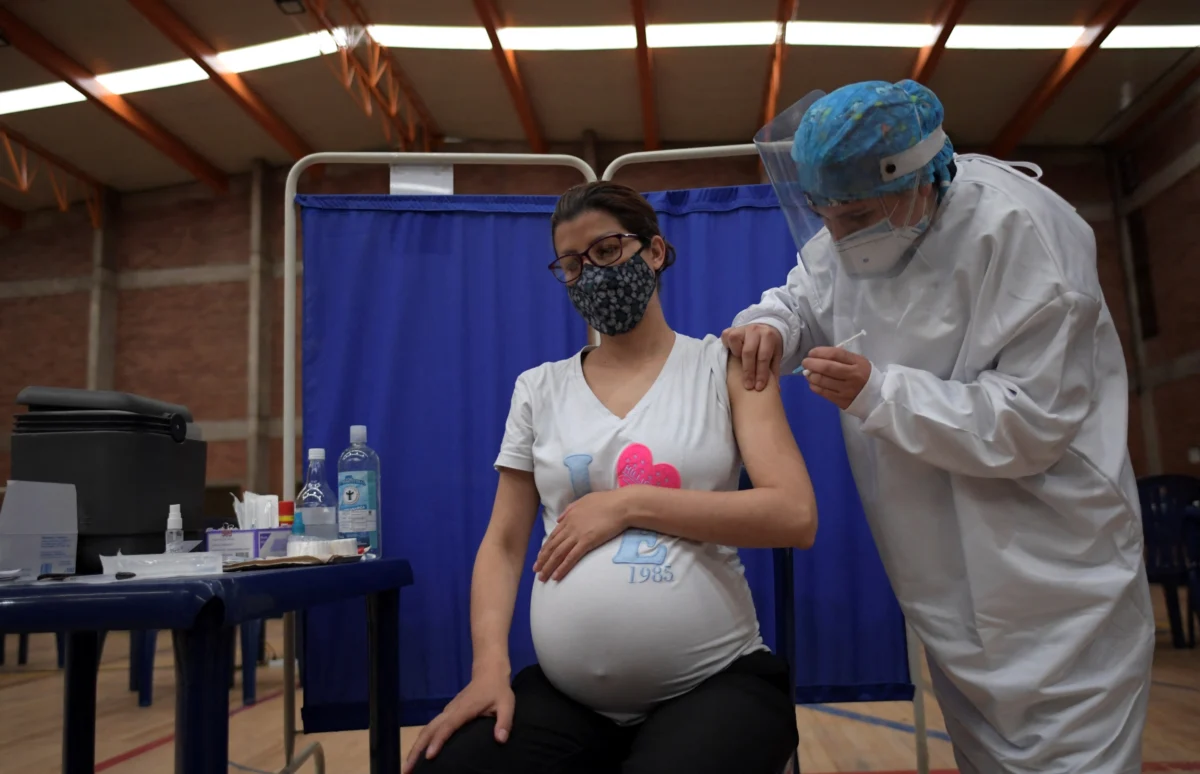
"Maternal RSV vaccination demonstrates significant real-world effectiveness, offering robust protection for infants against severe respiratory illness during their most vulnerable early months."
A comprehensive national study conducted in Australia has provided compelling real-world evidence on the efficacy of respiratory syncytial virus (RSV) vaccination during pregnancy, revealing a longer-lasting protective window for newborns than previously estimated. The findings, published in JAMA Pediatrics, underscore the vaccine’s crucial role in safeguarding infants against severe RSV-associated lower respiratory tract disease in the critical period before they can receive their own vaccinations.
The STREETON study, a significant observational research initiative led by The Kids Research Institute Australia, analyzed data from 1,012 infants aged six months or younger who were hospitalized with acute respiratory infections. These hospitalizations occurred across nine Australian hospitals between March 2025 and February 2026, providing a broad and representative sample of the pediatric population experiencing severe respiratory illness. The study’s detailed methodology and extensive data collection offer valuable insights for expectant parents and healthcare providers grappling with decisions about infant protection against RSV.
Understanding the Effectiveness: Beyond the Headline Percentage
For expectant parents, particularly those in the United States anticipating a fall birth, the true value of this study lies not just in the headline effectiveness percentage, but in the specific endpoint measured and the age range covered. These details are crucial for determining the applicability of the findings to individual circumstances and decision-making processes.
The study meticulously measured the vaccine’s effectiveness in preventing hospitalization for RSV-associated lower respiratory tract disease. This clinical category encompasses serious conditions like bronchiolitis and pneumonia, which frequently necessitate oxygen support for infants. It is important to clarify that the study did not aim to determine if vaccinated mothers’ babies completely avoided any form of RSV infection. Instead, the focus was on preventing the severe manifestations that lead to hospitalization.
Employing a test-negative case-control design, the researchers meticulously analyzed the data. The results indicate that maternal RSV vaccination was 77.8 percent effective in preventing hospitalization for RSV-associated lower respiratory tract disease through the first six months of an infant’s life. Furthermore, the vaccine demonstrated even higher efficacy against more severe outcomes: 80.4 percent effective against hospitalization for severe lower respiratory tract disease, and 80.8 percent effective against hospitalization for RSV-associated acute respiratory illness.
To further illustrate the impact, the study found that among all infants hospitalized with respiratory illness, a substantial 32 percent of those born to unvaccinated mothers had developed lower respiratory tract disease. In stark contrast, only 17 percent of infants whose mothers had received the RSV vaccine developed this condition. Maternal vaccination was defined in the study as the administration of the RSVpreF vaccine at least 14 days prior to delivery, a critical detail for understanding the timing of protective antibody transfer.
Protection Peaks in the Crucial Early Weeks
The age breakdown of the study’s findings carries particular weight for parents. The protective effect of the maternal vaccine was most pronounced in the earliest weeks of an infant’s life. Among infants aged two months and younger, the effectiveness against hospitalization for lower respiratory tract disease surged to an impressive 86.3 percent. This high level of protection extended through the first three months, with an effectiveness of 80.2 percent, gradually decreasing towards the overall six-month figure of 77.8 percent.
This protective gradient aligns precisely with the known epidemiology of RSV. The highest incidence of RSV hospitalizations typically occurs within the first three months of life, a period when infants’ airways are at their narrowest, rendering them particularly susceptible to severe outcomes. Globally, RSV remains a leading cause of lower respiratory tract disease in infants, making early protection paramount.
The observed pattern of stronger protection in the initial weeks that gradually wanes over six months is biologically expected. Maternal vaccination functions by transferring antibodies from the mother to the fetus across the placenta. These maternally derived antibodies provide passive immunity, but their levels naturally decline in the infant over time. Therefore, a single effectiveness figure encompassing a six-month period can potentially understate the crucial protection afforded during the most critical early weeks and overstate it later in the window.
Dr. Ushma Wadia, a distinguished clinician-scientist at the Wesfarmers Centre of Vaccines and Infectious Diseases and a pediatrician at Perth Children’s Hospital, commented on the significance of these findings. She stated that the results represent "some of the strongest real-world evidence demonstrating that maternal RSV vaccination is working" in Australia, highlighting the vaccine’s tangible impact in a clinical setting.
Flexibility in Vaccination Timing Offers Practical Advantages
A secondary but highly valuable finding from the STREETON study pertains to the flexibility of vaccination timing within the recommended window. The research indicated that the vaccine’s effectiveness remained largely consistent, irrespective of when the maternal vaccine was administered within the recommended gestational period. This held true whether there was a longer interval between vaccination and delivery or if the RSVpreF vaccine was administered concurrently with other routine maternal vaccines.
This finding directly addresses a common concern among expectant parents: the potential for reduced efficacy when combining the RSV vaccine with other scheduled immunizations during pregnancy. The analysis demonstrated that co-administration did not diminish the RSV vaccine’s protective effect, offering a practical benefit by supporting its administration during routine antenatal appointments rather than necessitating an additional visit. This streamlines the vaccination process for pregnant individuals and potentially increases uptake.
However, it is crucial to acknowledge two key caveats when applying these findings to the United States context. Firstly, Australia’s national program funds maternal RSV vaccination from 28 weeks of gestation, whereas the U.S. FDA-approved label specifies administration between 32 and 36 weeks of gestation. Secondly, Australia offers the vaccine year-round due to varying RSV circulation patterns across its regions, while the United States typically observes a defined seasonal window for RSV. Consequently, pregnant individuals in the U.S., such as those in Chicago or Atlanta, should adhere to U.S. recommendations and consult with their obstetric provider for personalized guidance, rather than directly adopting the Australian schedule.
Bridging Australian Insights to the U.S. Season
It is essential to approach the interpretation of this observational study with a clear understanding of its design and potential limitations. As an observational study, it differs from a randomized controlled trial. The test-negative design, which compares vaccination rates between infants who test positive for RSV and those who do not, can be influenced by unmeasured differences between families who choose to vaccinate and those who do not. The effectiveness figures derived from this design represent estimates of protection and should not be interpreted as definitive proof of a causal effect in any individual child.
The STREETON study was conducted within the framework of Australia’s RSV Maternal and Infant Protection Program, which integrates maternal vaccination with jurisdiction-funded nirsevimab administration for infants. The interplay between these two preventive strategies can make it challenging to definitively isolate the independent contribution of each product. Furthermore, the study is registered as a Pfizer-sponsored trial, and Pfizer is the manufacturer of the RSVpreF vaccine. While independent peer review is a critical component of scientific validation, it does not entirely negate the influence of sponsorship. Researchers involved have indicated their commitment to continued evaluation of effectiveness over time with larger sample sizes, including analyses of infant subgroups and data extending beyond the six-month mark.
The findings from the STREETON study are consistent with existing evidence from the United States. A recent analysis from the University of Pittsburgh and UPMC, published in JAMA Network Open, also linked maternal RSV vaccination to a reduction in RSV-related hospitalizations among infants younger than 90 days. Current U.S. recommendations for maternal RSV vaccination remain unchanged by the Australian study. Independent summaries of the effectiveness estimates have similarly concluded that the U.S. recommendations do not warrant alteration based on this new data.
MedicalDaily previously reported that expectant parents in the U.S. have two primary avenues for protecting a newborn before the RSV season begins: the maternal vaccine administered during pregnancy, or a long-acting monoclonal antibody administered to the infant after birth. For the majority of infants, only one of these preventive measures is typically recommended, with the choice often guided by factors such as timing and accessibility.
Pregnant individuals are encouraged to discuss the optimal timing of RSV vaccination with their healthcare provider during their next prenatal visit. Parents of newborns should consult their pediatrician regarding the indication for the infant monoclonal antibody, particularly if the maternal dose was missed or administered less than 14 days before delivery. In any infant exhibiting signs of respiratory distress, such as difficulty breathing, rapid or labored breathing, poor feeding, a decrease in wet diapers, or bluish discoloration around the lips, urgent medical evaluation is imperative, regardless of the protective measures received.
