
"A rare confluence of four distinct disease-causing organisms has been identified in a single food product, prompting urgent public health warnings and raising serious questions about food safety protocols in sprout production."
Health authorities in Minnesota and Wisconsin are grappling with a highly unusual foodborne illness outbreak linked to alfalfa sprouts, involving not one, but four separate and dangerous pathogens. This complex scenario, where individuals who consumed the same product have fallen ill with Salmonella and multiple strains of Shiga toxin-producing E. coli (STEC), is considered exceptionally rare by food safety investigators. The ongoing investigation highlights systemic vulnerabilities in the sprout industry, where conditions ideal for germination can also foster the unchecked growth of harmful bacteria.
The Minnesota Department of Health and the Minnesota Department of Agriculture issued a joint advisory on Thursday, strongly urging residents to discard any alfalfa sprouts sold under the Calco and Everything Sprouts brands. The severity of the situation is underscored by the fact that 23 Minnesotans have fallen ill between July 8 and August 8, with diagnoses including Salmonella, various strains of STEC, or a combination of both. Of those affected, two required hospitalization, though fortunately, no fatalities have been reported.
Simultaneously, Wisconsin health officials confirmed 17 illnesses linked to the same sprout brands, with one hospitalization. The Wisconsin Department of Health Services echoed the public health warning, advising residents to "check homes for alfalfa sprouts from Everything Sprouts and Calco." While minor discrepancies in case counts are common due to differing data cut-off times between agencies, the combined figure suggests a significant number of individuals have been impacted. Health officials emphasize that the reported numbers represent a minimum, with involvement from other states currently being investigated. The practical advice for households is immediate: inspect refrigerators and dispose of any sprouts bearing either brand name without delay, given their refrigerated nature and short shelf life.
The Unfolding Pathogen Landscape
The complexity of this outbreak stems from the presence of multiple pathogens, a departure from the typical foodborne illness investigation which usually centers on a single germ. The detailed breakdown of Minnesota’s 23 cases reveals the intricate nature of the contamination. According to reports, three patients tested positive for Salmonella, with one of those also co-infected with a strain of E. coli identified as STEC O168:H8. An additional seven individuals were sickened by STEC O103:H25, and thirteen more by STEC O26:H11. The fact that one patient was infected with two distinct organisms simultaneously highlights the pervasive and unusual nature of the contamination.
Bill Marler, a prominent attorney specializing in foodborne illness litigation, noted the extreme rarity of such a scenario. "It’s very unusual to have two bugs," Marler commented to the Associated Press, emphasizing that the presence of four distinct organisms in a single product is even more uncommon. This multi-pathogen profile significantly narrows the plausible explanations for contamination. Unlike a single contaminated seed lot that would typically harbor one organism, the presence of several distinct pathogens suggests contamination occurred earlier in the supply chain or persisted within the growing environment. Investigators are consequently broadening their examination to include seed sourcing, irrigation water quality, and the overall sanitation of the sprouting facility, rather than focusing on a single batch.
However, the precise origin of the contamination remains elusive. As of Thursday, health department spokespeople confirmed that no official recall had been initiated. The lag time in reporting, where it can take two to four weeks for pathogens to move from a sick individual into state databases, means that illnesses occurring in the current week may not yet be reflected in the official tallies. For context, Minnesota typically records around 1,000 Salmonella infections and approximately 85 STEC infections from relevant serogroups annually. This outbreak, even with preliminary numbers, significantly exceeds these baseline figures, underscoring the scale of the public health concern.
Everything Sprouts, a wholesale sprout and microgreen grower based in Minneapolis, has been identified as the source. The company was formed through the merger of Calco Sprouts, established in 1991, and Pyramid Sprouters, explaining the dual branding on the implicated products. Grocery chains including Cub, Kowalski’s, and Jerry’s were among those that carried the contaminated sprouts.
Inherent Risks in Sprout Production
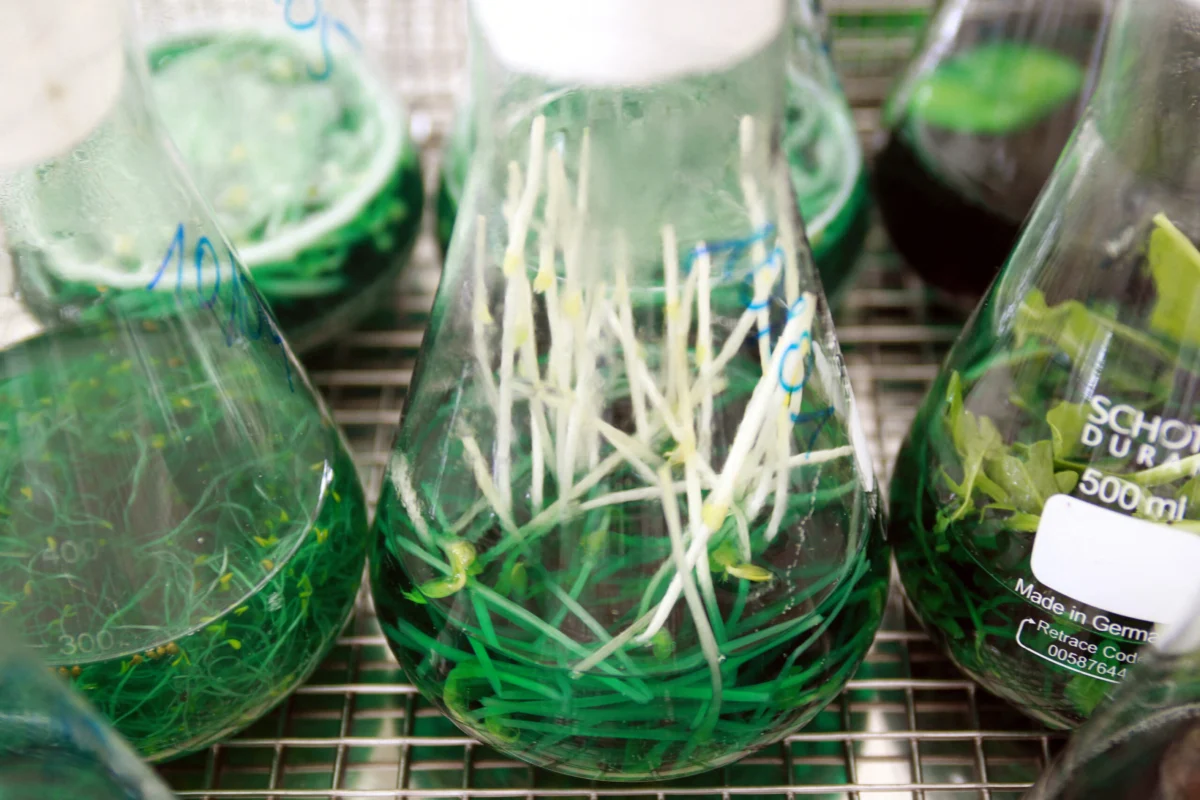
The propensity of sprouts to be implicated in foodborne illness outbreaks is a long-standing issue, rooted in the fundamental nature of their production. For over three decades, the same structural factors have contributed to recurring problems. The process of germinating seeds requires warm, humid conditions with continuous moisture, precisely the environment that, as the FDA guidance for sprout growers explicitly states, is "also ideal for the growth of pathogens, if present." A small number of bacteria on a seed can multiply exponentially during the germination phase.
Compounding this risk is the absence of a "kill step" in the sprout production and distribution chain. Sprouts are intended to be consumed raw, meaning no heating or processing step reliably eliminates any pathogens present on the seeds. While washing may remove some surface contaminants, it is insufficient to eradicate bacteria that have penetrated the seed or multiplied within the sprout itself.
Data from the U.S. Food and Drug Administration (FDA) paints a stark picture of the historical impact of sprout-related outbreaks. Between 1996 and 2020, the FDA documented 52 outbreaks linked to sprouts, resulting in at least 2,700 illnesses, 200 hospitalizations, and three deaths. The pathogens involved have spanned a range of common foodborne threats, including Salmonella, Listeria, E. coli O157:H7, and various non-O157 strains such as O26 and O103 – both of which are present in the current outbreak. Historically, alfalfa sprouts have been the most frequent source of these outbreaks.
The FDA’s guidance on sprout production outlines two primary avenues of investigation in such cases: contaminated seed and the sanitary conditions within the sprouting operation. While contaminated seed has historically been the most common culprit, poor sanitation and unhygienic practices within the facility can also play a significant role.
A History of Regulatory Scrutiny
Adding a layer of concern to the current outbreak is the fact that Everything Sprouts had previously come under scrutiny from federal regulators. In March 2025, the FDA issued a warning letter to the company following an inspection conducted in late 2024. Although the warning letter pertained to mung bean, soybean, and green sprout products – distinct from the alfalfa sprouts in the current outbreak – the documented conditions were facility-wide and indicative of systemic issues.
The FDA’s findings detailed a series of insanitary conditions. Investigators observed significant roof leaks in the production area, with water dripping onto exposed sprouts during packaging. A second roof leak was noted in the warehouse, near clean smocks. Condensate dripped from internal cooler units and from the overhead irrigation system directly onto sprouts in growing cabins. Additionally, investigators found black organic matter built up on an irrigation hose that ran over exposed soy sprouts, and torn plastic sheeting repaired with tape, with sprouts adhering to the tape.
Alarmingly, dripping condenser units had been a recurring issue at the same facility, observed during FDA inspections in 2023 and 2018, even when the operation was under different ownership. In response to the 2025 warning letter, Everything Sprouts submitted corrective action plans. However, the FDA stated it could not adequately assess their adequacy, noting the company rented the building and the landlord was responsible for roof repairs as a long-term project with no definitive timeline. The agency indicated it would evaluate the corrective actions at its next inspection. The details of any subsequent reinspection and its findings have not been publicly disclosed. It is crucial to note that the FDA has not yet linked these 2024 findings to the current outbreak, and the source of contamination remains an active investigation. This documented history and the ongoing questions about follow-up actions are presented as factual context and an open inquiry, not as a definitive assignment of fault in the current outbreak.
Understanding the Symptoms and Seeking Medical Care
The distinct nature of the pathogens involved means that individuals who may have consumed these sprouts need to be aware of varying symptom onset and severity. Salmonella infections typically manifest within 12 to 96 hours after exposure, characterized by diarrhea, abdominal pain, and fever. Most individuals recover within four to seven days.
STEC infections, on the other hand, usually appear two to five days after exposure. Symptoms commonly include severe stomach cramps and diarrhea, which is often bloody, and typically accompanied by little to no fever. Recovery for STEC infections generally occurs within five to seven days.
A critical complication to monitor, particularly following STEC infections, is hemolytic uremic syndrome (HUS), a severe form of acute kidney failure. HUS typically develops about a week after diarrhea begins, often as the diarrheal symptoms start to improve. Warning signs include decreased urination, unusual tiredness or paleness, easy bruising, and swelling of the face, hands, or feet. Children under five years old, adults over 65, and individuals with compromised immune systems are at the highest risk for developing HUS.
Prompt medical attention is advised for anyone experiencing bloody diarrhea, diarrhea lasting more than three days, a fever exceeding 102 degrees Fahrenheit, vomiting that prevents the retention of liquids, or signs of dehydration. It is imperative to inform the clinician specifically about the consumption of alfalfa sprouts. In suspected STEC infections, antibiotics are generally avoided as they may increase the risk of kidney complications; this decision should be made by a medical professional.
The Minnesota and Wisconsin health departments are collaborating with the Centers for Disease Control and Prevention (CDC) and the FDA, along with other state health agencies, to thoroughly investigate the source and extent of the contamination.
Key Questions Answered
-
What immediate action should be taken? Consumers are strongly advised to check their refrigerators for alfalfa sprouts labeled under the Calco or Everything Sprouts brands and discard them immediately. Do not consume these products.
-
How many individuals are affected? As of the latest reports, 23 people in Minnesota and 17 in Wisconsin have fallen ill. Two were hospitalized in Minnesota, and one in Wisconsin. Minnesota’s count credits Wisconsin with 18 cases, and involvement from other states is also being investigated.
-
What specific pathogens are involved? The outbreak involves Salmonella alongside three distinct strains of Shiga toxin-producing E. coli: O168:H8, O103:H25, and O26:H11.
-
Has a recall been issued? As of Thursday, health officials stated that no recall had been initiated.
-
Why are sprouts frequently linked to outbreaks? The conditions necessary for sprouting seeds—warm, moist environments—are also ideal for bacterial growth. Furthermore, sprouts are consumed raw, meaning there is no "kill step" in the process to eliminate contamination.
-
What symptoms should individuals watch for? Salmonella symptoms, appearing within 12 to 96 hours, include diarrhea, abdominal pain, and fever. STEC symptoms, emerging within two to five days, typically involve severe cramps and often bloody diarrhea.
-
When should medical assistance be sought urgently? Seek prompt medical evaluation for bloody diarrhea, decreased urination, unusual paleness or fatigue, easy bruising, or swelling of the face or hands.
