
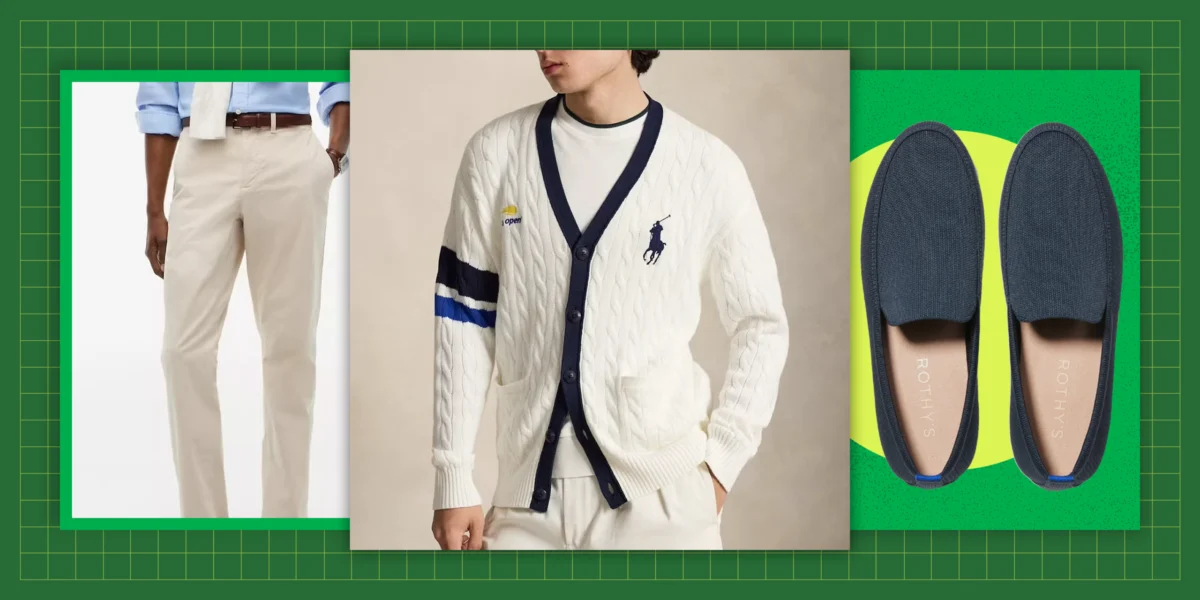
"As the US Open evolves into a premier cultural intersection of sport and high-society style, dressing for the occasion requires a strategic balance of technical performance and sartorial elevation."

The US Open is no longer merely a Grand Slam tournament; it has transformed into a global cultural phenomenon often described as the "Coachella of tennis." Held annually at the USTA Billie Jean King National Tennis Center in Flushing Meadows, New York, the event demands a wardrobe that can withstand the oppressive humidity of a New York summer while satisfying the increasingly "scene-heavy" atmosphere of the stadium’s luxury suites. Navigating this environment requires a nuanced understanding of how to transition from the casual, athletic-focused early rounds to the prestigious, high-stakes fashion of the championship finals.

The Evolution of Tennis-Core and Tournament Culture
The concept of "Tennis-core" has moved from the niche world of country clubs into the mainstream fashion zeitgeist. Historically, tennis attire was defined by rigid codes—all-white garments, stiff cotton piques, and canvas shoes. However, the modern US Open spectator must account for a sprawling campus where one might walk miles between the outer courts and Arthur Ashe Stadium. This shift has necessitated a hybrid approach to dressing: performance-infused gear that fights the elements without sacrificing the aesthetic of a sophisticated New York sporting event.

Because the tournament spans two weeks, the "correct" attire is a moving target. What works for an early-round match on a side court at 2:00 PM will feel woefully inadequate for a celebrity-studded night session or the high-glamour atmosphere of the Men’s Final. The key to a successful tournament wardrobe is a progression in formality, starting with breathable basics and culminating in unstructured tailoring.

The Early Rounds: Combatting the New York Heat
The first week of the US Open is a test of endurance for players and fans alike. Late August and early September in New York City are characterized by "heat domes" and high humidity. For spectators trekking across the grounds to catch rising stars on the outer courts, the priority is moisture management and odor control.

Performance brands like Wilson have become staples for this phase of the tournament. The Wilson Game Point Seamless Tee, for instance, utilizes advanced knitting techniques to eliminate seams that cause chafing, while the fabric itself is engineered to ventilate heat. Pairing these technical tops with a structured yet flexible bottom, such as the Wilson Volley Short, ensures that the wearer looks intentional rather than like they are headed to a local gym.

Footwear in the early rounds is equally critical. The grounds at Flushing Meadows are expansive, and the asphalt retains heat. Heritage brands like Lacoste have leaned into this by releasing court-inspired sneakers, such as the Slam Break Leather Sneakers. These provide the necessary support for a day of walking while maintaining a clean, classic silhouette that transitions easily to an evening dinner in Manhattan. Similarly, the collaboration between On and Roger Federer has produced "The Roger Clubhouse" sneaker, which blends high-performance Swiss engineering with a retro aesthetic that pays homage to the 1980s pro circuit.

Night Sessions: The Arthur Ashe Atmosphere
When the sun sets and the lights of Arthur Ashe Stadium flicker on, the energy of the US Open shifts. The night sessions are the tournament’s most prestigious tickets, drawing a crowd of athletes, actors, and industry titans. This is the environment where "elevated casual" becomes the mandatory dress code.

The strategy for night sessions revolves around lightweight layers. Even if the day was sweltering, the stadium can become breezy, and the air-conditioned suites are often chilly. Ralph Lauren, the official outfitter of the US Open, consistently sets the bar with its tournament-specific collections. A standout piece for the evening is the US Open Cable-Knit Umpire Cardigan. It serves as a sartorial nod to the history of the game while providing the perfect weight for a New York evening.

Underneath layers, the classic polo remains king. The Lacoste x Novak Djokovic collection offers a professional-grade polo that uses ultra-dry pique to keep the wearer cool under the pressure of the crowd. To ground the look, men are increasingly turning to technical trousers rather than denim. The Lululemon ABC Classic-Fit Trouser, made from their proprietary Warpstreme fabric, provides the four-way stretch of athletic gear with the visual profile of a traditional chino.

Footwear for the night should be slightly more refined but still prioritize comfort. Cole Haan’s GrandPrø Packwell Sneakers are a prime example of this hybrid category—they are incredibly lightweight and packable, making them ideal for the commuter or the traveler attending the tournament from out of town. Finishing the look with a lightweight bomber, such as a cotton-linen blend from Vince, adds a final layer of sophistication that distinguishes a true enthusiast from a casual observer.

The Finals: Embracing the Championship Prestige
The championship weekend represents the pinnacle of the tennis calendar. The atmosphere is electric, and the crowd—including the "Sunday Best" of the New York elite—reflects the gravity of the moment. For the finals, the goal is to achieve a polished, "preppy" look without the discomfort of a traditional suit.

A knit blazer is the ultimate weapon for the finals. Unlike a structured wool suit jacket, a knit blazer—like those offered by Bonobos—is unlined and breathable. It provides the silhouette of a formal jacket but feels as comfortable as a sweatshirt. This is best worn over an elevated base layer, such as a crisp Sunspel classic T-shirt or a high-quality organic cotton Oxford from J.Crew.

In this setting, the choice of trousers should lean toward the classic. Tommy Hilfiger’s Straight Flex Chinos offer a timeless American look with just enough elastane to ensure comfort through a five-set marathon match. The color palette typically sticks to neutrals: navy, stone, and the occasional "tennis green" or "clay orange."

Finally, footwear for the finals should move away from the sneaker and toward the loafer. However, the modern loafer has also seen a technical revolution. Rothy’s Ravello Loafers are woven from sustainable materials and are entirely machine-washable, making them a practical choice for an event where the famous "Honey Deuce" cocktail is frequently in hand. They offer the breathability of a sandal with the formality of a dress shoe, ensuring your "dogs won’t bark" by the time the trophy ceremony begins.

The Impact of Brand Partnerships on Fan Identity
The fashion of the US Open is inextricably linked to the brands that sponsor the event. Ralph Lauren’s long-standing partnership has created a feedback loop where the spectators’ style influences the official merchandise and vice versa. This year’s collection, featuring bold graphics and heritage-inspired knitwear, encourages fans to see themselves as part of the tournament’s history.

Moreover, the rise of "quiet luxury" has influenced how men shop for the Open. Rather than loud logos, the trend is toward high-quality fabrics—long-staple cotton, Italian linen, and technical synthetics—that perform well and last for years. This sustainability-minded approach means that a US Open wardrobe isn’t just for a two-week window in Queens; these pieces are versatile enough for summer weddings, business-casual offices, and weekend getaways.

Conclusion: A Strategic Approach to Courtside Style
Attending the US Open is a marathon of sensory experiences, from the roar of the crowd to the smell of the pristine courts. Your clothing should enhance that experience, not detract from it. By following a tiered approach—prioritizing performance in the heat, layering for the evening, and opting for unstructured tailoring for the finals—you can navigate the grounds with the confidence of a seasoned pro.

Ultimately, the best US Open outfit is one that respects the traditions of the sport while embracing the modern innovations of menswear. Whether you are sipping a cocktail in a luxury suite or cheering from the upper promenade, the right gear ensures you look the part of a true connoisseur of the game. As the tournament continues to grow in stature and "scene-iness," your wardrobe is your best tool for keeping pace with the fastest-moving event in sports.
