
"If your biomarkers improve but your experience of being alive remains unchanged, have you truly optimized your health or merely curated a statistical version of a future self you may never meet?"
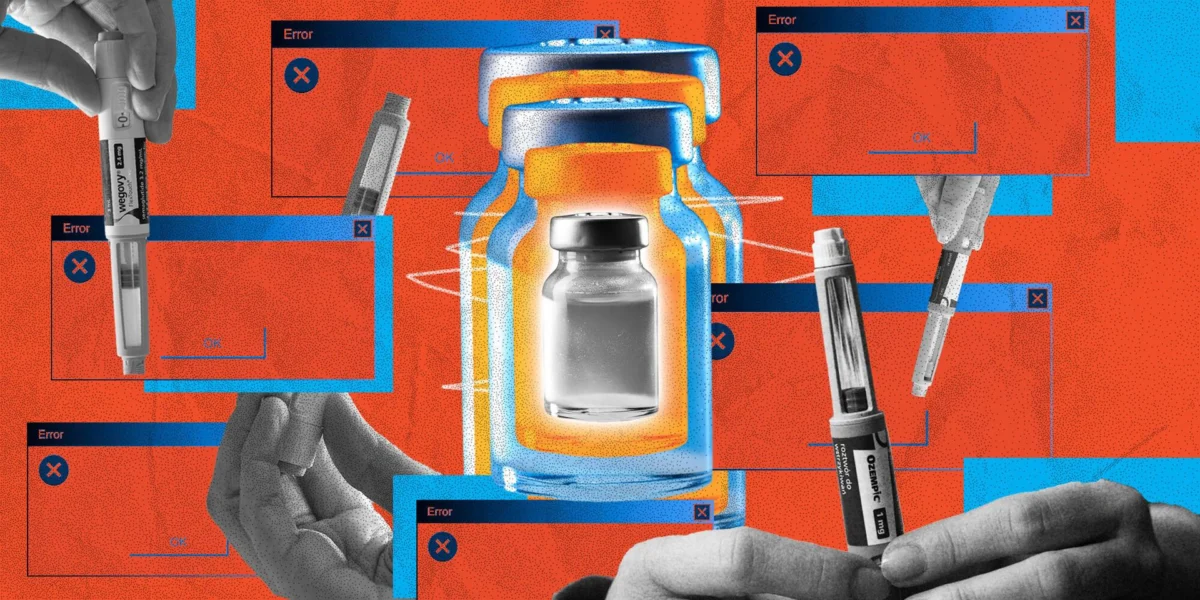
This central tension defines a new frontier in the longevity movement: the use of sub-therapeutic doses of GLP-1 agonists—medications like Ozempic and Wegovy—not for dramatic weight loss, but as a surgical tool to quiet systemic inflammation. While these drugs have become cultural shorthand for aesthetic transformation, emerging research and anecdotal evidence suggest their most profound impact may lie in their ability to suppress the invisible, low-grade biological alarms that lead to chronic disease.
The modern landscape of self-optimization is increasingly defined by the "microdose." This philosophy of "less is more" has transcended its origins in the psychedelic community, where tiny amounts of psilocybin are used to enhance mood and creativity without the hallucinogenic trip. Today, the concept is being applied across a startlingly broad spectrum of health interventions. Individuals are microdosing Accutane to shrink oil glands and refine skin texture, taking low-dose doxycycline to manage the vascular reactivity of rosacea, and even applying the principle to physical training through "plyometric snacking"—short, explosive bursts of jumping designed to increase bone density and metabolic rate without the fatigue of a full workout.
However, the most provocative entry into this space is the microdosing of glucagon-like peptide-1 (GLP-1) receptor agonists. For those struggling with "inflammaging"—a term researchers use to describe the age-related increase in systemic inflammatory markers—these drugs represent a potential breakthrough. Chronic inflammation is often described as the body’s "silent killer." Unlike acute inflammation, which is a necessary response to injury or infection, chronic inflammation is a persistent, low-grade state where the immune system remains on high alert. Over time, this simmering irritation damages healthy tissues and is a primary driver of the "murderer’s row" of modern ailments: cardiovascular disease, type 2 diabetes, certain cancers, and neurodegenerative conditions like Alzheimer’s and Parkinson’s.
One of the most reliable ways to track this systemic stress is through a blood marker known as high-sensitivity C-reactive protein (hs-CRP). Produced by the liver, hs-CRP levels rise when there is inflammation in the body. For many individuals, hs-CRP remains stubbornly elevated despite adherence to a "perfect" lifestyle—clean diets, rigorous exercise, and optimized sleep. When traditional interventions fail, the search for a pharmacological "off-switch" begins.
The link between GLP-1 drugs and inflammation was initially discovered as a side effect of their primary use in treating type 2 diabetes and obesity. Researchers noticed that patients on these medications experienced a reduction in inflammatory markers that seemed to outpace what could be explained by weight loss alone. GLP-1 receptors are not just located in the gut and the brain’s hunger centers; they are also found in the heart, the kidneys, and immune cells. By binding to these receptors, the drugs appear to exert a direct anti-inflammatory effect, potentially stabilizing the lining of blood vessels and reducing the production of cytokines—the signaling proteins that trigger the inflammatory response.
In a personal experiment conducted by Richard Dorment, Editorial Director of Men’s Health, the application of a "very, very small" weekly dose of a GLP-1 medication yielded startling results. Despite being physically fit and having exhausted lifestyle interventions, Dorment had struggled with chronically high hs-CRP levels. Within three months of microdosing, his hs-CRP levels plummeted by 73 percent. This was not a subtle shift; it was a total recalibration of his internal environment.

Yet, microdosing these powerful medications is not without its complexities. The clinical data on GLP-1 use in non-obese, non-diabetic populations is currently sparse. Most physicians remain cautious, noting that the long-term effects of altering hormonal signaling in healthy individuals are unknown. Furthermore, even at micro-doses, the drugs carry a specific set of trade-offs. The most immediate is a profound change in the user’s relationship with food.
The primary mechanism of GLP-1s is the slowing of gastric emptying and the suppression of "food noise"—the constant mental chatter regarding what and when to eat. On a micro-dose, this doesn’t necessarily manifest as an inability to eat, but rather a permanent state of satiety. Users often describe it as the feeling of having just finished a massive holiday dinner; the desire for another bite simply vanishes. While this can lead to weight loss, it requires a high degree of intentionality to ensure that the weight lost is body fat rather than lean muscle mass. Sarcopenia, or muscle wasting, is a significant risk with GLP-1 drugs, making resistance training and high protein intake mandatory accompaniments to the protocol.
There is also the psychological phenomenon some call the "beige-ing of the world." Because GLP-1 receptors interact with the brain’s reward systems, some users report a subtle form of anhedonia—a flattening of pleasure. If the dopamine spike associated with a delicious meal or a glass of wine is dampened, does the world become less vibrant? While this effect appears to be dose-dependent and less prevalent in microdosing, it remains a central concern for those seeking "optimization."
This brings us to the philosophical crossroads of modern longevity: the discrepancy between objective data and subjective experience. In the case of GLP-1 microdosing, the "win" is often found entirely on a lab report. Unlike a cold plunge, which provides an immediate rush of endorphins, or a nootropic, which may offer a perceptible sharpening of focus, a reduction in hs-CRP feels like… nothing. The user feels the same on Tuesday as they did on Monday. They are simply moving through the world with a statistically lower risk of a heart attack twenty years down the line.
This raises the question of what we are truly trying to optimize. Is health the absence of disease, or is it the presence of vitality? If one must endure a weekly injection and a muted appetite to achieve "perfect" blood work, is the trade-off worth it? For those with a family history of inflammatory disease or those whose bodies seem trapped in a state of high alert, the answer may be a resounding yes. The ability to "hack" the immune system and force a 73 percent drop in a primary risk marker is a level of control that was previously unimaginable.
As the "Optimized Man" (and woman) continues to experiment with these pharmaceutical tools, the boundary between medicine and enhancement will continue to blur. We are entering an era where drugs are used not just to fix what is broken, but to refine what is functioning. The microdosing of GLP-1s represents a shift toward "preventative maintenance" at the molecular level.
Ultimately, the decision to microdose for inflammation requires a careful weighing of the statistical future against the lived present. As research continues to emerge, we may find that these medications are the most potent tools we have for extending "healthspan"—the period of life spent in good health. For now, however, it remains a high-stakes experiment in bio-mathematics, where the goal is to ensure that the version of ourselves that exists in twenty years is as healthy as the data suggests they should be. Whether the quieted alarm of a suppressed CRP level is worth the weekly shot is a choice that more people will likely face as the "microdosing" of our medicine cabinets becomes the new standard of care.
