

"Billions meant to heal a nation’s opioid crisis are being spent on everything from surveillance cameras to Tasers, raising urgent questions about accountability and the true beneficiaries of these landmark settlements."
The substantial financial settlements, totaling roughly $58 billion, arising from lawsuits against companies accused of aggressively marketing prescription opioid painkillers, were intended to address the devastating consequences of the addiction crisis. However, a critical examination of how these funds are being disbursed reveals a worrying trend: a significant portion is being allocated to expenditures that critics argue do not directly aid those struggling with substance use disorders or their families. This diversion of funds highlights a critical gap in oversight and accountability, leaving advocates and victims questioning whether this historic opportunity to combat the opioid epidemic is being squandered.
The vast sums of money generated from settlements with pharmaceutical companies and distributors represent a crucial, albeit controversial, source of funding for combating the opioid crisis. These settlements, negotiated over years of litigation, aim to hold accountable the entities that profited from the widespread addiction that has ravaged communities across the United States. While the intention is to provide resources for prevention, treatment, and recovery, the decentralized nature of fund distribution has created significant challenges in ensuring efficacy and preventing misuse.
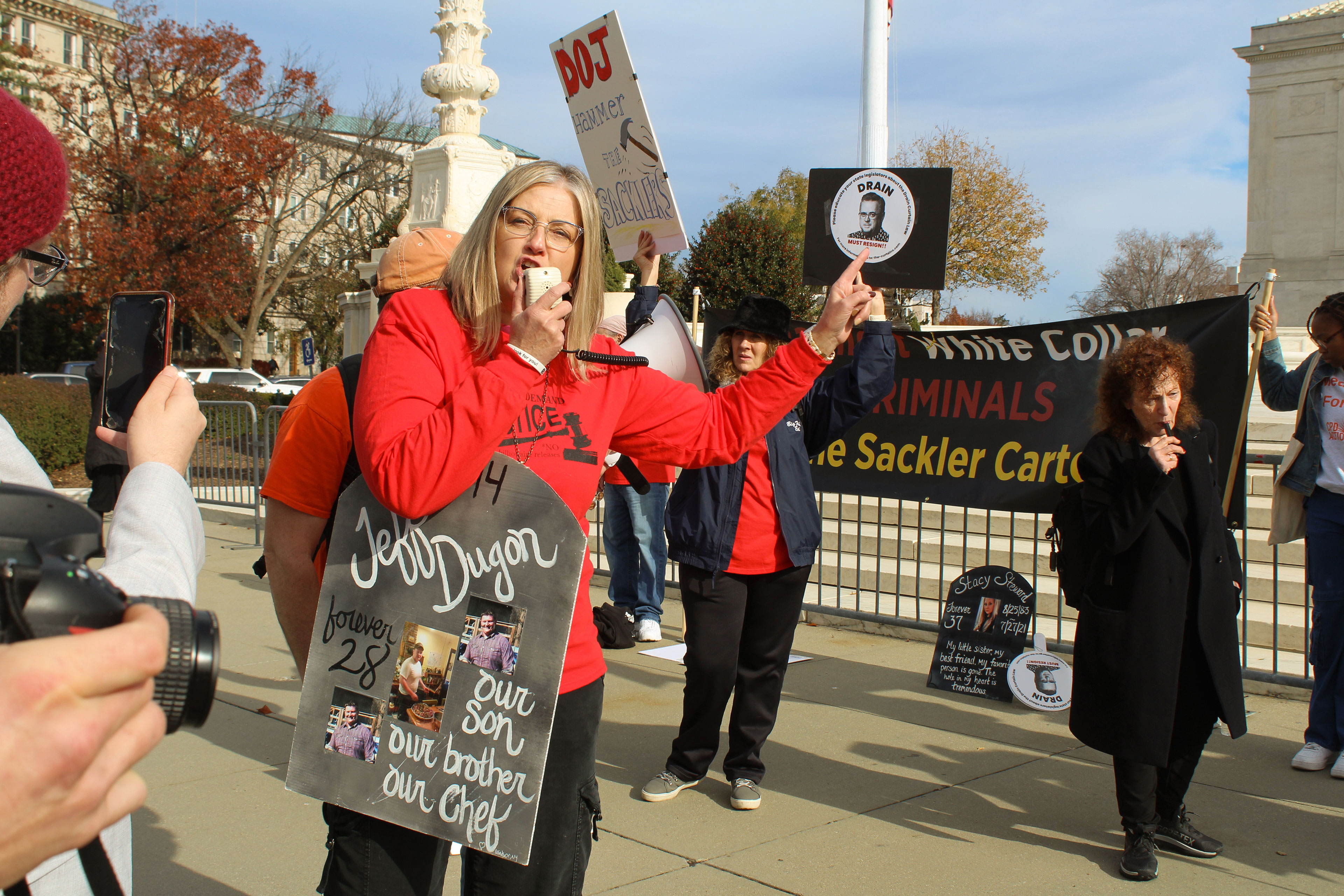
A substantial portion of these settlement funds, often nearly half, is directed to local governments, including counties and cities. The rationale behind this decentralization is that local officials possess the most intimate understanding of their communities’ needs and are therefore best positioned to allocate resources effectively. However, this approach has been met with considerable skepticism from those who have experienced the opioid crisis firsthand, many of whom describe the funds as "blood money" – a grim reminder of the lives lost to overdose. The inherent challenge lies in the fact that many local leaders lack specialized training in addiction policy and may operate with under-resourced public health departments, hindering their ability to make informed and impactful spending decisions.
This lack of expertise and robust oversight has led to expenditures that raise serious concerns among clinicians, researchers, and addiction recovery advocates. In New York, for instance, where approximately 46% of the opioid settlement money is under direct local control, public records reveal tens of thousands of dollars spent on items such as surveillance cameras, advanced technology for law enforcement to access data on locked cellphones, and even goggles that simulate intoxication. While these purchases may be legally permissible under broad interpretations of settlement terms, they are widely viewed as a profound misallocation of funds, particularly by individuals and families who have suffered immeasurable loss. Jasmine Budnella, director of drug policy at VOCAL-NY, an advocacy organization, emphasizes the potential for local governments to "go rogue" with these funds in the absence of effective oversight.
When advocates and families attempt to raise concerns with state agencies responsible for potential accountability, they often encounter a frustrating cycle of inter-agency referrals. Budnella likens this dynamic to the "Spider-Man pointing at each other" meme, lamenting the lack of a clear authority with the power to intervene and enforce proper fund utilization. This diffusion of responsibility creates a leadership vacuum, allowing for questionable spending decisions to persist without consequence.
The experiences in New York serve as a microcosm of a broader national issue. Data meticulously collected over several years by KFF Health News, the Johns Hopkins Bloomberg School of Public Health, and the addiction nonprofit Shatterproof has consistently revealed similar patterns of misallocation. These documented expenditures include investments in law enforcement equipment, such as night-vision goggles and bulletproof vests, unproven prevention initiatives like drug-awareness magicians for children, and even using settlement funds to plug general budget deficits. The question of who is ultimately responsible for taking action against such expenditures remains largely unanswered, leaving many harmed by the crisis feeling unheard and unrepresented.

The fragmented control over these funds across various state and local entities contributes to this oversight vacuum. The federal government, which played a limited role in the litigation that generated these settlements, offers little to no direct involvement in their disbursement and oversight. Advocates and families, despite their tireless efforts to demand accountability, possess limited power to effect change. While a few states have enacted new legislation to strengthen oversight, the pace of reform is slow and inconsistent across the nation.
The settlement agreements themselves mandate that the majority of the funds be dedicated to "opioid remediation," a term that encompasses a wide array of potential expenditures, with over 100 suggested uses. However, the broad and open-to-interpretation nature of this list, coupled with provisions in many states, including New York, that allow for a portion of the funds to be designated as "unrestricted," creates ample room for diversion. This ambiguity allows for general spending that may not directly address the core issues of addiction and recovery.
Compounding these challenges are ongoing federal budget cuts that have threatened vital addiction-related services and increased the demand for alternative funding streams. Despite a recent decrease in overdose deaths from their peak in 2022, the crisis remains acute, with approximately 186 lives still being lost daily to overdoses. Alexis Pleus, whose son Jeff Dugon died of a heroin overdose in 2014, expresses profound disappointment, stating, "We really are wasting this opportunity to use these funds to turn the epidemic around." Pleus, who now runs a nonprofit that receives settlement funds for drug user support and family services, emphasizes the critical need for oversight to prevent other families from experiencing similar heartbreak.
In New York, the responsibility for oversight is theoretically distributed among three key entities: the Office of Addiction Services and Supports (OASAS), the Attorney General, and the Comptroller. OASAS is designated as the "lead state agency" for opioid settlement funds. It distributes a portion of these dollars through grants, guided by recommendations from the state’s Opioid Settlement Fund Advisory Board. The agency also possesses the authority to conduct oversight and audits of funded projects and can withhold future funds from local governments that fail to comply with specific requirements. However, OASAS spokesperson Jerry Gretzinger indicated that the agency has not yet exercised its power to withhold funds, despite acknowledging its oversight role. While the office is auditing 19 local governments for "reporting and recordkeeping requirements," this process may not extend to scrutinizing the appropriateness of the expenditures themselves, a key concern for many advocates.

Christine Khaikin, deputy director at the Legal Action Center, which has been instrumental in uncovering questionable spending through public records requests, finds the narrow scope of OASAS’s oversight insufficient. She notes that while state budget language requires local governments to publicly report their spending, OASAS merely collects links to these reports without reviewing their accuracy or detail. This reliance on self-reported information, according to Khaikin, "doesn’t feel like oversight." Members of the Opioid Settlement Fund Advisory Board have also urged OASAS to provide more data and evaluation of fund utilization, but at a February 2025 meeting, Commissioner Chinazo Cunningham stated that OASAS "has no oversight over these portions of dollars" that go directly to counties and cities, asserting they cannot dictate the specific data collected by each locality.
Examples of questionable spending in New York, as uncovered by the Legal Action Center, paint a stark picture. Cortland County allocated $150,000 to "Sheriff Jail" with no further clarification. Sullivan County spent over $30,000 on Cellebrite technology for data extraction from cellphones and more than $37,000 on Tasers, justifying these purchases as coming from unrestricted funds. Such expenditures, even if legally permissible, deeply trouble families affected by the opioid crisis, who believe the funds should be morally bound to direct assistance for those struggling with addiction. Alexis Pleus reiterates, "Anything that is not directly tied to people who are struggling with opioid addiction or the loss of someone is a poor use of funds." Many jurisdictions also have significant portions of their settlement funds unspent, a pattern observed nationwide, which advocates suspect may be driven by generating interest income, though local officials often cite the need for careful planning. Nassau County’s temporary transfer of nearly $14 million in accrued interest to its general fund, reversed only after public outcry, exemplifies the potential for financial impropriety.
The role of the Attorney General’s office, particularly that of New York Attorney General Letitia James, who has been a prominent national figure in prosecuting pharmaceutical companies, is also under scrutiny. While her office has been lauded for securing billions in settlement funds, it has largely deferred oversight responsibilities to other agencies. Spokesperson Grant Fox stated, "While our partners in state and local governments distribute and oversee these funds, we will continue our work to hold accountable the companies responsible for fueling the spread of addictions and overdoses." This stance contrasts with the expectations of many, including state Senator Nathalia Fernandez, who chairs the committee on alcoholism and substance use disorders. Fernandez, along with other advocates, believes the Attorney General’s office should play a more active enforcement role, arguing, "The money is here because of their efforts… I believe it is under the Office of the Attorney General to enforce." This sentiment is echoed by Budnella, who warns, "It would be a shame for all of their work that they have done to secure all this funding for it to be misspent." In contrast to New York’s Attorney General’s office, their counterparts in Michigan and Kansas have proactively issued lists of prohibited expenditures, including many law enforcement items that have drawn criticism in New York.
The state Comptroller’s office is also being looked to as a potential oversight body. The Reason Foundation has proposed model legislation requiring independent financial reviews and transaction testing for recipients of large settlement sums. While no state has yet adopted this model law, New York Comptroller Thomas DiNapoli’s office has initiated an audit into OASAS’s oversight of opioid settlement funds, encompassing both state and local allocations. This audit, which began in February, follows similar actions by comptroller and auditor offices in New Jersey, Missouri, and Nashville, Tennessee. These proactive steps offer a glimmer of hope for more focused and effective utilization of these critical funds, which are expected to be disbursed over the next decade. As Layal Bou Harfouch, a co-author of the Reason Foundation’s model law, points out, "We’re already years in and we’ve seen the craziest stories" of funds being used for concerts and police shooting ranges. The ongoing efforts towards greater transparency and accountability aim to ensure that this historic opportunity to combat the opioid epidemic is not squandered.
