
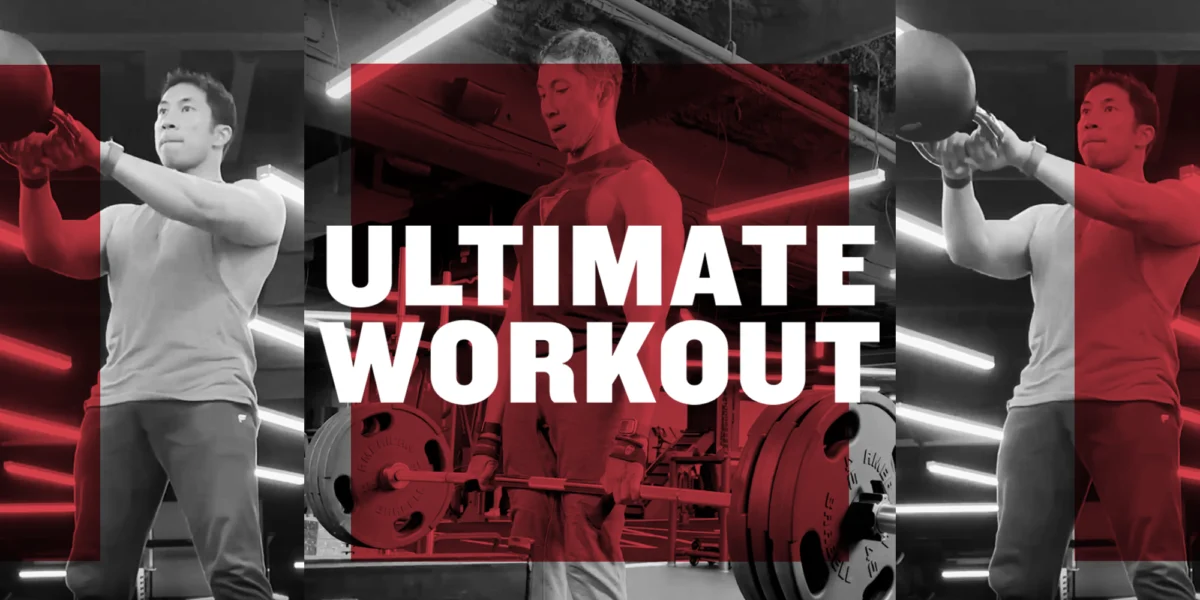
Body recomposition shifts the fitness focus from radical weight fluctuations to a sustainable equilibrium where strategic caloric deficits and progressive resistance training allow the body to incinerate fat while synthesizing new muscle tissue. This dual-process approach proves that fat loss and hypertrophy are not mutually exclusive but are instead the result of precise metabolic management and consistent mechanical tension.
Traditional fitness dogma has long suggested that the human body must exist in one of two states: a caloric surplus to build muscle (bulking) or a caloric deficit to lose fat (cutting). However, modern exercise science and nutritional physiology have identified a "middle path" known as body recomposition. This process allows individuals to utilize stored body fat as an energy source to fuel the anabolic process of muscle protein synthesis. While this requires a more disciplined approach to both training and nutrition than a standard "bulk," it avoids the aesthetic and health-related pitfalls of rapid weight gain and the metabolic slowdown often associated with extreme dieting.
The Physiology of Body Recomposition
At its core, body recomposition is the act of altering the ratio of lean muscle mass to body fat. To achieve this, the body must be prompted to prioritize muscle preservation and growth even when total energy intake is slightly below maintenance levels. For a person carrying a moderate amount of body fat, the fat stores themselves act as a reserve of chemical energy. When the stimulus from resistance training is sufficiently intense, the body can draw upon these reserves to facilitate muscle repair and growth.
The mathematical reality of this transformation is often subtle on the scale but dramatic in the mirror. Consider a 190-pound individual with 25 percent body fat. Through a six-month period of successful recomposition, they might gain five pounds of muscle while losing five pounds of fat. While their total weight remains 190 pounds, their body fat percentage drops to approximately 21 percent. This shift results in a physique that appears significantly leaner, harder, and more muscular, despite the scale remaining stagnant.
The Nutritional Pillar: The Strategic Deficit
The primary driver of fat loss during a recomposition phase is a controlled caloric deficit. Unlike a traditional "cut," where one might slash calories by 500 to 1,000 per day, body recomposition requires a "slow-burn" approach. The goal is to lose approximately half a pound of body weight per week, which typically requires a modest deficit of about 250 calories below daily maintenance levels.
This small deficit is crucial because it provides enough energy to sustain high-intensity training sessions. If the deficit is too aggressive, the body will lack the glycogen and hormonal environment necessary to build new muscle tissue, leading instead to muscle wasting. To further support this process, increasing Non-Exercise Activity Thermogenesis (NEAT) is essential. NEAT encompasses all physical activity that is not planned exercise—such as walking, taking the stairs, or even fidgeting. By increasing daily movement outside the gym, an individual can widen their caloric gap without further restricting their food intake, thereby preserving the nutrients needed for muscle recovery.
The Training Pillar: Progressive Overload
While diet drives the loss of fat, the stimulus for muscle growth must come from the weight room. Without a significant demand placed on the musculoskeletal system, the body has no reason to "invest" energy into building expensive muscle tissue. This demand is achieved through progressive overload—the systematic increase in training frequency, volume, and intensity over time.
In a body recomposition program, every session must be a challenge. If an individual lifts the same weights for the same repetitions week after week, the body will adapt and plateau. To force continued adaptation, one must consistently strive to add weight to the bar or perform more repetitions with a given load. This signal tells the nervous system and the endocrine system that the current muscle mass is insufficient for the demands of the environment, triggering the hypertrophy necessary for recomposition.

The Four-Day Recomposition Blueprint
The following workout structure, designed by fitness experts, optimizes the balance between stimulus and recovery. It utilizes a four-day split—two lower-body days and two upper-body days—allowing for maximal intensity during working hours and sufficient rest for tissue repair.
Day 1: Lower Body I – Posterior Chain and Quads
The week begins with the Barbell Romanian Deadlift (RDL). This movement is the gold standard for developing the posterior chain—the hamstrings and glutes. The focus here is the "hinge" pattern, teaching the body to leverage the hips rather than the lower back. Following the RDL, the Dumbbell Walking Lunge introduces a knee-dominant, functional movement. Unlike a static squat, the walking lunge requires stability and replicates real-world movement patterns. The session concludes with a machine-based superset of Leg Extensions and Seated Leg Curls. These isolation movements allow the trainee to push the quadriceps and hamstrings to failure safely, maximizing the metabolic stress required for growth.
Day 2: Upper Body I – Horizontal Pulling and Pushing
Upper body development focuses on structural balance. The Dumbbell Row is the primary movement, emphasizing the latissimus dorsi and providing a deep stretch that is vital for hypertrophy. By using dumbbells rather than a barbell, the trainee can address bilateral imbalances. This is followed by the Low-Incline Alternating Dumbbell Press. The slight incline targets the upper chest, while the alternating nature of the reps increases "time under tension," a key driver for muscle fiber recruitment. The workout finishes with a superset of Hammer Curls and Skull Crushers, ensuring the arms receive the direct volume necessary for a well-rounded physique.
Day 3: Lower Body II – Unilateral Strength and Explosiveness
The second lower-body session utilizes the Barbell Split Squat to isolate each leg. Unilateral training is essential for core stability and ensuring that a dominant side does not compensate for a weaker one. Following this, the Lateral Lunge moves the body into the frontal plane. Most gym-goers train exclusively in the sagittal plane (forward and backward); by moving laterally, the trainee engages the hip adductors and improves overall athletic mobility. The session ends with Kettlebell Swings, an explosive movement that builds power and reinforces the hip hinge, providing a cardiovascular boost while strengthening the glutes.
Day 4: Upper Body II – Vertical Integration
The final lifting day focuses on vertical movements. The Incline Dumbbell Press is used to further develop the upper pectoral fibers, which are often a weak point for many men. This is paired with the Incline Row to ensure the back is trained from a complementary angle. The session concludes with a challenging superset of Half-Kneeling Single-Arm Overhead Presses and Chinups. The overhead press builds shoulder stability and strength, while the chinup remains one of the most effective compound movements for the lats and biceps.
The Role of Metabolic Conditioning
To accelerate fat loss without sacrificing muscle, the program incorporates a "Cardio Burst" based on the Tabata protocol. This High-Intensity Interval Training (HIIT) involves 20 seconds of maximal effort followed by 10 seconds of rest. By performing movements like mountain climbers, burpees, or jumping jacks in this format, the trainee creates an "afterburn" effect (Excess Post-exercise Oxygen Consumption, or EPOC). This keeps the metabolic rate elevated for hours after the workout has concluded, helping to maintain the caloric deficit required for body recomposition.
Managing Recovery and Expectations
Body recomposition is a marathon, not a sprint. Because the body is performing two demanding tasks simultaneously, recovery is paramount. This includes adhering to prescribed rest periods between sets—typically 90 seconds for compound lifts to allow for ATP replenishment, and 30 to 45 seconds for isolation moves to maintain a "pump."
Furthermore, sleep and stress management play a critical role. Cortisol, the body’s primary stress hormone, can inhibit muscle growth and encourage fat storage around the midsection if left unchecked. For the recomposition process to be successful, the trainee must view their time outside the gym with the same discipline as their time under the bar. By combining a modest caloric deficit, high-protein intake, and a relentless commitment to progressive overload, the goal of a leaner, more muscular physique is not only possible but scientifically inevitable.
