
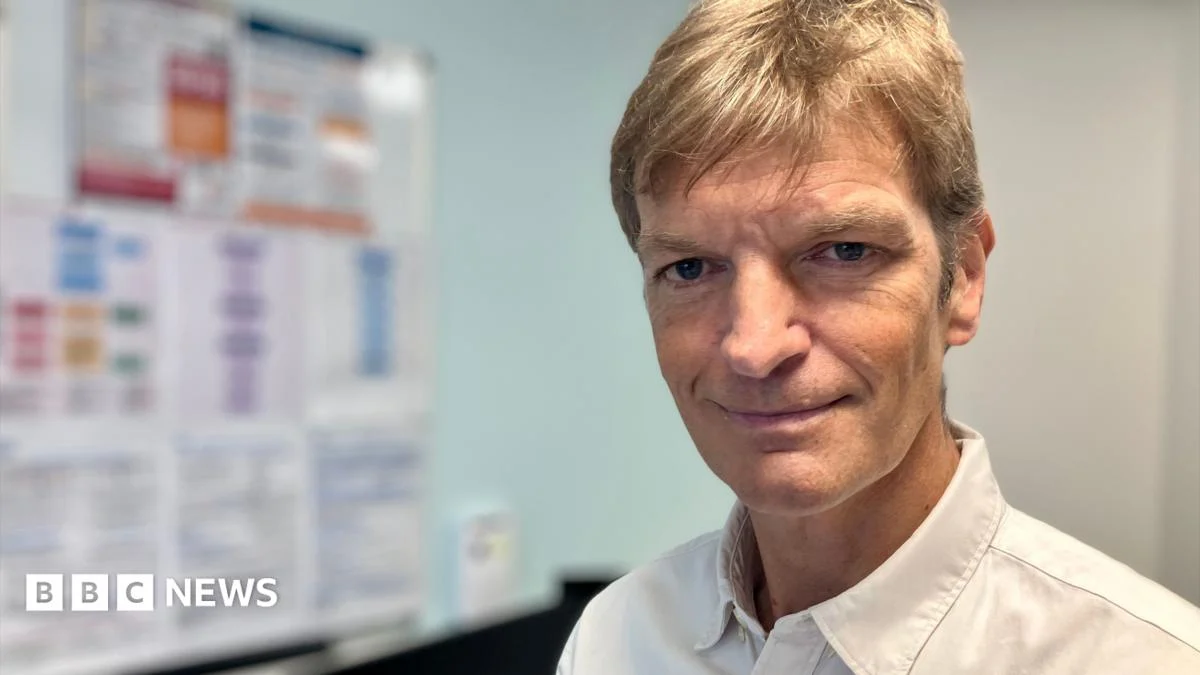
"A pioneering ‘neighbourhood approach’ is poised to revolutionise local healthcare, integrating GP services with comprehensive wellbeing and community support under one roof. This model promises easier access, proactive health management, and a powerful front against health inequalities, ensuring a holistic continuum of care closer to home."
The strategic development of integrated health hubs represents a significant evolution in healthcare delivery, moving towards a more cohesive, accessible, and preventative model of care. The council’s ambitious plan to establish an environment where healthcare, wellbeing, and community services are delivered side-by-side is a direct response to the evolving needs of modern communities and the imperative to foster healthier populations. This initiative, championed by local authorities and NHS Sussex and Surrey, aims to centralise essential services, making comprehensive support readily available and more convenient for residents, thereby fundamentally reshaping the local health landscape.
At the heart of this transformative vision lies the principle of integration. By co-locating general practice with a diverse range of wellbeing and community services, the hub seeks to break down traditional silos within the healthcare system. This means that a patient visiting their GP could seamlessly access services like mental health support, physiotherapy, dietetic advice, social prescribing, or even community-led wellness programs, all within the same facility or through well-coordinated referral pathways. Such a model is designed to provide holistic support that addresses not only acute medical needs but also the broader determinants of health, including lifestyle, social connections, and mental wellbeing.
The scale of this undertaking is substantial, with the combined capacity of two GP surgeries within the hub projected to serve more than 15,000 local residents. This considerable reach underscores the potential impact on community health, providing a primary care base that is both extensive and deeply embedded within the local fabric. Furthermore, the commitment to offering over 5,500 appointments on-site each month highlights a significant increase in accessibility and capacity, directly tackling common frustrations around appointment availability and long waiting times. This robust infrastructure is critical for managing the health needs of a growing and aging population, ensuring timely access to essential care.
Dr. Paul Moore, a General Practitioner at Quayside Medical Practice, articulates the proactive ethos underpinning the new hub. "We are encouraging people to be as healthy as they can," he states, emphasizing a shift from purely reactive treatment to preventative health and wellness promotion. This perspective aligns with contemporary healthcare strategies that prioritize early intervention, lifestyle modifications, and patient empowerment in managing their own health. The hub, in this context, becomes more than just a place for illness; it transforms into a resource for health education, preventative screenings, and supportive programs designed to foster long-term wellbeing. By making these preventative services more accessible and integrated into routine care, the hub can significantly impact public health outcomes.
Dr. Moore further reinforces the foundational role of the general practitioner, noting that the new hub will powerfully convey the message that "your GP is there for you." In an increasingly complex healthcare system, where patients may feel overwhelmed by choices or uncertain about where to seek appropriate help, reaffirming the GP as the primary point of contact and care coordinator is crucial. This message builds trust, encourages consistent engagement with primary care, and ensures that patients have a familiar and reliable source of medical advice and support. The hub structure facilitates this by creating a clear, centralized pathway to comprehensive care, with the GP acting as the initial guide and navigator through the available services.
Allison Cannon, Chief Nursing Officer for NHS Sussex and Surrey, articulates the strategic importance of this initiative within the broader regional healthcare landscape. She highlights that the new hub will "make it easier for people to access support closer to home and at a convenient time." This emphasis on accessibility and convenience is paramount in reducing barriers to care, particularly for individuals with mobility challenges, busy schedules, or those living in areas with limited public transport. By bringing services directly into the heart of communities, these hubs mitigate the need for extensive travel, making healthcare less of a burden and more seamlessly integrated into daily life.
Ms. Cannon’s statement, "This is exactly the kind of neighbourhood approach we want to see more of across Surrey and Sussex," underscores a wider strategic shift within the NHS. The "neighbourhood approach" is a core tenet of modern integrated care systems (ICSs), advocating for localised, person-centred care delivery. This model moves beyond institutional healthcare settings, embedding services within the very communities they serve and fostering collaboration between health providers, local authorities, and voluntary sector organisations. It recognises that health is influenced by a myriad of factors beyond medical treatment, including social, economic, and environmental conditions, and thus requires a multi-faceted, community-led response.
The collaborative spirit inherent in the neighbourhood approach is central to its success. Ms. Cannon explains that it is "where health services, local partners and communities come together to help people stay well, tackle health inequalities and support healthier lives." This tripartite collaboration is vital. Health services contribute medical expertise and clinical pathways. Local partners, such as social services, housing associations, and community groups, bring invaluable insights into social determinants of health and provide non-medical support. The active involvement of communities themselves ensures that services are relevant, culturally sensitive, and truly meet the needs of the local population.
A critical objective of these integrated hubs is to "tackle health inequalities." Health disparities often arise from unequal access to services, socioeconomic disadvantages, and varying levels of health literacy. By centralizing a wide array of services in an accessible location, the hub aims to reduce these inequalities. For example, individuals from disadvantaged backgrounds who might struggle with transportation or navigating complex referral systems will find a more streamlined and approachable entry point to care. The provision of wellbeing and community services alongside general practice also means that preventative measures and social support—often crucial in addressing health inequalities—are more readily available to those who need them most.
Furthermore, the hubs are designed to "support healthier lives." This goes beyond merely treating illness; it encompasses a comprehensive strategy for promoting long-term health and resilience. By offering services such as chronic disease management programs, mental health counselling, fitness classes, nutritional advice, and social prescribing, the hub encourages individuals to take proactive steps towards better health. This holistic approach empowers patients with the knowledge and resources to manage their conditions, adopt healthier lifestyles, and build stronger community connections, ultimately contributing to a higher quality of life and reduced burden on acute care services in the long run.
The operational advantages of such integrated hubs are equally compelling. For healthcare professionals, co-location fosters better communication and collaboration between different disciplines. GPs can more easily consult with allied health professionals, leading to more coordinated and effective patient care. Shared resources, administrative support, and joint training opportunities can also enhance efficiency and professional development for staff. For patients, this translates into a more seamless experience, reducing the need to visit multiple sites for different services and ensuring that their care plan is well-integrated across various providers.
The types of wellbeing and community services that could be integrated into such a hub are diverse and expansive. Beyond the core GP services, one might expect to find dedicated spaces for mental health support, including counselling and psychotherapy, particularly for common conditions like anxiety and depression. Physiotherapy and occupational therapy services could help with rehabilitation and mobility. Dietitians and nutritionists could offer advice on healthy eating and managing conditions like diabetes. Social prescribing link workers could connect individuals to non-clinical community resources, addressing issues such as loneliness, debt, or housing. Furthermore, the hub could host vaccination clinics, health screening programs, antenatal and postnatal care, and various health education workshops, creating a true one-stop shop for community health.
These integrated health hubs align perfectly with the broader strategic objectives of the NHS Long Term Plan, which advocates for stronger, more integrated primary and community care. They represent a tangible manifestation of Primary Care Networks (PCNs) and Integrated Care Systems (ICSs) working effectively at a local level. By pooling resources and expertise, these hubs contribute to building resilient health systems capable of meeting the complex demands of modern healthcare, shifting the emphasis towards preventative care and community engagement.
In conclusion, the development of integrated health hubs in Surrey and Sussex marks a pivotal moment in the evolution of community healthcare. By creating environments where medical treatment, wellbeing support, and community services are delivered collaboratively and accessibly, these hubs are poised to significantly improve patient experience, promote proactive health management, and vigorously address health inequalities. This "neighbourhood approach" is not merely an incremental change but a foundational shift, promising a healthier, more connected future for residents and a more sustainable model for the NHS.
