
"Childhood cancer symptoms are often deceptively subtle, mimicking common ailments, making early detection a critical challenge. Heightened awareness among parents and healthcare professionals is paramount to recognizing persistent or worsening symptom clusters, which can significantly improve outcomes and reduce the intensity of life-saving treatments."
Childhood cancer, though rare, stands as the leading cause of death from disease among children under the age of 15 in the United Kingdom. Despite this sobering statistic, a significant knowledge gap persists, with less than a third of parents expressing confidence in their ability to identify the symptoms. This lack of awareness, coupled with the often non-specific nature of early signs, can lead to crucial diagnostic delays, highlighting an urgent need for enhanced public and professional education.
Annually, approximately 1,900 children aged 0-14 receive a cancer diagnosis in the UK, according to figures from Cancer Research UK. Unlike adult cancers, which are frequently linked to lifestyle factors or environmental exposures, most childhood cancers arise spontaneously, often due to random DNA mutations during growth and development. This distinction underscores the importance of vigilance, as preventative measures are largely ineffective, placing the onus on early detection for improved prognoses.

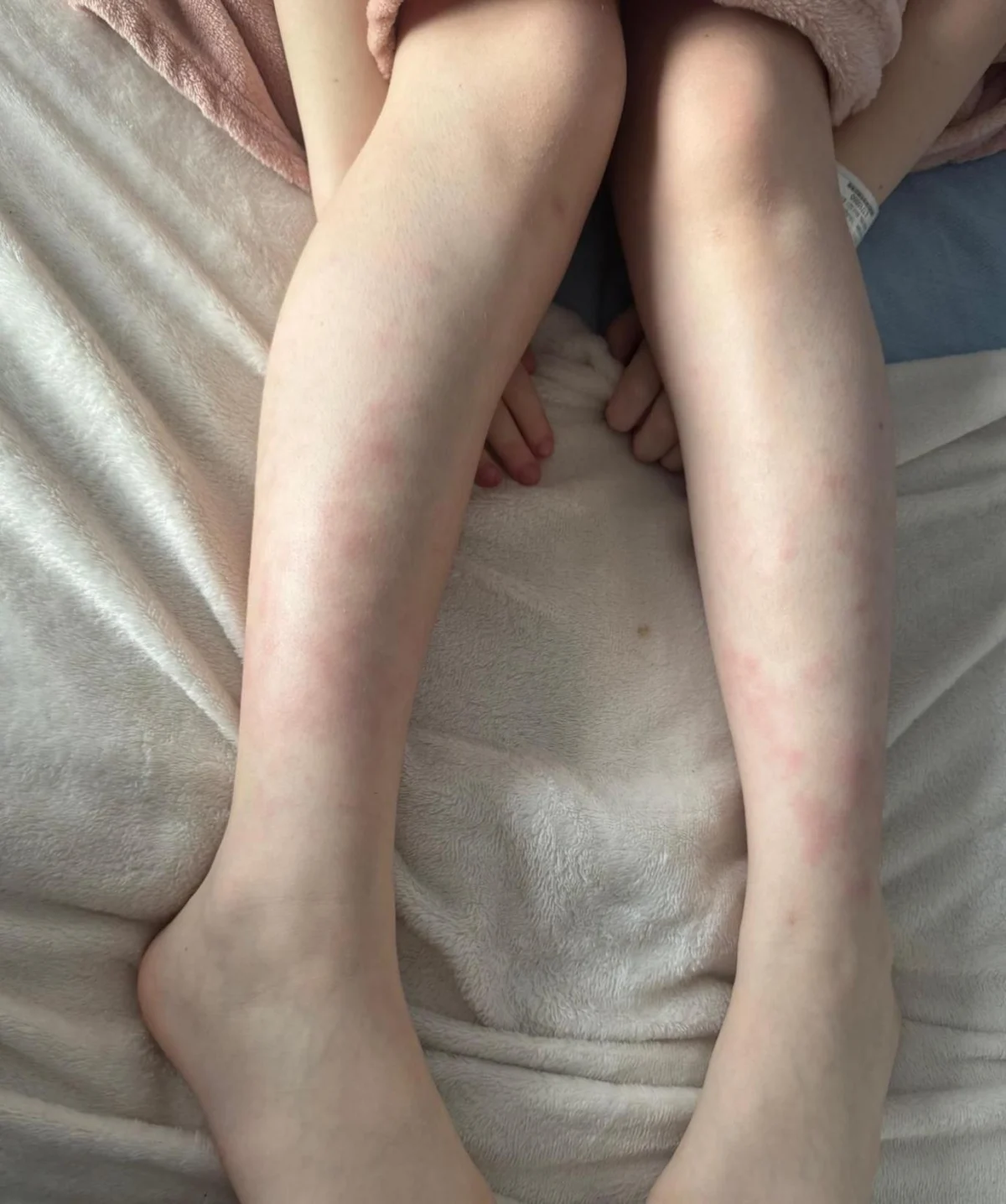
The insidious nature of childhood cancer symptoms is vividly illustrated by the experience of Amelia Carroll. At 13, Amelia was diagnosed with acute myeloid leukaemia (AML) last year, a journey her mother, Gemma, recounts began with easily overlooked signs. Initial symptoms included pervasive tiredness and breathlessness after minimal exertion, both of which were initially attributed to common childhood factors such as being unfit or simply post-school fatigue. It was only when Amelia began presenting with unexplained bruises – a single red bruise appearing out of nowhere, followed by multiple sore, raised bruises down both shins within three days – that Gemma’s instincts signalled something was profoundly amiss. An optometrist also noted burst blood vessels in Amelia’s eyes during a routine appointment, an additional subtle indicator. Within an astonishing ten days of these more concerning developments, Amelia received her leukaemia diagnosis, underscoring how rapidly the disease can manifest once more specific signs emerge.
Professor Bob Phillips, a distinguished paediatric oncologist and an expert with CCLG (the Children and Young People’s Cancer Association), stresses the critical importance for parents to observe "clusters of symptoms" that are not only persistent but also worsening or increasing in size. Childhood cancers, he explains, tend to develop far more rapidly than those in adults, primarily due to the accelerated growth and cellular division characteristic of a child’s body. This biological reality amplifies the urgency of prompt recognition and intervention.
To address the diagnostic lag, experts like Professor Phillips are championing a national campaign aimed at elevating awareness and streamlining diagnosis times. A key component of this initiative is the "rule-of-three" for healthcare professionals. This guideline urges doctors to consider making a specialist referral if a child presents with three persistent symptoms, has visited their doctor three times for unexplained issues, or has experienced three weeks of unexplained symptoms. This structured approach aims to prevent prolonged periods of misdiagnosis or delayed investigation, ensuring that rare but serious conditions like cancer are not overlooked amidst more common paediatric complaints.
While the challenges are significant, the landscape of childhood cancer treatment has seen remarkable progress. Survival rates have soared dramatically since the 1970s, with an impressive eight out of ten children now surviving five to ten years or more beyond their initial diagnosis. This testament to medical advancement, however, is tempered by the understanding that even quicker diagnoses could lead to less intensive treatments, thereby reducing the long-term side effects and improving the overall quality of life for young survivors.

Amelia’s cancer journey, starting with those peculiar bruises, quickly escalated into a fight for her life. Her mother vividly recalls the moment of confirmation: "On the day that they confirmed what she had, I sat her down and she said to me ‘have I got cancer?’ and I said yes you have. She asked me if she was going to die." This harrowing question encapsulates the profound fear and uncertainty that grips families facing such a diagnosis. Gemma’s reassurance, "I said no, they’re doing everything they can, they’ve got a plan in place and the treatment is going to do everything it can to beat the cancer," speaks to the immediate need for hope and a clear path forward in such dire circumstances. Today, Amelia is in remission, diligently undergoing regular bone marrow and blood tests every three months, and has made a courageous return to school, a beacon of hope for many.
Professor Phillips highlights that while over 80% of children survive cancer in the UK, the goal is to improve not just survival, but the path to survival. He notes that approximately half of children diagnosed with cancer receive their diagnosis within two weeks, which is commendable, but emphasizes the need to drastically reduce the wait for the other half, who currently face waits of 16, 18, 20, or even 25 weeks from the onset of initial symptoms. This disparity underscores the systemic challenges in achieving universal rapid diagnosis. Broader data from Cancer Research UK indicates that while over 400,000 new cancer cases are diagnosed annually in the UK, only 54% meet the NHS target window of diagnosis within 28 days, as reported by the British Medical Journal (BMJ). This metric, encompassing all cancers, highlights a persistent struggle within the healthcare system to deliver timely diagnoses. Furthermore, an additional 2,300 teenagers and young adults (aged 15–24) are diagnosed with cancer each year, representing another vulnerable demographic whose unique needs and symptom presentations also require specialized attention.
The devastating impact of diagnostic delays and the grueling nature of treatment are further underscored by the story of Jake Swinscoe. Lynsey Swinscoe is the mother of Jake, who tragically passed away from soft tissue cancer at the age of 13. Jake was diagnosed with stage three, fusion positive alveolar rhabdomyosarcoma in July 2023. Prior to his diagnosis, Jake’s early symptoms—a stuffy nose and watery eyes—were dismissed as hayfever. Falling asleep frequently after school was attributed to typical end-of-term tiredness. "It was only when he started to get a swelling across the bridge of his nose that we thought right, we need to take him to the GP," Lynsey explains, acknowledging that at that point, the earlier fatigue and hayfever-like symptoms weren’t yet connected to the growing concern. A mass was subsequently discovered in Jake’s nose and nasal cavity, confirming the diagnosis of soft tissue sarcoma. He endured nine rounds of chemotherapy and proton beam radiation, a testament to the aggressive nature of his cancer and the intensity of modern treatment protocols.
However, the severe side effects of these treatments took an immense toll on Jake. After suffering seizures and feeling profoundly unwell from the chemotherapy, Jake made the courageous and heartbreaking decision to opt out of continuing treatment. He passed away peacefully at home on April 26, 2024, just two weeks shy of his 14th birthday. Lynsey’s reflections on her son’s final days are poignant: "I think the main thing with Jake is he was not scared to die. We had lots of conversations about dying and what it might feel like to die and the only thing that he was sort of scared about was, ‘are all the people going to remember me? Is everyone just going to forget who I am?’" It is this profound desire for remembrance that fuels Lynsey’s dedication to raising awareness. "That’s why I’m doing this, to make sure that people know who Jake is, to make sure people know how incredible he was. And so with that comes the raising awareness, which I think, that’s his legacy."

Jake’s story underscores the critical need for a more nuanced understanding of childhood cancer symptoms and the immense physical and emotional burden that treatment places on young patients and their families. Common symptoms that parents and general practitioners should be acutely aware of, especially when persistent, worsening, or occurring in clusters, include:
- Persistent, unexplained pain: Especially in bones, joints, back, or legs, which may wake a child at night.
- Unexplained lumps or swelling: Anywhere on the body, particularly if growing or painless.
- Prolonged, unexplained fever: Fevers without an obvious cause, lasting for several days.
- Unexplained weight loss or poor growth: Significant changes not attributable to diet or activity.
- Persistent fatigue or paleness: Extreme tiredness, lethargy, or a noticeable paleness that doesn’t improve with rest.
- Easy bruising or bleeding: Bruises that appear without injury, nosebleeds, or unusual bleeding from gums.
- Frequent infections: Recurrent or unusual infections that are difficult to clear.
- Changes in vision or eye appearance: Squints, white reflex in the pupil, vision problems, or sudden onset of drooping eyelid.
- Persistent headaches, often with vomiting: Especially if worse in the morning or accompanied by neurological symptoms like balance issues.
- Changes in behaviour or mood: Irritability, withdrawal, or unexplained emotional shifts.
- Swollen lymph nodes: Particularly if painless, firm, and persistent, especially in the neck, armpits, or groin.
- Abdominal swelling: A distended abdomen or a palpable mass.
These symptoms, individually, might be benign, but their persistence, progression, or combination should trigger a higher index of suspicion. The rarity of childhood cancers means that most healthcare professionals encounter few cases throughout their careers, making targeted education and awareness campaigns for both the public and medical community indispensable.
Beyond leukaemia and rhabdomyosarcoma, other common types of childhood cancers include brain tumours, lymphomas (Hodgkin and non-Hodgkin), neuroblastoma, Wilms’ tumour (kidney cancer), and osteosarcoma (bone cancer). Each presents with its own constellation of possible symptoms, but the overarching principle remains consistent: sustained, unexplained, or worsening changes in a child’s health warrant thorough investigation.
The journey of childhood cancer diagnosis and treatment is fraught with anxiety, fear, and profound emotional and physical challenges. Support organizations like CCLG play a vital role in providing information, advocating for better care, and funding research. While the significant improvements in survival rates offer hope, the ultimate goal is not just survival, but survival with the best possible quality of life. This objective is best achieved through earlier diagnosis, which can often lead to less aggressive, more targeted treatments, mitigating the severe long-term side effects that can impact a child’s development, fertility, and overall health into adulthood.

The stories of Amelia and Jake serve as powerful reminders of the critical need for heightened vigilance. Parents are often the first to notice subtle changes in their children, and trusting their instincts and persistently seeking medical advice when concerns arise is crucial. For healthcare professionals, embracing guidelines like the "rule-of-three" and maintaining a high index of suspicion, even for rare diseases, can be life-saving. By fostering a collective commitment to awareness and early action, we can work towards a future where fewer children endure prolonged diagnostic journeys and more can benefit from the earliest, least intensive, and most effective treatments available. This continued dedication to awareness and research is not merely a medical imperative; it is a moral obligation to every child and family facing the daunting reality of cancer.
