
“Kojic acid serves as a potent, fungus-derived inhibitor of melanin production, offering a non-prescription solution for fading dark spots when balanced with hydrating ingredients to prevent epidermal irritation.”
Hyperpigmentation—the darkening of skin patches caused by an overproduction of melanin—remains one of the most common and persistent dermatological concerns. While various serums and chemical peels address these issues, kojic acid soaps have emerged as a highly effective and convenient delivery system for brightening the skin, particularly for body areas like the elbows, knees, and underarms. Derived from various species of fungi, kojic acid works by inhibiting tyrosinase, the enzyme responsible for the production of melanin, making it a cornerstone ingredient in modern skincare regimens focused on evening out skin tone.

Understanding Kojic Acid and the Mechanics of Brightening
Kojic acid was first discovered in Japan as a byproduct of the fermentation process of malting rice for use in the manufacture of sake. In the decades since, dermatologists have embraced it as a gentler alternative to hydroquinone, a more controversial skin-lightening agent. Kojic acid functions primarily by chelating copper at the active site of tyrosinase. By blocking this enzyme, the skin’s ability to produce excess pigment is diminished, allowing existing dark spots to fade over time as the skin naturally regenerates.
However, the potency of kojic acid can lead to dryness or contact dermatitis if used incorrectly. This has led to a new generation of formulations that pair the acid with soothing emollients and secondary brighteners. Experts such as Dr. Brendan Camp, MD, and Dr. Yadav emphasize that the most effective kojic acid cleansers are those that treat the skin’s moisture barrier with the same priority as the pigmentation itself.
The Multi-Acid Approach: Topicals Faded Brightening Bar
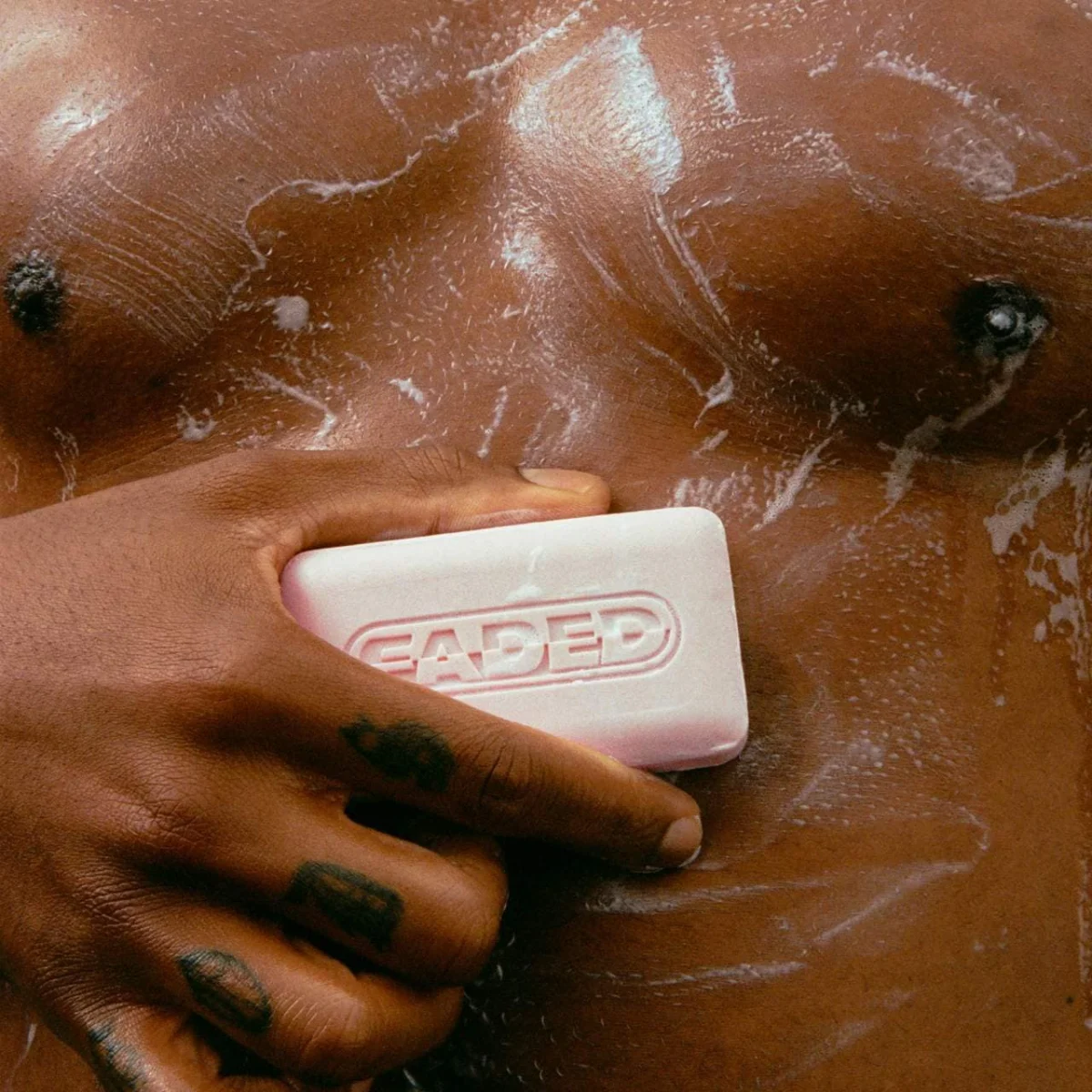
For those seeking a comprehensive approach to discoloration, the Faded Brightening and Cleansing Bar from Topicals represents the pinnacle of multi-ingredient formulation. Dr. Brendan Camp notes that this bar is particularly effective because it does not rely on kojic acid alone. Instead, it utilizes a "cocktail" of brighteners, including vitamin C, azelaic acid, and lactic acid.

Lactic acid, an alpha-hydroxy acid (AHA), provides gentle exfoliation to remove dead skin cells on the surface, allowing the kojic and azelaic acids to penetrate more deeply. Azelaic acid is particularly noteworthy for its anti-inflammatory properties, making it an ideal companion for treating post-inflammatory hyperpigmentation (PIH) caused by acne. To counteract the potential drying effects of these actives, the formula includes shea butter and papaya fruit extract. The result is a bar that noticeably smooths rough areas like knees and elbows without the "stripping" sensation common in lower-quality soaps. At approximately $28 for a two-pack, it is a premium investment in skin health.
The Heritage Choice: Kojie San Skin Brightening Soap
Often referred to as the "original" kojic acid soap, Kojie San has maintained a cult following for years. Dr. Yadav identifies this as the baseline for the category. It is a no-frills, high-potency formula designed for maximum exfoliation. Unlike more modern, creamier bars, Kojie San is a traditional glycerin-based soap that packs a significant punch.
The primary benefit of Kojie San is its ability to target stubborn discoloration in resilient areas, such as the underarms and inner thighs. However, its strength is also a caveat; it can be significantly harsher than other options. Users are often advised to limit the "contact time" on the skin and to follow up immediately with a high-quality moisturizer. It also includes tea tree oil, which provides an antimicrobial benefit, making it a dual-purpose option for those prone to body breakouts.

Barrier Protection for Beginners: Kitsch Kojic Acid Soap
For individuals with sensitive skin or those new to chemical exfoliants, Kitsch offers a specialized solution. Dr. Lee recommends this bar as a "gentle introduction" to the world of brightening. The challenge with kojic acid is that it can disrupt the skin’s natural lipids, leading to redness. Kitsch addresses this by infusing the bar with ceramides and hyaluronic acid.
Ceramides are essential fatty acids that help maintain the skin barrier and retain moisture. When paired with hyaluronic acid—a humectant that can hold 1,000 times its weight in water—the kojic acid can work on pigment inhibition while the skin remains hydrated. This formulation effectively bridges the gap between a therapeutic treatment and a daily-use soap, making it safe for both the face and the body.
Clinical Luxury: PCA Skin Pigment Bar
In the professional-grade category, the PCA Skin Pigment Bar stands out as a dermatologist favorite. Dr. Yadav and Dr. Camp both highlight its sophisticated ingredient profile, which includes niacinamide and azelaic acid alongside kojic acid. This trio works on hyperpigmentation through three distinct pathways: inhibiting melanin production, calming inflammation, and preventing the transfer of pigment to skin cells.

One unique aspect of the PCA Skin Pigment Bar is its delivery method. It comes in a jar with a dedicated sponge. This setup allows for a controlled, luxurious lather that doubles as a physical exfoliant. The inclusion of niacinamide (Vitamin B3) further assists in reducing the appearance of large pores and fine lines. While it carries a higher price point of $62, its longevity and clinical efficacy make it a staple for those treating chronic conditions like melasma.
Maximum Value: Good Molecules Brightening Bar
Good Molecules has built a reputation for "ingredient-first" transparency, and their Brightening and Dark Spots Bar Soap is no exception. At a price point of $8, it is arguably the best value on the market. Dr. Yadav points out that the inclusion of tranexamic acid—an ingredient increasingly popular in clinical settings for its ability to treat stubborn brown patches—makes this bar punch well above its weight class.
Tranexamic acid works by interfering with the chemical pathways that cause pigmentation following UV exposure or skin trauma. By combining this with kojic acid and niacinamide, Good Molecules provides a potent triple-threat against dark spots. It is a fragrance-free, vegan option that proves effective brightening does not require a luxury budget.

Innovative Textures: Organic Extract Turmeric Wash
While bars dominate the market, liquid and foam cleansers offer unique advantages. The Turmeric Skin Brightening Face Wash by Organic Extract utilizes a foam delivery system paired with a built-in silicone brush. Dr. Camp appreciates the addition of turmeric, a powerful anti-inflammatory and antioxidant that complements the brightening effects of kojic acid.
The mechanical exfoliation provided by the silicone bristles helps to physically dislodge dead skin cells, which can often trap pigment and make the skin look dull. This product is specifically formulated for the face, incorporating aloe vera and vitamin E to ensure that the skin feels soft and "spa-like" after use. However, users should be mindful of hygiene, ensuring the silicone head is cleaned regularly to avoid bacterial buildup.
The Gel Alternative: Koji White Body Wash
For those who prefer a traditional shower experience, Koji White offers a gel-based body wash. Dr. Lee notes that the soft gel formula is often easier to spread over large surface areas than a bar. This product focuses on a "brightening and hydrating" philosophy, using flower acid extracts and vitamin B5 (panthenol) to soothe the skin.

Vitamin B5 is a known skin protectant with anti-inflammatory properties, which helps to mitigate the potential irritation of kojic acid. The liquid format also allows for a more consistent distribution of ingredients, ensuring that the kojic acid is not concentrated in a single "hot spot" on the skin. It is an excellent choice for maintaining an even skin tone across the entire body during a daily shower routine.
Best Practices for Kojic Acid Use
Regardless of the product chosen, the use of kojic acid requires a disciplined approach to skincare. Dermatologists emphasize several key rules for success:
- Patch Testing: Before applying a kojic acid soap to the face or sensitive areas, users should perform a patch test on the inner forearm for 24 hours to check for adverse reactions.
- Sun Protection: Kojic acid inhibits melanin, which is the skin’s natural defense against UV radiation. This makes the skin more susceptible to sunburn. Daily application of a broad-spectrum SPF 30 or higher is non-negotiable.
- Gradual Integration: Start by using the soap two to three times a week, gradually increasing frequency as the skin builds tolerance.
- Moisturization: Always follow a brightening cleanse with a rich moisturizer to replenish the lipids removed during the exfoliation process.
By selecting a formulation that aligns with their skin type and following expert guidance, individuals can effectively utilize kojic acid to achieve a clearer, more radiant complexion. Whether through a high-potency traditional bar or a modern, ceramide-rich foam, the path to even skin tone is more accessible than ever.
