
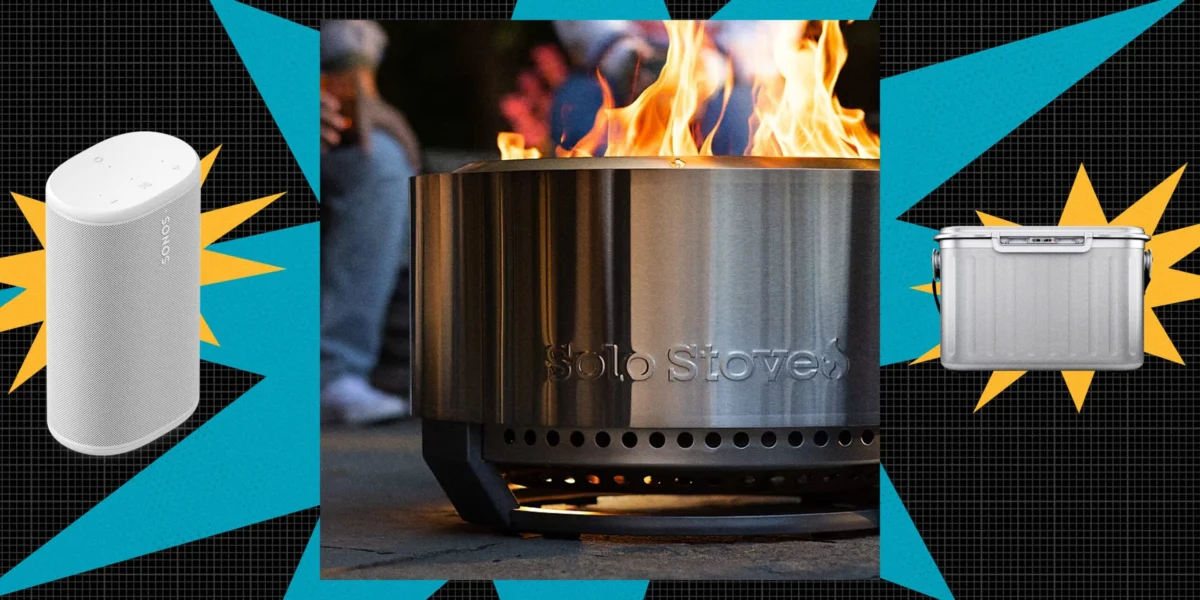
"Modern tailgating has transitioned from a casual parking lot ritual into a sophisticated outdoor lifestyle, where performance-driven engineering and smart technology ensure that the pre-game experience is as high-stakes as the match itself."

The American tailgate has undergone a radical transformation over the last decade, evolving from a simple gathering of folding chairs and charcoal grills into a high-tech display of hospitality and industrial design. As fans seek to bridge the gap between home comfort and the rugged environment of a stadium parking lot, a new tier of premium gear has emerged, prioritizing portability, thermal efficiency, and digital connectivity to create a seamless transition from the driveway to the kickoff.

The New Architecture of the Parking Lot
For decades, the "tailgate chair" was a disposable commodity—heavy, prone to rusting, and difficult to transport. The modern era of outdoor furniture, led by brands like Helinox, has challenged this paradigm by applying principles of mid-century minimalism to portable seating. The Helinox Chair One Original represents this shift, utilizing a sophisticated frame that snaps into place in seconds. By moving away from bulky designs toward a canvas-and-vegan-leather aesthetic, manufacturers are providing fans with furniture that is as functional as it is stylish. This "portable furniture" approach ensures that comfort does not come at the cost of trunk space, allowing for a more organized and refined setup.

However, seating is only one part of the environmental equation. The unpredictability of sports season weather—ranging from late-summer heatwaves to late-autumn monsoons—has necessitated better shelter solutions. The traditional pop-up tent is increasingly being supplemented or replaced by vehicle-integrated solutions like the ALL-TOP Vehicle Awning. These UV-repellent and waterproof shelters attach directly to the vehicle, providing a stable "base camp" that can be deployed in under a minute. By utilizing rust-proof aluminum and universal mounting designs, these awnings offer a level of durability that temporary tents often lack, serving as a long-term investment for fans who attend games regardless of the forecast.

The Thermal Revolution: From Ice to Electronics
Perhaps the most significant technological leap in tailgating is found in the "cold chain"—the method by which food and beverages are preserved. The industry is currently split between two high-performance philosophies: advanced passive insulation and active refrigeration.

On the passive side, the Oyster Tempo Pro represents the pinnacle of thermal engineering. Moving away from the thick, plastic-walled "rotomolded" designs of the past, the Tempo Pro utilizes vacuum-insulated aluminum. This allows for thinner walls and more internal storage space without sacrificing ice retention. With a built-in digital thermometer and the ability to open from either side with one hand, it treats the preservation of beverages as a precision task rather than a brute-force one. Similarly, soft-sided options like the RTIC Ultra-Tough Soft Cooler Pro offer a lighter, more mobile alternative. These units are designed to be waterproof and leakproof, often doubling as floating coolers for fans who take their pre-game festivities to the water.

Conversely, the rise of the "portable refrigerator" is personified by units like the Dometic CFX3 35. This powered cooler eliminates the need for ice entirely, utilizing a compressor to reach temperatures as low as 7 degrees Fahrenheit. Controlled via a smartphone app and featuring a high-resolution touchscreen, the Dometic allows fans to keep perishables—from raw steaks to delicate appetizers—at precise temperatures for hours. This shift from "cooling with ice" to "active refrigeration" represents the ultimate luxury for the dedicated tailgater, ensuring that food safety is never a concern during an all-day event.

Precision Cooking and the Return of the Flame
The culinary aspect of the tailgate has moved far beyond the basic hot dog. Fans are now bringing professional-grade cooking surfaces to the stadium, seeking the "Maillard reaction" and wood-fired flavors once reserved for backyard smokehouses. The Kamado Joe Jr. brings the legendary ceramic grill design to a portable scale. Its thick ceramic walls and superior venting allow for precise temperature control, making it possible to smoke ribs or sear steaks with the same consistency as a full-sized unit.

For those who prefer a more primal experience, the Solo Stove Summit has redefined the portable fire pit. By utilizing a unique airflow system that promotes secondary combustion, the Solo Stove creates a nearly smokeless flame that lights three times faster than traditional models. This allows fans to enjoy the warmth and ambiance of a campfire—and even cook over it with specialized add-ons like pizza ovens—without the lingering smell of smoke on their clothes. These tools highlight a broader trend: the desire for "primitive entertainment" supported by modern safety and efficiency.

The Digital Tailgate: Power and Atmosphere
A modern game day is a data-heavy event. Between monitoring fantasy football stats, watching pre-game coverage on laptops, and managing digital tickets, power management has become a critical utility. The Anker Laptop Power Bank serves as the central hub for this digital ecosystem, capable of charging four devices simultaneously. With real-time smart displays and high-wattage output, these power banks ensure that a fan’s connectivity isn’t tethered to their vehicle’s battery, allowing the "home office" to move to the parking lot.

Atmosphere, meanwhile, is dictated by acoustic quality. The Sonos Move (or "Play" series) has set a new standard for portable audio, offering a seamless transition between Wi-Fi and Bluetooth. Unlike the tinny, disposable speakers of the past, these units provide "boisterous acoustics" and deep bass that can cut through the noise of a crowded parking lot. Being waterproof and drop-proof, they are built to survive the high-energy environment of a stadium, ensuring that the team’s fight song or the latest podcast sounds professional.

Social Dynamics and the Death of the Disposable
Finally, the modern tailgate is increasingly defined by a move toward sustainability and "adult" accessories. The era of the red solo cup is being challenged by high-end, reusable vessels like the Corkcicle Eco Stacker and the Yeti Rambler Logo Tumbler. These stainless steel, vacuum-insulated cups keep drinks at the desired temperature for hours, a feat impossible for plastic disposables. By offering team-branded designs and dishwasher-safe durability, these brands have turned the drinking vessel into a piece of fan identity.

This sense of community is further fostered through high-quality yard games. While cornhole remains the gold standard, the equipment has seen an upgrade. Sets made of natural wood with all-weather fabric bags, such as those found in the NFL IDNA collection, provide a more tactile and "pro-level" feel. Even classic games like Ladder Ball have been elevated through the use of premium materials like New Zealand pine, replacing flimsy plastic frames with 10-pound wooden structures that can withstand the rigors of a season.

When the temperature drops, the "Gametime Puffy Blanket" from Rumpl offers a final layer of tech-infused comfort. Utilizing materials found in premium sleeping bags and featuring a "cape clip" for hands-free wear, these blankets are a far cry from the heavy wool rugs of the past. They provide weather resistance and warmth while being compressible enough to fit into a stadium-approved bag.

Conclusion
The equipment featured in today’s most successful tailgates reflects a broader cultural shift toward quality over quantity. By investing in gear that leverages vacuum insulation, digital monitoring, and lightweight alloys, sports fans are doing more than just waiting for a game; they are creating a curated, high-performance environment. As technology continues to shrink and become more durable, the line between the comforts of the living room and the excitement of the parking lot will only continue to blur, making the tailgate an essential—and highly engineered—part of the sporting experience.
