
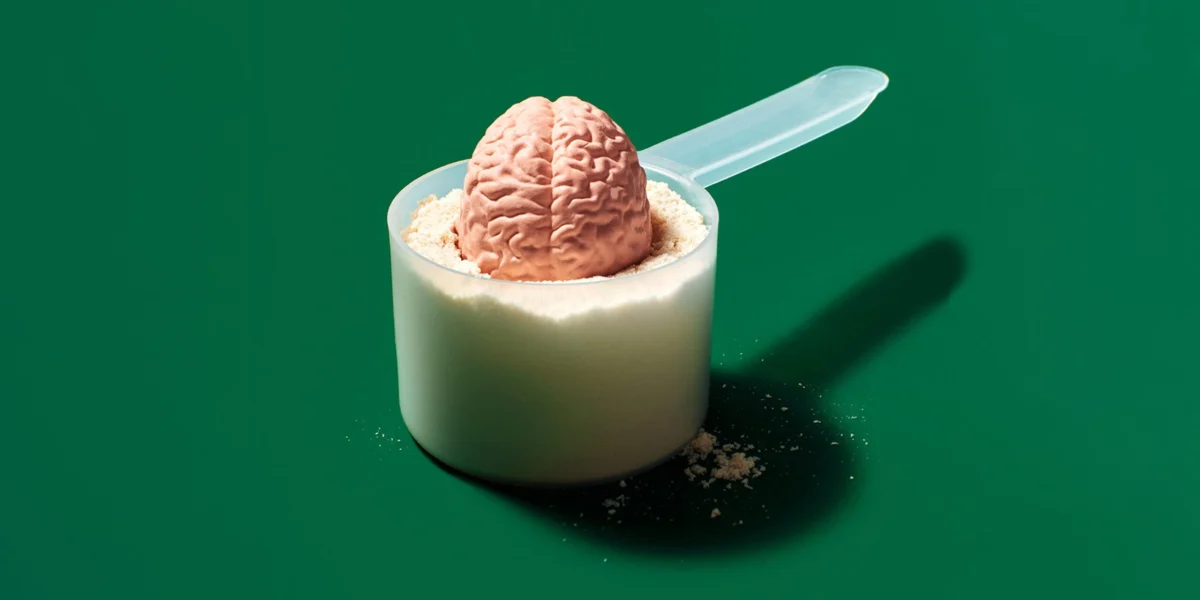
"Once synonymous with bodybuilding and athletic performance, creatine is emerging as a critical tool for neurological health, offering potential benefits for memory, focus, and recovery from sleep deprivation."
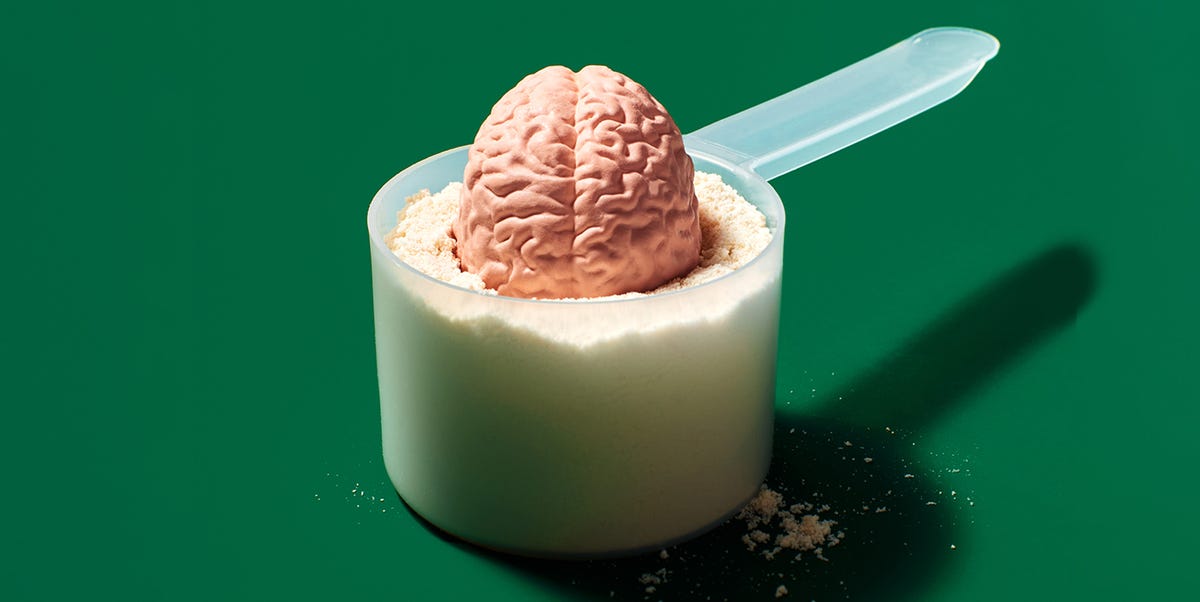
The transformation of creatine monohydrate from a niche supplement relegated to the "hardcore" gym scene to a mainstream wellness staple marks one of the most significant shifts in nutritional science over the last three decades. Long praised for its ability to fuel short bursts of high-intensity physical activity, a growing body of clinical research now suggests that the same metabolic pathways that build muscle may also be vital for fortifying the human brain against age-related decline and cognitive fatigue.
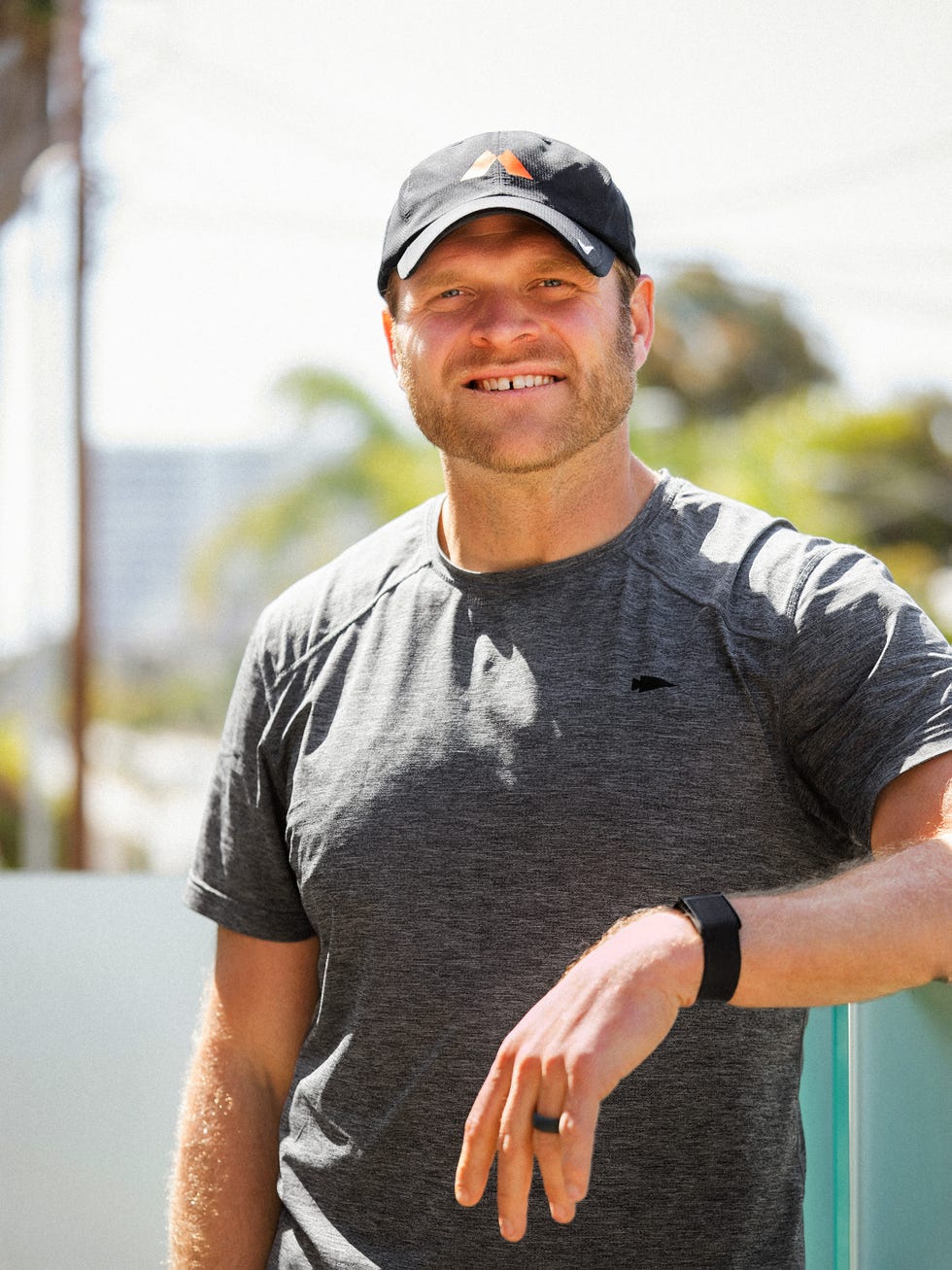
In a small Missouri pharmacy, 31-year-old pharmacist Drew Dible exemplifies this cultural and scientific shift. At 6’4" and 200 pounds, Dible has always maintained a rigorous fitness regimen of distance running and weightlifting, yet he remained skeptical of the supplement industry for years, viewing most products as overpriced "wellness scams." However, Dible now begins his day by measuring out a five-gram dose of creatine monohydrate. He isn’t chasing a personal record in the 10K or trying to add an inch to his biceps; he is taking it to hedge against mental decline and to sharpen his focus during the long, demanding hours of his pharmaceutical practice.

Dible’s journey into creatine supplementation was spurred by the "Huberman effect." Andrew Huberman, PhD, an associate professor of neurobiology at Stanford Medicine and host of the influential Huberman Lab podcast, has become a primary catalyst for creatine’s rebranding. Since 2021, Huberman has dedicated numerous episodes to the supplement, extolling its virtues not just for the body, but for the mind. Alongside other longevity experts like Dr. Peter Attia and media figures like Joe Rogan, Huberman has helped move creatine into the "biohacking" and "optimization" mainstream. The message is clear: creatine is no longer just for the athlete; it is for anyone with a brain.
To understand the future of creatine, one must look back at its checkered past. Biologically, creatine is a nitrogenous organic acid found naturally in red meat, fish, and milk. The human body produces it in small quantities, primarily in the liver and kidneys, to help replenish adenosine triphosphate (ATP)—the primary energy currency of the cell. While the synthetic form, creatine monohydrate, became commercially available in 1993, its early years were mired in controversy and misinformation.

In the 1990s, the supplement industry was a "Wild West." The Dietary Supplement Health and Education Act (DSHEA) of 1994 provided some FDA oversight, but third-party testing to verify purity and safety didn’t gain traction until the turn of the millennium. During this era, creatine was frequently unfairly linked to anabolic steroids. Rumors persisted that it would destroy the kidneys, wreck the liver, and cause extreme water retention. This stigma reached a fever pitch in 1997 when a New York Times report linked the deaths of three collegiate wrestlers to creatine use. Although the FDA later cleared creatine, suggesting the weight-loss drug ephedrine and extreme dehydration were the actual culprits, the damage to creatine’s reputation was done.
The "redemption arc" of creatine began in the laboratories of researchers like Dr. Darren Candow, Dr. Richard Kreider, and Dr. Scott Forbes. Over two decades, these scientists systematically debunked the myths surrounding the supplement. In 2003, a landmark study by Kreider showed that long-term supplementation (up to 21 months) produced no adverse effects on kidney or liver function. By 2007, the International Society of Sports Nutrition (ISSN) officially declared creatine monohydrate to be "safe, effective, and ethical."
As the safety profile was solidified, researchers began to notice a curious trend in the data: the benefits were not limited to the musculoskeletal system. The brain, while not a muscle, is the most metabolically active organ in the body, accounting for roughly 20% of total energy consumption. Like muscle tissue, neurons rely heavily on ATP for cellular function. This led to a hypothesis that has now become a focal point of modern neuroscience: if creatine increases ATP availability in the muscles, could it do the same for the gray matter?
Dr. Shawn Arent, chair of the Department of Exercise Science at the University of South Carolina, notes that we are seeing a massive expansion in the applications of creatine. A 2024 meta-analysis published in Frontiers in Nutrition reviewed 16 studies and concluded that creatine supplementation could improve memory, attention, and information processing in adults. Perhaps even more striking is a study from Scientific Reports suggesting that a high dose of creatine (15 to 20 grams) can mitigate the cognitive "brain fog" and fatigue associated with a bad night’s sleep by revving up the brain’s mitochondria.

This scientific momentum has translated into a massive commercial boom. The Vitamin Shoppe reported a 120% year-over-year increase in creatine sales in 2023. The global market, currently valued at over $500 million, is projected to nearly double to $923 million by 2033. Leading this charge are "human performance" companies like Momentous, Thorne, and Onnit. Momentous, in particular, has pivoted its marketing to highlight "cognitive function" alongside muscle performance on its labels. Jeff Byers, the CEO of Momentous and a former NFL center, admits that during his playing days, he only viewed creatine as a bulking agent. Today, under the guidance of scientific advisors like Huberman and Dr. Andy Galpin, his company sells creatine as an essential component of long-term brain health.
However, as creatine moves into the mainstream, experts urge a measured approach to dosing and expectations. While five grams a day is the standard for physical performance, some researchers believe cognitive benefits may require higher doses, potentially up to 10 or 15 grams, to effectively cross the blood-brain barrier. Furthermore, the source of the supplement matters. The market is currently flooded with uncertified products that may be tainted or contain lower-than-advertised levels of the compound. Experts recommend looking for "creapure" or third-party certifications (such as NSF Certified for Sport) to ensure purity.

A significant caveat remains in the existing research: much of the "miraculous" cognitive improvement observed in studies occurs in populations that are already creatine-deficient. This includes vegans and vegetarians (who do not get creatine from animal proteins), the elderly (whose natural production declines), and individuals under extreme metabolic stress, such as the sleep-deprived. Dr. Peter Robinson, a neurologist at The Ohio State University, warns that we must be careful about extrapolating these results to healthy, well-rested individuals. "Creatine doesn’t appear likely to turn healthy individuals into superhumans," Robinson notes, emphasizing that for many, it acts more as a "deficiency corrector" than a "brain booster."
Despite these nuances, the consensus in the scientific community is shifting toward viewing creatine as a foundational health supplement, perhaps even more vital than a daily multivitamin. For seniors, it offers a dual benefit: protecting against sarcopenia (age-related muscle loss) while potentially slowing the cognitive decline associated with neurodegenerative diseases. For the "over-30" demographic, like Dible, it serves as a relatively inexpensive insurance policy against the daily distractions and mental fatigue of modern life.

As the global population ages and the demand for cognitive longevity grows, creatine is poised to remain at the forefront of the wellness industry. It has traveled a long road from the dark corners of bodybuilding gyms to the front shelves of major retailers like Target. While it may not be a magic pill for genius, its role in supporting the fundamental energy requirements of the human brain makes it a rare example of a supplement that actually lives up to the hype. For Drew Dible and millions of others, that small scoop of white powder represents the cutting edge of a new era where we train our minds with the same intensity as our bodies.
