
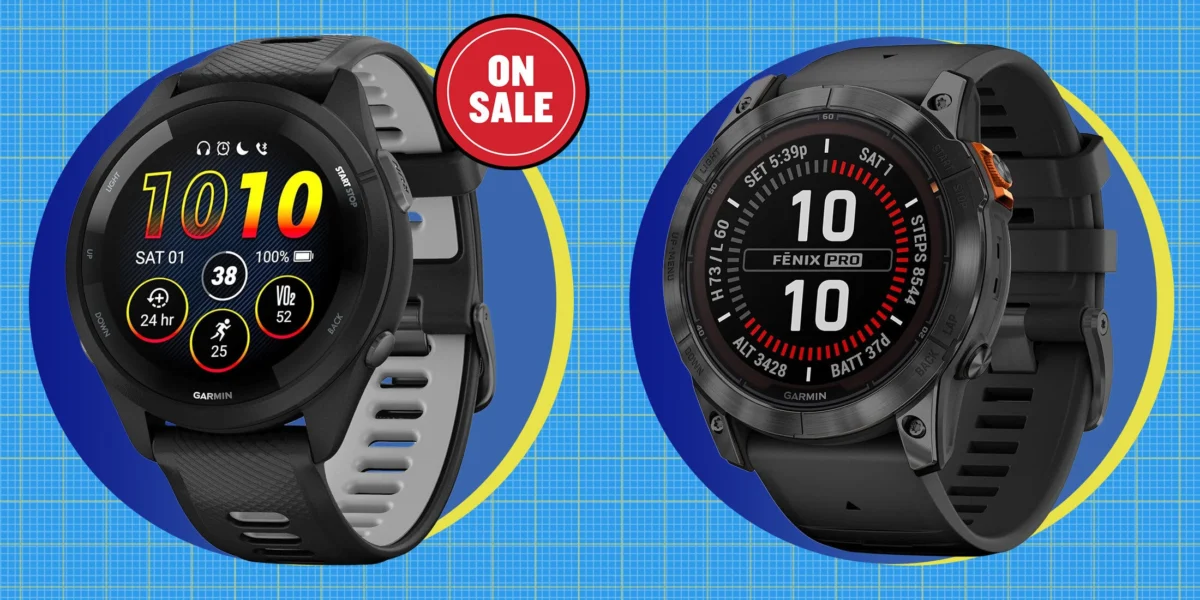
"For the serious outdoor enthusiast, a high-performance Garmin device represents the gold standard in navigation and biometric tracking; current market shifts now offer an unprecedented entry point for military-grade rugged technology at consumer-level pricing."
As the seasonal transition toward autumn begins, major retailers are recalibrating their inventories, resulting in substantial discounts on premium fitness technology that rarely sees such aggressive price cutting. Garmin, a brand that has historically dominated the niche of high-end GPS and multisport watches, is currently at the center of this trend, with sales reaching up to 52 percent off on Amazon. This shift represents a strategic opportunity for hikers, trail runners, and endurance athletes to secure professional-grade equipment—such as the Fēnix 7X Pro Solar and the Mini3 Dash Cam—at a fraction of their typical market value, bridging the gap between casual fitness tracking and elite performance monitoring.
The Evolution of the Outdoor Wearable Market
For years, the wearable market was neatly divided into two distinct categories: the everyday smartwatch, led by the Apple Watch and Fitbit, and the specialized performance computer, led by Garmin. While the former focused on seamless smartphone integration and general wellness, the latter prioritized battery longevity, GPS accuracy in remote environments, and structural durability. However, as the "gorpcore" trend and outdoor fitness culture have moved into the mainstream, the demand for rugged tech has surged.
Garmin’s dominance in this sector is not merely a matter of branding but of engineering. Unlike standard smartwatches that may struggle with battery life when GPS is engaged for more than a few hours, Garmin devices are built for multi-day expeditions. The current sale highlights a pivotal moment where these high-end tools are becoming accessible to a broader demographic of fitness enthusiasts who require more than just a step counter.
The Fēnix 7X Pro Solar: A Case Study in Endurance
One of the most significant inclusions in the current sale is the Fēnix 7X Pro Solar, which has seen a price reduction of over $250. To understand the value of this discount, one must look at the specific technology housed within the device. The "Solar" designation refers to Garmin’s proprietary Power Glass lens, which utilizes a transparent solar charging layer to extend battery life significantly beyond traditional charging methods. In a world where most smartwatches require a nightly tether to a power outlet, the Fēnix 7X Pro can last for weeks in smartwatch mode and dozens of hours in full GPS mode.

For the trail runner or the long-distance hiker, this is not a luxury but a safety feature. The device offers multi-band GPS, which allows for greater accuracy in challenging environments like deep canyons or dense forest canopies where standard GPS signals might fail. Furthermore, the 7X Pro includes a built-in LED flashlight—a feature that sounds utilitarian until a hiker finds themselves losing daylight on a descent. By discounting this model so heavily, the market is effectively lowering the barrier to entry for the most sophisticated navigation tool available to the public.
Beyond the Wrist: The Strategic Value of the Dash Cam
The current sale extends beyond the realm of wearable fitness, touching upon Garmin’s heritage in automotive navigation. The Mini3 Dash Cam, currently discounted by 30 percent, represents a different kind of "outdoor" security. In an era of increasing insurance complexities and road incidents, a dash cam has transitioned from a gadget for enthusiasts to a necessary tool for financial and legal protection.
The Mini3 is notable for its ultracompact footprint, designed to hide behind a rearview mirror without obstructing the driver’s field of vision. Despite its size, it captures high-definition 1440p video with a 140-degree field of view. The inclusion of voice control allows drivers to save video clips or start/stop audio recording without taking their hands off the wheel. This integration of safety and technology mirrors Garmin’s philosophy in their watch line: providing the user with critical data and peace of mind without interfering with the primary activity, whether that is driving or mountaineering.
The Longevity of Legacy Models
A common concern during major sales is whether older models remain viable in a rapidly advancing tech landscape. In the world of Garmin, the answer is often a resounding yes. Unlike smartphones, which may suffer from planned obsolescence or significant software slowdowns within two years, Garmin’s hardware cycles are built for longevity.
The "substantial price cuts on older models" mentioned by industry experts reflect a market clearing for the very latest iterations, yet the functional gap between a previous-generation Garmin and the newest version is often incremental rather than revolutionary. A Fēnix 6 or an older Forerunner model still provides world-class heart rate monitoring, sleep tracking, and GPS navigation. For many users, the 52 percent discount on a slightly older model offers a better value proposition than paying full price for the newest release, especially since Garmin continues to provide software updates and "feature drops" to its older ecosystem for years.
Biometric Data and the "Body Battery"
What sets Garmin apart in the eyes of publications like Men’s Health is the depth of its data analysis. Beyond simple metrics, Garmin utilizes Firstbeat Analytics to provide insights such as "Body Battery," which estimates a user’s energy levels throughout the day by analyzing heart rate variability (HRV), stress, and activity.
This level of insight is particularly valuable during the autumn season, as athletes often transition their training loads or prepare for late-year marathons and races. Understanding recovery is as important as understanding the workout itself. The ability to monitor "Training Readiness"—a score that tells you how hard you should push based on your previous night’s sleep and recent exertion—is a feature that has historically been locked behind a $600+ price tag. With current discounts, this level of professional coaching is now available at a mid-market price point.
The Competition: Garmin vs. The Field
While the Apple Watch Ultra has attempted to make inroads into the rugged outdoor market, Garmin remains the preference for those who prioritize "function over flash." The Apple ecosystem offers superior cellular integration and a vibrant OLED screen, but it often falls short in the specific metrics that outdoor professionals require, such as TopoActive maps and heat-adjusted VO2 Max.
Furthermore, Garmin’s use of Memory-in-Pixel (MIP) displays on many of its outdoor models ensures that the screen is perfectly readable in direct sunlight—the exact conditions where traditional smartwatch screens often wash out. This focus on the "adventurous workout" umbrella—hiking, rock climbing, and trail running—ensures that Garmin’s design choices remain focused on the needs of the athlete rather than the needs of the office worker.
Conclusion: A Strategic Window for Upgrading
The current Amazon sale on Garmin products is more than just a standard retail discount; it is a recalibration of value for some of the most durable technology on the market. Whether it is the Fēnix 7X Pro Solar for the mountain athlete or the Mini3 Dash Cam for the safety-conscious driver, these price drops allow users to invest in gear that will likely last for the next five to seven years.
As outdoor enthusiasts prepare for the cooler months and the unique challenges of autumn and winter terrain, the importance of reliable, high-end equipment cannot be overstated. With discounts reaching over 50 percent, the "Garmin tax"—the premium price usually paid for this level of reliability—has been temporarily suspended, offering a rare window to acquire elite-tier performance tools at an entry-level cost. For those who have been waiting to move beyond the basics of a standard fitness tracker, the current market conditions suggest that there is no better time to make the transition.
