
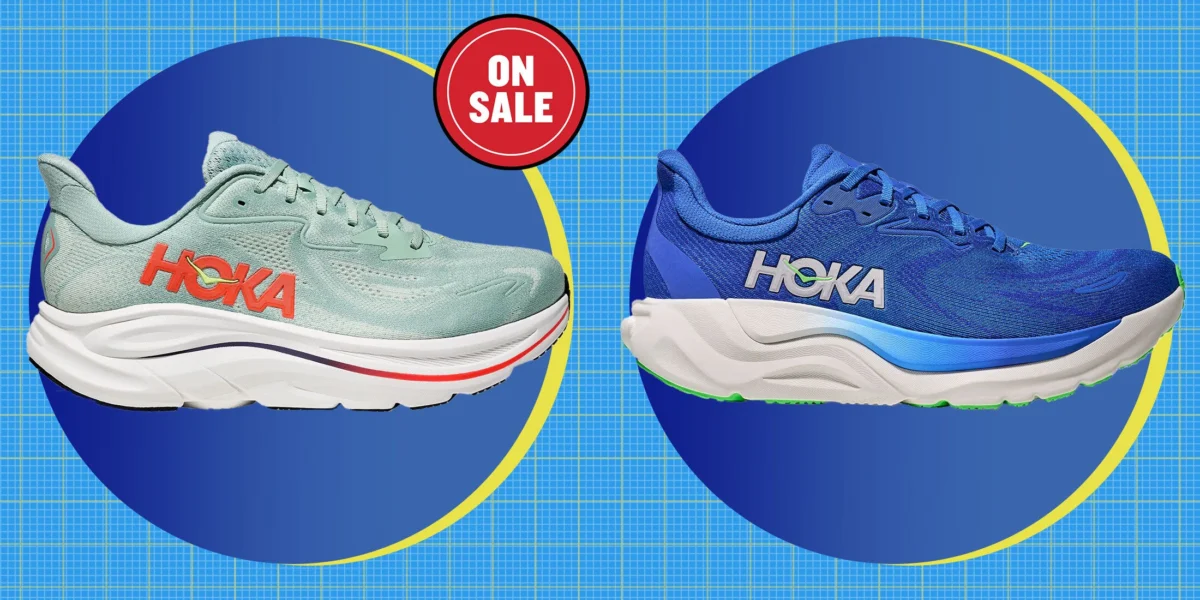
“As seasonal transitions demand a shift in biomechanical support, Hoka’s fall sale offers a strategic opportunity to invest in maximalist cushioning technology that bridges the gap between high-performance running and daily urban utility.”
The transition from the relaxed pace of summer to the structured routines of autumn necessitates a rigorous reevaluation of footwear, particularly for individuals balancing athletic training with the physical demands of urban commuting. As temperatures drop and training volumes often increase in preparation for fall marathons or general fitness resets, the importance of midsole integrity and impact protection becomes paramount. The current market shift, highlighted by significant seasonal discounts at major retailers like Hoka and Zappos, marks a critical entry point for consumers to access specialized foam technologies that were once reserved for elite ultramarathoners but have now become essential for anyone spending extended hours on their feet.
The Evolution of the Maximalist Paradigm
To understand why Hoka has become a dominant force in both the performance and lifestyle sectors, one must look at the brand’s origins. Founded in 2009 by Nicolas Mermoud and Jean-Luc Diard, Hoka emerged during the peak of the "minimalist" running movement, which advocated for thin-soled, barefoot-style footwear. Hoka took the opposite approach, introducing "maximalist" shoes with oversized midsoles. This design was not merely for aesthetic differentiation; it was a functional response to the need for better shock absorption during long-distance mountain descents.
The "oversized" midsole technology pioneered by Hoka focuses on three core pillars: the cushioned midsole, the active foot frame, and the meta-rocker. The cushioned midsole provides varying degrees of thickness to offer shock absorption without excessive weight. The active foot frame functions like a bucket seat in a race car, cradling the foot deeply within the midsole rather than sitting on top of it. Finally, the meta-rocker—a curved sole design—complements the natural gait cycle, driving the wearer forward and reducing the energy required for toe-off. As fall arrives, these technologies become particularly relevant for those transitioning from soft summer surfaces to the unforgiving concrete of city streets and autumn trails.
The Bondi 9: The Pinnacle of Impact Protection
Among the styles currently seeing seasonal discounts, the Bondi 9 stands as the brand’s most cushioned road-running shoe. For the professional who spends eight to twelve hours standing—whether in a healthcare setting, a classroom, or a retail environment—the Bondi 9 represents a shift from "footwear" to "equipment."
The engineering of the Bondi 9 involves a high-resiliency foam that maintains its structural integrity longer than traditional EVA (ethylene-vinyl acetate) foams. In the context of fall, where the body may feel the "creakiness" of cooling temperatures, the Bondi’s plushness serves a dual purpose. It mitigates the repetitive stress of walking on hard surfaces and provides a stable platform for those with neutral gaits. The shoe’s design features a rear-pedal crash pad, which is engineered to provide a balanced and smooth transition from heel-strike to forefoot. While some critics initially found the Bondi’s silhouette too bulky, the rise of the "chunky sneaker" trend in fashion has allowed this high-performance tool to blend seamlessly into modern wardrobes, making it as viable for a New York City commute as it is for a recovery run.
The Clifton 10: Balancing Speed and Substance
While the Bondi focuses on maximum comfort, the Clifton 10 is widely regarded as the "goldilocks" of the Hoka lineup. It is the quintessential daily trainer, designed to be light enough for tempo runs yet cushioned enough to handle high-mileage weeks. For runners getting back into a "regular routine" this fall, the Clifton 10 offers a more responsive underfoot feel compared to its plush counterparts.
The Clifton series has historically been the gateway shoe for those new to the brand. The tenth iteration continues the legacy of the "Clifton ride," which is characterized by a smooth, consistent feel throughout the gait cycle. It utilizes a compression-molded EVA midsole that is specifically tuned to provide a soft landing followed by a firm, energetic push-off. This balance is critical for the fall runner who may be alternating between treadmill sessions and outdoor pavement miles. The lightweight nature of the Clifton 10 reduces leg fatigue, a vital factor when the body is adapting to the increased physical stressors of a more active autumn schedule.

The Rise of Recovery: The Skyward Laceless
A notable inclusion in the current seasonal shift is the Skyward Laceless, a shoe that represents the burgeoning "recovery" category of footwear. Modern sports science has increasingly emphasized that what an athlete wears after a workout is nearly as important as what they wear during it. The Skyward Laceless is designed with a stretchy, sock-like upper that accommodates the natural swelling of the foot that occurs after long periods of standing or high-intensity exercise.
This "wild card" in the Hoka catalog highlights the brand’s expansion into lifestyle and travel ergonomics. The laceless design is particularly advantageous for frequent travelers navigating airport security or for individuals seeking a high-comfort option for weekend errands. By utilizing the same high-grade cushioning found in their running line, Hoka has created a slip-on that provides orthopedic-level support without the clinical aesthetic. In the fall, when layers of clothing increase and convenience becomes a priority, the ease of a laceless, highly cushioned recovery shoe offers a pragmatic solution for maintaining foot health during downtime.
Biomechanical Implications of Seasonal Footwear Changes
The decision to "swap out summer shoes" is more than a stylistic choice; it is a biomechanical necessity. Summer footwear, such as sandals or lightweight canvas sneakers, often lacks the arch support and heel stability required for the increased activity levels of autumn. As people return to the gym or start training for holiday-season races, the lack of proper support can lead to common overuse injuries such as plantar fasciitis or Achilles tendonitis.
Switching to a structured, cushioned shoe like those offered by Hoka provides the foot with a stable environment to handle increased loads. The transition to fall often involves walking on slicker, leaf-covered, or damp surfaces, where the outsole grip of a performance sneaker provides significantly better traction than a standard lifestyle shoe. The "deep bucket" seat of the Hoka foot frame ensures that the heel remains locked in place, reducing the risk of lateral slips or ankle rolls—a common hazard during the transitional weather of late September and October.
Market Dynamics and the Value of the "Fall Sale"
The footwear industry typically operates on a seasonal release cycle, with fall being a primary window for clearing inventory to make room for winter and spring innovations. For the savvy consumer, this period represents a rare opportunity to acquire premium technology at a reduced price point. The fact that these sales are occurring simultaneously on Hoka’s proprietary site and through major distributors like Zappos suggests a strategic push to capture the "back-to-routine" market.
Investing in high-quality footwear is often a deterrent for many due to the premium price tags associated with specialized foams and carbon-plate technologies. However, the longevity of Hoka shoes—often cited for their ability to maintain cushioning properties for 400 to 500 miles—makes them a cost-effective choice in the long run. When these shoes are discounted, the "cost-per-wear" ratio becomes even more favorable, especially for the "everyday athlete" who uses the same pair of shoes for commuting, working, and light exercise.
Conclusion: A Foundation for the Season Ahead
As we move deeper into the fall season, the physical demands of our daily lives require a foundation that can withstand the pressure. Whether it is the ultra-plush Bondi 9 for those who spend all day on their feet, the versatile Clifton 10 for the dedicated daily runner, or the Skyward Laceless for the traveler seeking recovery, the current footwear landscape offers a solution for every use case.
By leveraging the engineering of maximalist cushioning, individuals can protect their joints, reduce fatigue, and maintain a higher level of activity throughout the cooler months. The seasonal transition is not just about changing the color of one’s wardrobe; it is about providing the body with the mechanical advantages necessary to navigate a busier, more demanding schedule. For those who have worn their current pairs "into the ground," the current market availability serves as a timely reminder that foot health is the literal base of overall physical wellness.
