
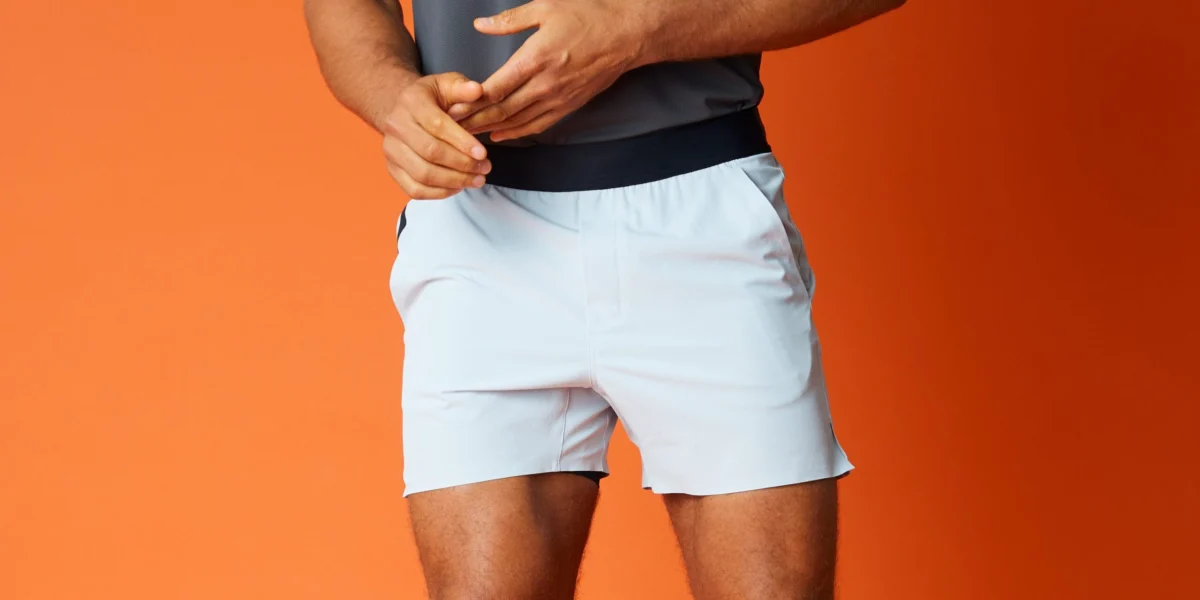
"Modern athletic shorts have evolved beyond mere gym attire into high-performance tools engineered for specific biomechanical needs, balancing technical durability with lifestyle versatility."
The landscape of men’s fitness apparel has undergone a radical transformation over the last decade, shifting from generic cotton basics to highly engineered garments designed for specific physiological demands. Today’s performance shorts are defined by a complex interplay of textile science—utilizing advanced synthetic blends and moisture-wicking technologies—and functional design elements like variable inseam lengths and integrated compression liners. This evolution reflects a broader trend in the fitness industry where gear is expected to perform under the duress of high-intensity interval training (HIIT) while remaining aesthetically suitable for post-workout environments.

The Engineering of Modern Athletic Textiles
To understand the current market leaders in men’s shorts, one must first look at the materials that comprise them. Most high-end performance shorts utilize a base of polyester or nylon blended with elastane (often referred to by the brand name Lycra or Spandex). Polyester is favored for its hydrophobic properties, meaning it resists water absorption and dries quickly, while nylon offers superior abrasion resistance and a smoother hand-feel.
The inclusion of elastane, typically in a ratio of 10% to 30%, provides the "four-way stretch" that is essential for movements like deep squats, lunges, and sprints. Without this elasticity, the fabric would create resistance against the athlete’s range of motion, potentially leading to mechanical inefficiency or garment failure. Furthermore, many modern brands are now prioritizing recycled synthetics, reflecting a shift toward environmental sustainability without sacrificing the tensile strength of the fibers.
The Versatility Standard: Ten Thousand Interval Short
Among the most respected entries in the performance category is the Ten Thousand Interval Short. Positioned as the "gritty MVP" of the gym, this garment is designed for athletes who require a single piece of gear capable of transitioning between heavy Olympic lifting and high-heart-rate conditioning. The Interval Short utilizes a blend of 86% polyester and 14% spandex, a ratio that provides significant structural integrity while allowing for a full range of motion.

Editorial experts, including NASM-certified trainers, frequently highlight the Interval Short for its "stretchy-yet-solid" feel. This paradox is achieved through a high-density weave that prevents the fabric from feeling flimsy during high-impact movements. Available in 5, 7, and 9-inch inseams, it caters to different stylistic preferences and functional needs. The 5-inch version is often preferred by runners and those focused on maximum leg mobility, while the 7-inch remains the industry standard for general cross-training.
Refined Performance: The Rhone Pursuit Short
Rhone has built a reputation for merging luxury aesthetics with rigorous performance standards. The Pursuit Short, an evolution of their popular Mako model, represents a shift toward even lighter and more breathable textiles. Unlike many competitors that rely on polyester, the Pursuit utilizes a 71% nylon and 29% elastane blend. This higher concentration of elastane, combined with the inherent toughness of nylon, results in a short that feels exceptionally premium but can withstand the friction of a barbell or the repetitive motion of long-distance running.
One of the standout features of the Pursuit Short is its utility-focused pocket design. In the era of large-format smartphones, the "bouncing pocket" syndrome is a common grievance among athletes. Rhone addresses this with secure zippered compartments that keep essentials flush against the hip, preventing distraction during explosive movements like burpees or box jumps. The availability of 20 different colorways further emphasizes Rhone’s commitment to the "athleisure" crossover, where gear must look as good in a café as it does in a squat rack.

Comfort and Sustainability: The Vuori Kore Short
Vuori has carved out a unique niche by focusing on the "Coastal California" lifestyle, which prioritizes soft textures and eco-friendly manufacturing. The Kore Short is distinctive for its use of recycled polyester (48%) and its integrated COOLMAX boxer-brief liner. This liner is a critical component for many athletes, as it provides moisture-wicking support and eliminates the need for separate undergarments, reducing bulk and friction.
The Kore Short is often described as doubling as comfortable loungewear or pajamas, a testament to the "dream-like" softness of the fabric. However, its performance credentials remain intact; the moisture-wicking properties of the COOLMAX technology ensure that the wearer remains dry even during sweat-heavy sessions. While it lacks the zippered security of some other brands, its aesthetic appeal and environmental consciousness make it a favorite for yoga, light training, and recovery days.
Technical Superiority: The Lululemon Pace Breaker
Lululemon’s Pace Breaker is frequently cited as the "unicorn" of the industry—a garment that seems to perform flawlessly regardless of the discipline. The defining characteristic of the Pace Breaker is its thermal regulation. The design incorporates a back mesh panel that acts as a ventilation system for the glutes, a high-heat area during intense leg workouts.

Constructed from 86% recycled polyester, the Pace Breaker features a low-profile waistband that stays secure without digging into the skin. Senior fitness editors have noted the short’s longevity, reporting that even after two years of heavy use and dozens of miles of running, the fabric retains its shape and cooling properties. The "linerless" version is particularly popular among those who prefer to customize their support with specific compression base layers, while the lined version offers a streamlined, all-in-one solution.
Accessibility and Innovation: Nike Form Dri-FIT
For many, Nike remains the entry point into high-performance gear. The Form Dri-FIT 7" Unlined Versatile Short represents the brand’s commitment to making technical apparel accessible. Utilizing 100% recycled polyester, these shorts leverage Nike’s proprietary Dri-FIT technology, which uses a capillary-action structure to pull sweat away from the body to the surface of the fabric for rapid evaporation.
The "Swiss Army knife" analogy is apt here; the unlined design offers maximum freedom of movement and versatility. Because there is no internal liner, the shorts can be easily layered or worn for various sports beyond the gym, such as basketball or tennis. At a more competitive price point than boutique brands, the Nike Form series proves that sustainable, high-performance gear does not always require a premium investment.

Style-Forward Performance: The Alo Circuit Short
Alo Yoga, while rooted in the yoga community, has expanded aggressively into general fitness with products like the Circuit Short. This garment emphasizes a minimal, relaxed fit that aligns with contemporary fashion trends. The 86% polyester and 14% elastane blend provides a "softly swishy" texture that is both sweat-wicking and durable.
The Circuit Short is notable for its deep zippered side pockets, which are designed to hold more than just a key or a card. This focus on "smoothie-bar readiness" highlights the modern consumer’s desire for gear that bridges the gap between a rigorous workout and a social afternoon. Despite its stylish appearance, the technical specs—including a stretchy drawstring waist and variable inseams—ensure it remains a functional piece of equipment for the serious gym-goer.
Conclusion: Selecting the Right Tool for the Task
The diversity in the modern shorts market allows men to tailor their gear to their specific training modalities. For the heavy lifter, the durability of Ten Thousand or Rhone is paramount. For the runner or the athlete focused on metabolic conditioning, the cooling mesh of Lululemon or the lightweight freedom of Nike may be the deciding factor.
Ultimately, the "best" gym short is a subjective determination based on the balance of three factors: fabric technology, functional fit, and aesthetic preference. As textile science continues to advance, we can expect further innovations in heat dissipation, compression mapping, and sustainable sourcing, ensuring that the humble gym short remains a pinnacle of athletic engineering.
