
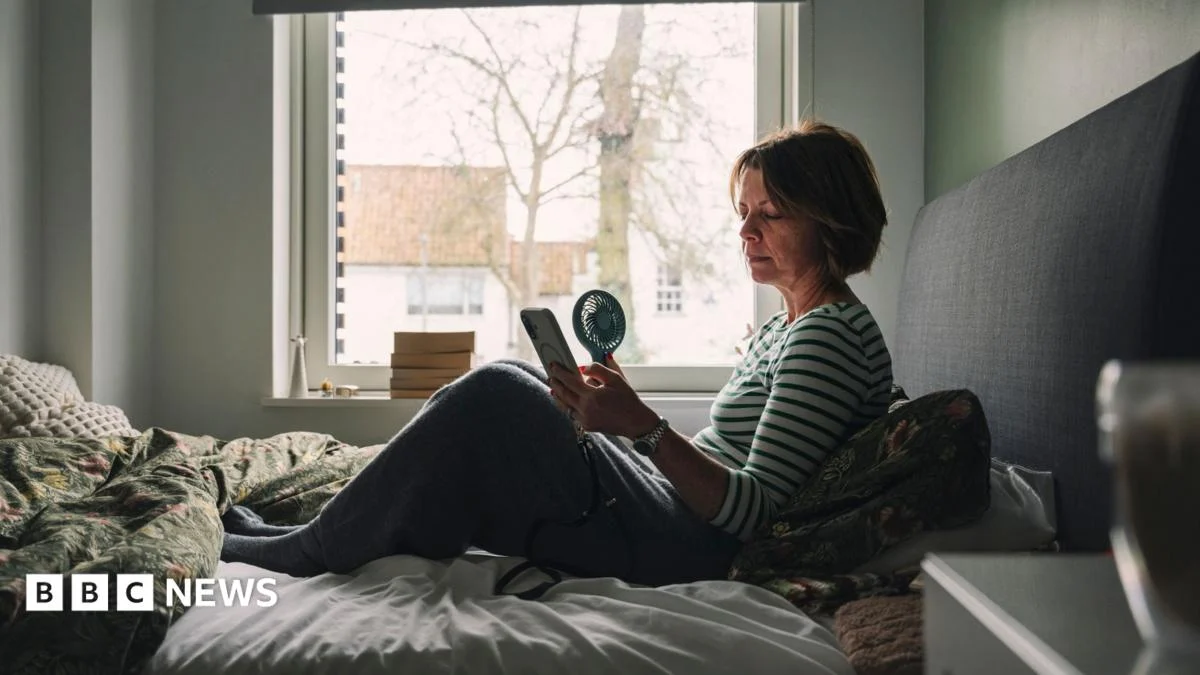
"By allowing partners to physically experience a hot flush through the MenoVest, this pioneering event aims to transcend abstract understanding, fostering profound empathy and illuminating the often-hidden complexities of menopause for all."
A groundbreaking initiative in Hull next month is set to revolutionise how partners and the wider community perceive menopause, moving beyond theoretical knowledge to direct, sensory experience. Organised by the Menopaus’ull Support Network, the event will feature a unique "MenoVest" developed by health group Over The Bloody Moon, designed to simulate a hot flush – one of the most common and often debilitating symptoms of menopause. This immersive approach seeks to build a deeper understanding and empathy, particularly among men, for the multifaceted challenges women navigate during this significant life stage.
The upcoming Menopaus’ull Support Network event, scheduled to take place at Princes Quay shopping centre in Hull on October 17th, from 10:30 BST to 14:30 BST, is a direct response to the growing recognition that menopause is not merely a personal journey but a societal one. Central to this event is the innovative MenoVest, a device engineered to replicate the intense, sudden sensation of a hot flush. The decision to specifically invite partners, and men in particular, to try the vest underscores a critical shift in how support for menopausal women is being conceptualised. Sarah Weichardt, who co-manages the Menopaus’ull project, articulated this vision, stating the aim is for participants to "understand what women go through," moving beyond abstract sympathy to concrete empathy.
The MenoVest experience extends beyond simple physical discomfort. As Weichardt highlights, "It’s not just a hot flush, it’s what the hot flush brings with it." This includes the accompanying feelings of panic and anxiety that often surge alongside the sudden internal heat. The vest is designed to induce this complex physiological and psychological response, allowing wearers to grasp the disruptive and often overwhelming nature of these episodes. Imagine a sudden, uncontrollable surge of heat, often accompanied by sweating, heart palpitations, and an intense feeling of dread or vulnerability, triggering a primal fight-or-flight sensation. For those who have never experienced it, this simulation offers a powerful, albeit temporary, insight into a daily reality for millions of women. By experiencing the multi-faceted impact – the physical discomfort intertwined with the emotional distress – participants are likely to gain a more profound and lasting understanding, far surpassing what mere verbal descriptions can convey. The hope is that this direct experience will foster a "better understanding" and encourage greater support within personal relationships and the wider community.
Menopause, fundamentally, marks the natural cessation of a woman’s menstrual cycles, signifying the end of her reproductive years. This biological transition typically occurs around the age of 50, though it can vary significantly, with some women experiencing it earlier or later. The period preceding menopause is known as perimenopause, a phase that can last for several years and is often characterised by unpredictable menstrual periods, fluctuating hormone levels, and the onset of many menopausal symptoms. These hormonal shifts, primarily a decline in oestrogen, orchestrate a cascade of changes throughout the body, leading to a diverse array of symptoms that can profoundly impact a woman’s quality of life.
While hot flushes are perhaps the most widely recognised symptom, the menopausal journey encompasses a far broader spectrum of experiences. The Menopaus’ull Support Network, for instance, utilizes a banner listing nearly 40 potential symptoms, a testament to the extensive and often bewildering manifestations of this transition. Beyond the frequently discussed mood shifts, difficulty sleeping, and discomfort during sex, women can experience symptoms such as brain fog, leading to forgetfulness and difficulty concentrating in professional and personal settings; debilitating joint pain that restricts mobility; chronic fatigue that saps energy; migraines; digestive issues; urinary urgency; vaginal dryness causing discomfort; hair thinning; changes in body odour; tinnitus; and even dental problems. This sheer variety and often simultaneous occurrence of symptoms can make diagnosis challenging and lead many women to feel confused, isolated, or believe their symptoms are unrelated to menopause. Weichardt notes that for many women, seeing such a comprehensive list can be a "lightbulb moment," finally connecting disparate symptoms to a single underlying cause and paving the way for targeted support.
The impact of menopause extends deeply into personal relationships, particularly with partners. A lack of understanding and empathy from a partner can exacerbate feelings of isolation and distress for a woman already grappling with challenging symptoms. Mood swings, reduced libido, and sleep disturbances can strain communication, intimacy, and overall relationship dynamics. Without an empathetic approach, partners might misinterpret symptoms as disinterest or irritability, leading to friction and emotional distance. Events like the MenoVest experience are crucial for bridging this empathy gap, transforming potential misunderstanding into informed compassion. When partners can genuinely comprehend the physical and emotional toll, they are better equipped to offer patience, practical support – such as helping manage household chores or creating a cooler sleep environment – and emotional reassurance, strengthening the relationship rather than allowing menopause to become a wedge. This shared understanding fosters a collaborative approach, ensuring the woman feels seen, heard, and supported throughout her transition.
Beyond individual relationships, menopause is increasingly recognised as a significant societal and economic issue. Historically shrouded in silence and often dismissed, the conversation around menopause has gained unprecedented momentum in recent years. This cultural shift acknowledges the profound impact menopause has on women’s careers, productivity, and overall contribution to the workforce. Many women, often at the peak of their professional lives, find themselves struggling with debilitating symptoms that affect concentration, confidence, and energy levels. Brain fog, severe hot flushes during meetings, and sleep deprivation can severely impair performance and professional engagement. Without adequate workplace support or understanding – such as flexible working arrangements, access to cooler environments, dedicated quiet spaces, or trained menopause champions – some women feel compelled to reduce their hours, step back from promotions, or even leave their jobs entirely. This leads to a significant loss of experienced talent and exacerbates gender pay and pension gaps. Creating supportive environments, through education and practical accommodations, is therefore not just a matter of individual well-being but a strategic imperative for businesses and the economy, ensuring women can thrive through all life stages.
The "lightbulb moment" Weichardt describes, where women recognise their symptoms as part of menopause or perimenopause, is often the first crucial step towards seeking appropriate support. This acceptance is pivotal, enabling women to move from confusion and self-doubt to proactive management of their health. The profound psychological relief that comes with understanding one’s own body and symptoms cannot be overstated; it transforms a bewildering and isolating experience into a manageable health journey. Support can come in many forms: medical interventions like Hormone Replacement Therapy (HRT), which can alleviate many symptoms by replacing declining hormones; lifestyle adjustments focusing on diet, exercise, and stress management; complementary therapies; and crucially, peer support networks. These networks provide a safe space for women to share experiences, gain insights, and find solidarity, reducing feelings of isolation and fostering a sense of community and empowerment. The Menopaus’ull Support Network exemplifies this vital community role, offering accessible platforms for education and connection, empowering women to advocate for their own health.
Such community-led initiatives are instrumental in demystifying menopause and fostering a culture of open dialogue. Organisations like Over The Bloody Moon, with their innovative tools like the MenoVest, and local groups such as Menopaus’ull Support Network, play a pivotal role in empowering women and educating their wider support circles. By bringing these conversations and experiences into public spaces, like shopping centres and community churches, they break down societal barriers and make information and support more accessible to everyone, normalising a natural biological process that has long been stigmatised. These events are not just about symptom management; they are about validating women’s experiences, building a more understanding and supportive society, and ultimately improving health outcomes and quality of life for millions.
For those interested in participating in this vital educational effort, the Menopaus’ull Support Network event in Hull will be held at Princes Quay shopping centre on October 17th, from 10:30 until 14:30 BST. Additionally, another support event is scheduled for Beverley on October 10th, between 10:30 and 13:30 BST, at the Toll Gavel Church. These events represent a unique opportunity for individuals, especially partners and family members, to gain invaluable insight into the realities of menopause, fostering empathy, encouraging open dialogue, and ultimately contributing to a more supportive environment for women navigating this significant life transition. The more people who experience and understand, the greater the collective capacity to provide meaningful support.
