
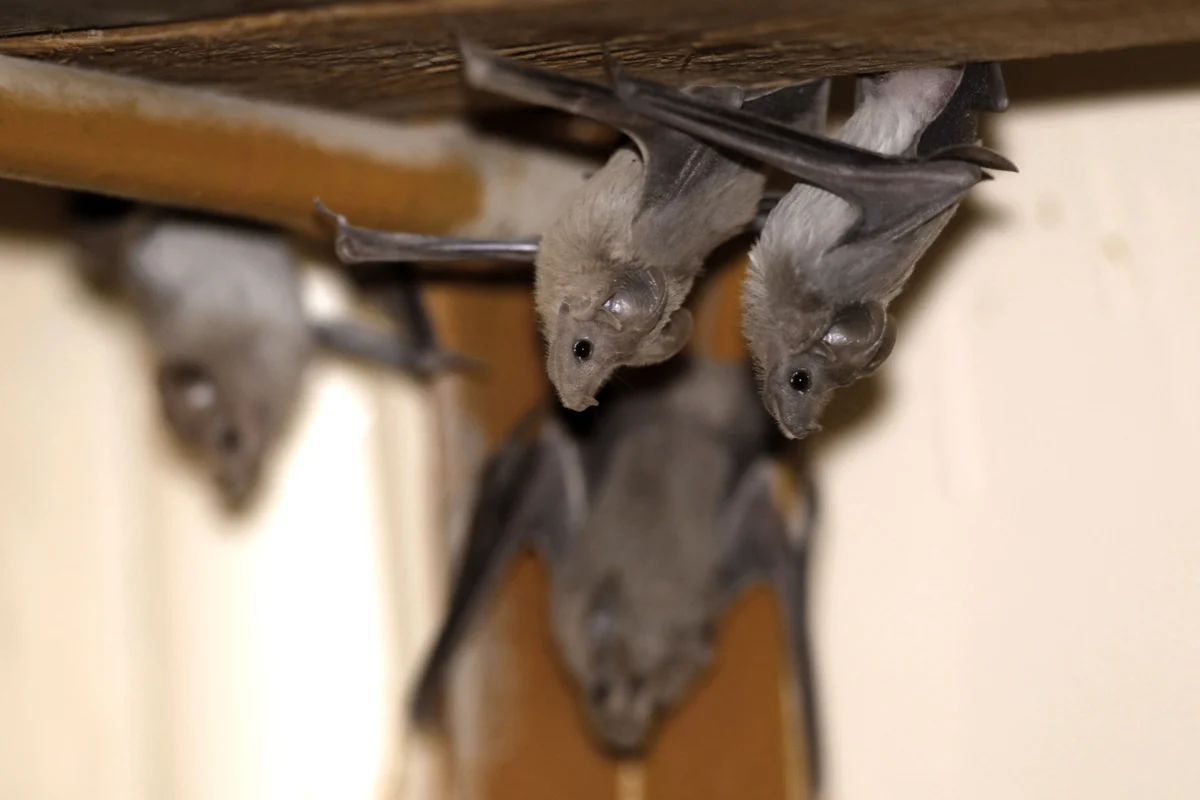
"As Los Angeles County nears its all-time record for rabid bat detections, health officials urge heightened vigilance, emphasizing that even seemingly minor contact with bats can necessitate costly post-exposure treatment and pose risks to unvaccinated pets."
Los Angeles County is on the cusp of a grim record, with 66 rabid bats confirmed so far this year, just two shy of the 2021 all-time high of 68. This surge, detailed in the Los Angeles County Department of Public Health’s 2026 rabies map, underscores a growing concern across California. Statewide, provisional figures from the California Department of Public Health reveal a total of 252 rabid animals identified between January 1 and August 31, a number that already rivals the entirety of previous years and highlights a significant increase in wildlife rabies activity. The overwhelming majority of these statewide cases, 232, involve bats, with additional cases reported in skunks and one dog, indicating a widespread issue primarily centered on these nocturnal mammals.
The implications of these animal cases extend directly to public health and household safety. Unlike reported animal infections, the true measure of risk for residents lies in exposure. This year, rabid bats have been detected in numerous residential areas within Los Angeles County, including backyards, driveways, swimming pools, and patios. Disturbingly, several instances have involved bats found inside homes, often in close proximity to domestic pets like dogs and cats. Such encounters, even if seemingly insignificant or unnoticed, can trigger a cascade of necessary, and expensive, rabies post-exposure prophylaxis (PEP) for humans, alongside stringent quarantine or treatment protocols for unvaccinated companion animals. The proximity of these detections to family living spaces amplifies the need for awareness and caution among residents.
A Statewide Surge Nearing Annual Totals in Just Eight Months
California’s provisional count of 252 rabid animals through August paints a stark picture, closely mirroring the 254 cases recorded for the entire year of 2024 and significantly exceeding the 202 reported for 2023. These figures, compiled from the California Department of Public Health’s (CDPH) animal rabies tables, are subject to change as more data becomes available. The timing of these detections is particularly noteworthy. Rabid bat reports in California typically peak during the warmer months, extending into early autumn. Crucially, the reported statewide total does not yet encompass September and October findings, periods that historically see elevated detection rates. This suggests that the final numbers for 2026 could substantially surpass those of previous years.
Experts note that an increase in reported cases can also be an indicator of heightened public awareness and increased testing efforts. The bats that reach diagnostic laboratories are typically those that have been found and reported by concerned citizens. This correlation suggests that while the virus may be circulating, increased public engagement in reporting potential exposures is playing a role in the observed data. The phenomenon is not isolated to Los Angeles County. Neighboring Ventura County has reported a record 27 rabid bats this year, a significant jump from 22 in the previous year and a mere six the year before. Randy Friedman of Ventura County Animal Services expressed uncertainty regarding the cause of this escalating trend, stating, "We don’t know why this increase is happening." This lack of a clear explanation adds to the urgency of public health advisories.
Santa Clarita Valley Emerges as a Hotspot for Rabies Detections in Los Angeles County
A granular examination of Los Angeles County’s data reveals a significant concentration of rabid bat detections within the Santa Clarita Valley, encompassing areas such as Valencia, Newhall, Canyon Country, Castaic, and Stevenson Ranch. Approximately two-thirds of this year’s confirmed rabid bats have originated from this region. Beyond the Santa Clarita Valley, rabid bats have also been identified in other communities, including Burbank, Glendale, Calabasas, Woodland Hills, Tarzana, Glendora, Monrovia, and various Los Angeles neighborhoods. This widespread distribution across diverse urban and suburban settings underscores the pervasive nature of the issue.
The documented locations where these rabid bats have been found read like a checklist of common household and recreational spaces. They have been discovered in swimming pools, nestled among patio furniture, resting on front porches, and even inside homes – in bedrooms and living rooms. In a particularly concerning trend, several bats have been found in the mouths of domestic dogs, highlighting the potential for direct transmission to pets. The records further indicate that at least three reported exposures involved cats or dogs that were not current on their rabies vaccinations, posing a heightened risk to these animals and their owners.
Reflecting on a similar surge in rabid bat cases last year, Los Angeles County Health Officer Dr. Muntu Davis reiterated a fundamental public health message: "Never touch a bat or any wild animals." The county’s comprehensive rabies guidance, available on its website, strongly advises residents to report any bat found indoors, or any bat observed outdoors that exhibits unusual behavior such as appearing sick, being active during daylight hours, exhibiting difficulty flying, or being found deceased. Prompt reporting is crucial for timely intervention and risk assessment.
National Trends Show Rising Demand for Rabies Treatment
The elevated rabies activity in California aligns with a broader national concern. Federal health officials have issued warnings about a discernible increase in human rabies exposures across the United States. A September 10th health advisory from the Centers for Disease Control and Prevention (CDC) reported a 17% rise in rabies-related inquiries during July and August compared to the same period in the previous year. This surge has translated into a significant increase in the administration of rabies vaccines, estimated at 33%, and an even more dramatic rise in the use of rabies immune globulin, up by 76%. Despite these escalating demands, the CDC has assured the public that there is currently no shortage of these essential medical supplies. MedicalDaily has previously reported on the CDC’s advisory concerning potential errors in the administration of post-exposure prophylaxis.
Rabies post-exposure treatment, when administered promptly and correctly before the onset of symptoms, is highly effective in preventing the development of the fatal disease. However, the treatment regimen is considerably expensive, with a typical course costing between $11,000 and $14,000 per person, according to CDC estimates. This substantial cost underscores the importance of accurate risk assessment to determine the necessity of treatment. The CDC advises that PEP is generally not recommended when the animal involved can be safely observed for 10 days, subsequently tests negative for rabies, or when public health officials determine that there was no actual risk of rabies transmission.
For bats, testing often serves as the definitive factor in guiding treatment decisions. If a bat can be safely captured and contained without posing further risk, it should be secured for testing by animal control rather than being released. Local health departments play a vital role in assisting families in evaluating the specific risks associated with potential exposures. Residents are also encouraged to inquire with their health insurance providers about the coverage details for rabies post-exposure treatment.
Essential Steps Following a Bat Encounter at Home
The primary directive for any encounter with a bat at home is clear: do not touch the animal with bare hands. It is equally crucial to keep children and pets at a safe distance. In situations where an individual has been bitten or scratched, or if there is a possibility that the bat’s saliva has come into contact with the eyes, nose, mouth, or an open wound, immediate action is required. The affected area should be thoroughly washed with soap and water for a full 15 minutes. Following this, it is imperative to contact a healthcare provider or the local health department without delay. Health officials emphasize that bat bites can be extremely small and may go unnoticed. Therefore, waking up to find a bat in a sleeping area, or discovering a bat in close proximity to a sleeping child, should be treated as a potential exposure incident requiring evaluation.
Maintaining up-to-date rabies vaccinations for all domestic animals, including indoor pets, is a critical preventive measure. The Los Angeles County Department of Public Health has noted that at least one rabid bat is discovered indoors annually, highlighting the vulnerability of even seemingly protected pets. Furthermore, residents are advised to take steps to prevent bats from entering their homes by sealing any gaps or openings in attics and living spaces.
The incubation period for rabies in humans can be lengthy, ranging from weeks to months. Initial symptoms often mimic those of influenza, such as fever and headache, before progressing to severe neurological complications. Once clinical symptoms of rabies manifest, the disease is almost universally fatal. This grim prognosis underscores the critical importance of prompt medical evaluation and intervention following any suspected exposure, rather than delaying assessment.
While the numbers indicate an increase in rabid animal detections, the individual risk to any single Californian remains relatively low. These statistics serve as a call for increased vigilance and preparedness, rather than for undue panic. The Los Angeles County Department of Public Health actively updates its rabies map as new cases are confirmed, and ongoing monitoring will determine whether the county surpasses its 2021 record for rabid bat detections in the coming autumn months.
Key Questions Answered
How many animal rabies cases has California reported in 2026? Provisional state data count 252 rabid animals from January 1 through August 31, including 232 bats, 19 skunks, and one dog. These are animal cases, not human cases.
Why are more rabid bats being found? Officials do not know for certain. Ventura County’s animal services stated the cause of its increase is unclear, and higher counts can also reflect more bats being found and tested.
How many rabid bats has Los Angeles County found? The county had confirmed 66 rabid bats as of its September 21 update, two short of the record 68 set in 2021. About two-thirds were found in the Santa Clarita Valley.
What counts as a rabies exposure from a bat? A bite, a scratch, or saliva reaching the eyes, nose, mouth, or a wound. Waking up with a bat in the room or finding one near a sleeping child is treated as a possible exposure.
What should I do if I find a bat at home? Do not touch it, keep people and pets away, and call animal control. If contact may have occurred, wash the area thoroughly for 15 minutes and contact a clinician or the health department immediately.
Is there a rabies vaccine shortage? No. The CDC stated on September 10 that there is currently no shortage of human rabies vaccine or human rabies immune globulin in the United States.
