
"For many women, large breasts are not merely an aesthetic concern but a debilitating medical condition impacting physical health, mental well-being, and daily life. The struggle to access essential surgical intervention highlights a systemic tension between healthcare resource allocation and profound patient need."
This article delves into the often-overlooked challenges faced by individuals experiencing macromastia, a condition characterized by excessively large breasts. It explores the severe physical and psychological consequences, the complex landscape of NHS funding criteria, and the difficult choices patients are forced to make when seeking relief. Through the poignant experience of one woman, Charlotte Howard, we uncover the multifaceted burden and the broader implications for healthcare policy and patient advocacy.
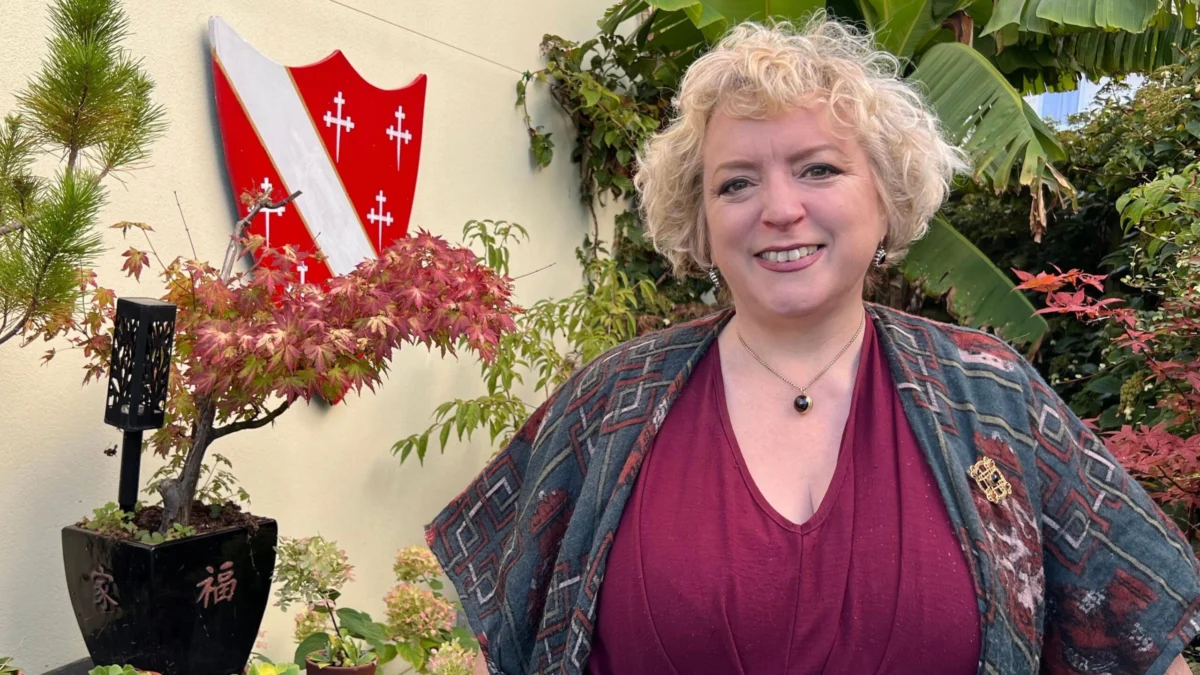
Charlotte Howard, a 52-year-old horticulturist from West Lavington in Wiltshire, embodies the profound physical and emotional toll that macromastia can inflict. What began as a modest 32B cup size escalated dramatically to a 40GG during menopause, a period often accompanied by hormonal shifts and changes in fat distribution. This significant increase in breast tissue has transformed her life, replacing comfort and confidence with chronic pain, hygiene challenges, and distressing public harassment.

"I find them intolerable. I’m basically carrying half a stone off my neck and shoulders. I can’t look at myself without clothes on," Howard shares, articulating a deep sense of self-disgust and discomfort. This sentiment is far from unique; women with macromastia frequently report severe back, neck, and shoulder pain, often leading to deep grooves from bra straps, poor posture, and even nerve compression. The sheer weight, in Howard’s case estimated at half a stone (approximately 3.17 kg), exerts constant downward pressure on the spine and shoulders, contributing to chronic musculoskeletal issues that can be resistant to conventional pain management.
Beyond the orthopaedic strain, Howard experiences persistent skin irritation and hygiene difficulties. She describes needing to use medicated talcum powder daily to prevent rashes and washing her breasts "two or three times a day" due to a persistent smell. These symptoms are common for women with very large breasts, where skin folds create warm, moist environments conducive to intertrigo – a type of rash – and fungal or bacterial infections. The constant need for meticulous hygiene adds a layer of emotional and practical burden to daily life.
The psychological impact on Howard is equally severe. Her past as a Marilyn Monroe impersonator, a role that celebrated a specific kind of glamorous femininity, stands in stark contrast to her current feelings of aversion towards her own body. This shift underscores how profoundly macromastia can erode body image, self-esteem, and personal identity. The public harassment she endures – "fat-shamed in the street, people shout stupid jokes, lewd comments about them" – further exacerbates her distress, fostering feelings of vulnerability, shame, and social anxiety. Such experiences can lead to social withdrawal and impact overall mental health, potentially contributing to depression and anxiety.
Howard’s journey to seek medical intervention led her to her GP, where she inquired about breast reduction surgery (reduction mammoplasty) on the NHS. To her dismay, she was told there was "no chance" she would qualify. This response highlights a significant challenge within the UK healthcare system: the perception and classification of breast reduction surgery.

Simon Hawkins, a consultant breast surgeon in Wiltshire who treats both NHS and private patients, confirms the increasing difficulty of obtaining NHS approval for breast reduction. "It’s generally regarded as a cosmetic treatment," he explains, despite the profound medical and psychological benefits it can offer. Hawkins notes a consistent increase in women seeking the surgery privately over the last 15 years, a trend supported by data from the British Association of Aesthetic Plastic Surgeons (BAAPS), which reported 4,673 private breast reduction procedures in the UK in 2025, a 2% rise from the previous year.
The criteria for breast reduction surgery on the NHS are complex and vary geographically, falling under the purview of Integrated Care Boards (ICBs) which manage local healthcare budgets. While the NHS website outlines general considerations such as failed conservative treatments (e.g., professionally fitted bras, physiotherapy, weight management), the presence of significant health problems, breast size relative to body frame, overall health, and smoking status, the ultimate decision often hinges on a stringent interpretation of "medical necessity." Many ICBs require patients to meet specific weight loss targets or have a certain Body Mass Index (BMI) before even being considered, regardless of the direct link between breast weight and their symptoms.
The rationale behind these strict guidelines is often cited as resource allocation and the need to prioritize life-saving or acutely necessary treatments. However, critics argue that this approach overlooks the chronic, debilitating nature of macromastia and its long-term impact on a patient’s quality of life, effectively reclassifying a medical condition as an elective cosmetic procedure. Hawkins underscores that breast reduction is not merely about appearance: "It’s not just a cosmetic operation where you have body confidence benefits, you might also be able to do activities and exercise more. There’s also the potential impact on back and neck issues." This holistic view emphasizes the interconnectedness of physical relief and psychological well-being.
For Charlotte Howard, the refusal from the NHS has left her facing a daunting financial hurdle. She is now contemplating private breast reduction surgery, with estimated costs ranging from £6,000 to £9,000. This substantial sum presents a significant barrier, creating a two-tiered system where access to relief is dictated by financial means rather than medical need. Howard expresses profound exhaustion and isolation: "I’m just exhausted really, it’s a fight to get heard, to be listened to. The lack of support feels isolating." She also articulates a broader frustration common among women, particularly those of a certain age, who feel their symptoms are dismissed or attributed solely to weight or menopause: "If you’re a woman of a certain age and you have anything wrong with you they say ‘lose some weight dear’, or it’s the menopause." This highlights a pervasive issue of medical gaslighting and the need for more nuanced understanding of women’s health concerns.

The NHS Bath and North East Somerset, Swindon and Wiltshire, NHS Dorset and NHS Somerset ICB, when approached for comment, stated that "breast reduction surgery is not routinely commissioned for all patients" in the area. They emphasized that decisions are made on an "individual clinical basis," taking into account "the evidence of likely benefit" and ensuring "NHS resources are used fairly." While this policy aims for equitable resource distribution, for patients like Howard, it translates into a feeling of being unheard and undervalued, despite significant suffering.
The prohibitive cost and difficulty in accessing NHS surgery also push some individuals to consider medical tourism, seeking cheaper procedures abroad in countries like Lithuania, Turkey, or Prague. However, this option carries its own significant risks, as highlighted by both the NHS and consultant surgeon Simon Hawkins. The NHS warns that "safety standards may not be as high" in these countries, and Hawkins adds, "It’s certainly is a lot cheaper but we’re seeing quite a few patients who present to NHS services with problems and complications after surgery performed abroad." These complications can range from infections and poor scarring to more severe issues requiring corrective surgery back in the UK, often at further cost and burden to the NHS.
Charlotte Howard’s story is a powerful illustration of the complex interplay between individual suffering, medical necessity, healthcare policy, and societal attitudes. Macromastia is a condition that extends far beyond aesthetics, impacting physical health, mental fortitude, and the ability to live a full life. The ongoing struggle for individuals like Howard to access appropriate and timely care underscores the critical need for a more comprehensive and compassionate approach within healthcare systems, one that genuinely acknowledges the profound, multifaceted burden of large breasts and prioritizes patient well-being over arbitrary classifications. As the debate around healthcare funding and patient access continues, the voices of those living with chronic, debilitating conditions like macromastia must be heard and acted upon, ensuring that medical decisions truly reflect the holistic needs of every individual.
