
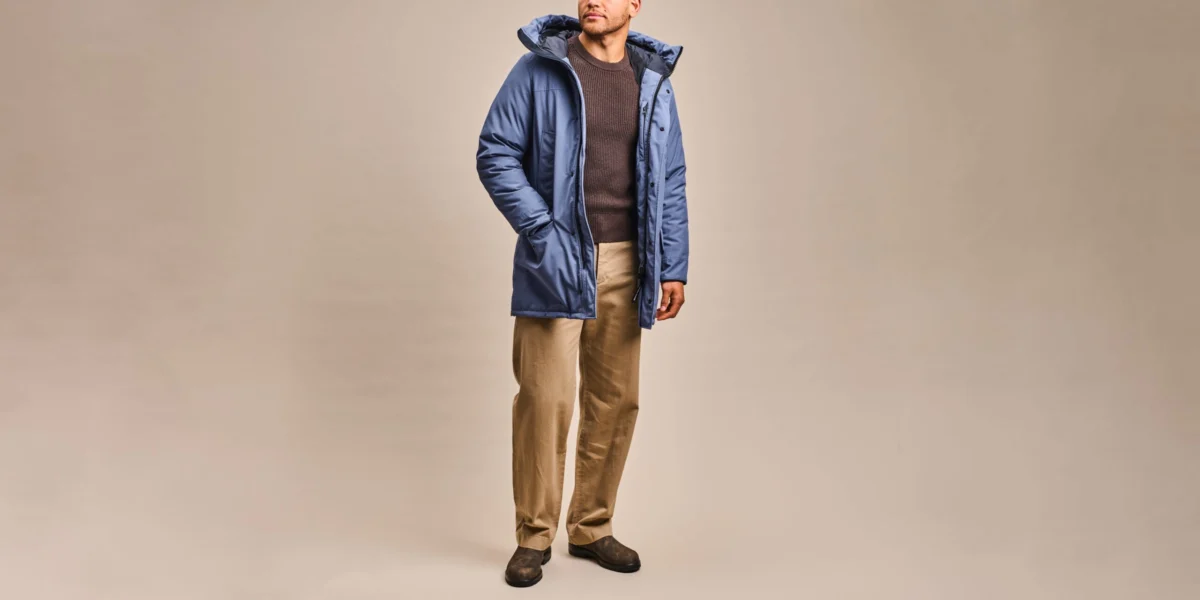
"The evolution of winter apparel has moved beyond mere bulk, utilizing advanced heat-reflective technology and high-loft recycled insulation to provide maximum warmth without sacrificing mobility."
This article examines the technological shifts in the outerwear industry, specifically how modern materials—ranging from 700-fill power recycled down to synthetic micro-lofts—have revolutionized the way we approach sub-zero temperatures. By analyzing a spectrum of high-performance options, from budget-conscious commuter jackets to high-end expedition-grade parkas, we explore the critical balance between thermal efficiency, moisture management, and lifestyle versatility in the modern man’s wardrobe.

As winter temperatures fluctuate between damp, bone-chilling mists and dry, sub-zero freezes, the requirements for a reliable winter jacket have become increasingly complex. No longer is a single, heavy coat sufficient for the modern lifestyle, which often demands a transition from a freezing train platform to a heated office, or from a rugged weekend trail to a polished city dinner. The contemporary outerwear market has responded with a surge in engineering, focusing on the "warmth-to-weight ratio"—a metric that defines how much heat a garment can retain without becoming cumbersome.
The Mid-Layer Specialist: Mack Weldon WarmKnit Air
For many, the primary challenge of winter is not the arctic blast, but the "shoulder" temperatures ranging from 40 to 60 degrees Fahrenheit. The Mack Weldon WarmKnit Air Hooded Jacket represents a shift toward the "sporty casual" aesthetic that prioritizes agility. Unlike traditional puffers that rely on heavy clusters of down, this jacket utilizes Thinsulate fill. This synthetic insulation is composed of ultra-fine fibers that trap air molecules more effectively than traditional polyester.
Because these fibers are so thin, they require less space to create an insulating barrier, allowing for a slim, structured silhouette that avoids the "marshmallow" effect often associated with winter gear. The jacket’s waist-length cut and bonded quilting provide a polished look suitable for chinos or sweatsuits, though it leaves the lower core more exposed than a traditional parka. It serves as a masterclass in "performance-meets-lifestyle" design, offering water and wind resistance that handles the daily commute with ease.

Reflective Thermodynamics: The Columbia Down Series
When temperatures drop further, the science of heat retention must become more active. Columbia has long been a pioneer in this space with its Omni-Heat technology. This system utilizes a lining covered in tiny silver dots that function like a space blanket, reflecting radiant body heat back toward the wearer while still allowing moisture and excess heat to escape.
The use of 650-fill power down in these jackets provides a substantial loft. In the world of insulation, "fill power" measures the number of cubic inches one ounce of down can fill; a higher number indicates larger down clusters that trap more air and offer more warmth for their weight. By combining this natural insulation with a reflective lining, the jacket achieves a level of warmth usually reserved for much bulkier garments. Furthermore, the inclusion of "HeatSeal" construction—where the baffles are thermally bonded rather than stitched—prevents "cold spots" where heat might otherwise leak through needle holes.
Democratizing Warmth: The Budget Powerhouse
The entry of high-quality, budget-friendly options like the Amazon Essentials Heavyweight Hooded Puffer has challenged the notion that effective winter protection requires a massive financial investment. While it may lack the proprietary silver-dot linings of luxury brands, it utilizes heavyweight polyester insulation and a water-repellent shell to provide reliable warmth.

The trade-offs in this category are usually found in the details. For instance, a water-repellent shell can handle a light drizzle, but lacks the waterproof membrane required for a prolonged rainstorm. Additionally, budget hoods often lack the sophisticated cinching mechanisms found in technical gear. However, for the daily commuter who needs a "sacrificial" coat for the subway or a reliable layer for the grocery run, the value proposition is undeniable. These jackets often feature a relaxed fit, allowing for a "chunky" sweater or cardigan underneath, which utilizes the principle of layering to create additional air pockets for insulation.
The Sustainability Shift: Patagonia’s Recycled Protection
In recent years, the environmental impact of outerwear has become a central concern for consumers. The Patagonia Downdrift Parka (and similar high-performance parkas) highlights the industry’s move toward recycled materials. This parka utilizes 700-fill-power 100% recycled down—a blend reclaimed from used down products.
Beyond its eco-credentials, the technical construction of such a parka is designed for "bone-chilling" conditions. It features a fully waterproof shell rather than a mere water-resistant coating. This is a critical distinction: water-resistant fabrics are treated with a DWR (Durable Water Repellent) finish that causes water to bead, while waterproof fabrics utilize a physical membrane that prevents liquid penetration even under pressure. Coupled with storm cuffs—elasticized or ribbed fabric inside the sleeve that seals the wrist—this design ensures that icy gusts cannot compromise the internal microclimate of the jacket.

The Gold Standard: Canada Goose and the Langford Parka
At the pinnacle of the market, the Canada Goose Langford Parka represents an investment in extreme-weather survival. The sticker shock associated with such garments is often justified by the longevity and the proprietary materials used. The "Arctic Tech" fabric is a polyester-cotton blend treated with DWR, designed to remain dry and structured in the most extreme conditions on earth.
The Langford is a "classic fit" parka, meaning it provides extra coverage over the hips and thighs—a vital feature for anyone standing still in the cold, such as pet owners on long winter walks. The engineering extends to the pocket architecture: four external and three internal pockets, including fleece-lined hand-warmer pockets. A unique feature of this tier of outerwear is the inclusion of interior backpack-style straps, allowing the wearer to carry the coat over their shoulders when moving into overheated indoor environments like shopping centers or transit hubs. This prevents the "overheating cycle" that often leads to perspiration, which can be dangerous if the wearer moves back into the cold.
Technical Utility: Fjällräven and the Nuuk Parka
For those who engage in active winter pursuits—such as skiing or mountain hiking—the Fjällräven Nuuk Parka offers a different approach to warmth. Rather than down, it utilizes 250g Supreme Micro Loft, a synthetic insulation that maintains its loft even when damp. This is a significant advantage in "wet-cold" environments where snow might melt on the jacket surface.
The Nuuk is characterized by its sheer utility, boasting eight pockets that can accommodate everything from a smartphone to cardholders and winter gloves. For the active user, the "weight-to-warmth" ratio is balanced by a generous fit that allows for a full range of motion. Features like a detachable faux-fur edging on the hood are not merely aesthetic; the fur (or "ruff") creates a pocket of still air in front of the face, protecting the skin from frostbite during high-wind activities.
Conclusion: Selecting the Right Shield
Choosing the correct winter jacket requires an honest assessment of one’s environment and activity level. For mild urban winters, a lightweight, synthetic-fill jacket like the Mack Weldon provides the necessary agility. For those facing sub-zero winds and heavy snow, the extended coverage and high-fill power of a Canada Goose or Patagonia parka become essential tools for survival.
Ultimately, the "best" jacket is one that manages the body’s moisture while trapping its heat. Whether through the budget-friendly heavyweight puffers or the technologically advanced reflective linings of the mid-market, the modern man now has access to a level of thermal engineering that was once reserved for polar explorers. As textile technology continues to advance, the gap between "style" and "survival" continues to shrink, ensuring that one no longer has to choose between looking polished and staying warm.
