
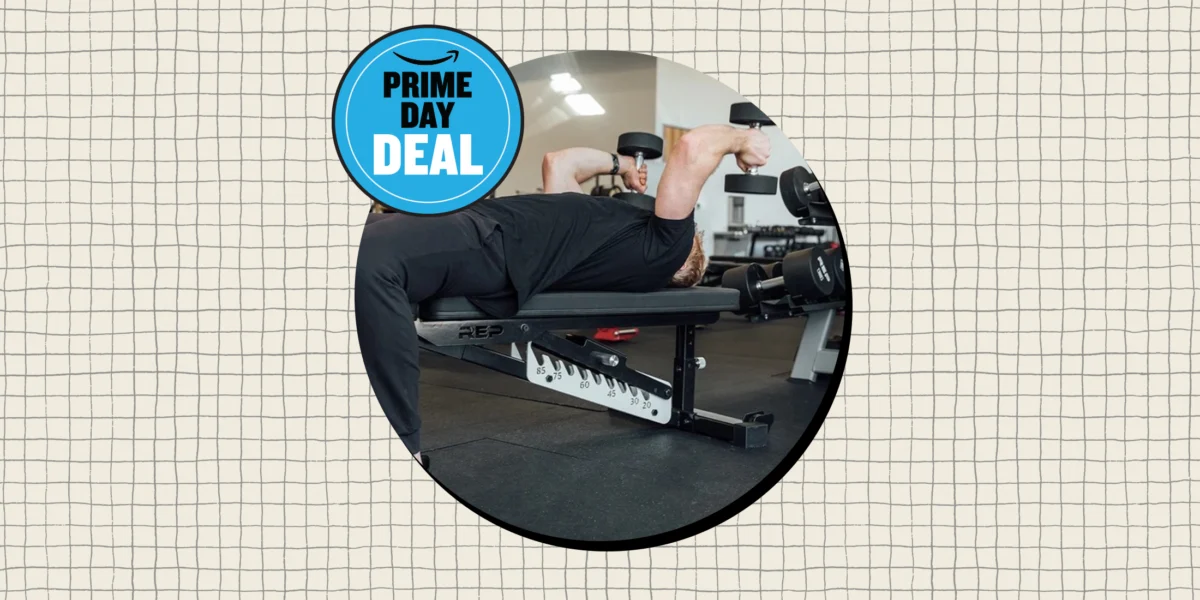
"A weight bench is the structural foundation of any home strength program, but choosing a model based solely on price can compromise both your training efficacy and your physical safety."
As the popularity of home fitness continues to surge, the market has been flooded with low-cost equipment that often prioritizes aesthetics and price points over structural integrity. While a $70 price tag on a weight bench may appear to be an economical entry point for beginners, these "too-good-to-be-true" deals often hide significant design flaws—such as narrow footprints and inferior steel gauges—that can lead to equipment failure under load. Understanding the difference between a budget-friendly value and a hazardous shortcut is essential for any athlete looking to build a sustainable and safe home training environment.
The Foundation of the Home Gym
When building a home gym, the hierarchy of equipment usually begins with a set of dumbbells or a barbell, but the weight bench is the literal platform upon which those tools are used. It is the anchor for the bench press, the support for the seated overhead press, and the stabilizer for the one-arm row. Because the bench must support both the weight of the lifter and the weight of the load being moved, its engineering requirements are more stringent than almost any other piece of stationary equipment.
The current retail landscape, particularly during major sales events like Amazon’s Prime Big Day Deals, presents a unique challenge for consumers. Algorithms often push high-volume, low-cost items to the top of search results. Recently, thousands of consumers have gravitated toward a $70 foldable bench from a third-party seller known as NICEPEOPLE. While the sales volume is high, fitness experts warn that high turnover does not equate to high quality. For a serious lifter, or even a dedicated beginner, cutting corners on the very thing that prevents several hundred pounds of steel from collapsing onto their chest is a gamble with diminishing returns.

Identifying the Red Flags of Budget Benches
Expert analysis of ultra-low-cost benches reveals several recurring "red flags" that should give any consumer pause. The first is the source: third-party sellers on massive marketplaces often lack the long-term reputation and rigorous quality control standards of established fitness brands like REP Fitness, Rogue, or Flybird.
The second major concern is the geometry of the bench. A cursory look at the $70 NICEPEOPLE model reveals a profile that is dangerously narrow. In strength training, stability is a byproduct of the "footprint"—the area of the floor covered by the bench’s legs. Budget models often use thin, lightweight tubing and a narrow base to save on shipping costs and materials. However, when a lifter attempts to move significant weight, any lateral shift in body weight can cause a narrow bench to tip or wobble. This instability not only ruins the "mind-muscle connection" required for effective lifting but also poses a direct risk of injury.
Furthermore, the "foldable" nature of many ultra-budget benches is often a double-edged sword. While space-saving is a priority for many home gym owners, every hinge and locking pin in a bench represents a potential point of failure. In lower-end models, these joints often have significant "play," leading to a bench that feels shaky even when locked in place.
The Case for Professional-Grade Engineering
To understand why a higher-quality bench is worth the investment, one must look at the specifications that professional trainers and equipment reviewers prioritize. Charles Thorp, a NASM-certified trainer and Fitness and Reviews Editor at Men’s Health, emphasizes that the best benches are those that disappear underneath the lifter, providing a rock-solid platform that allows the athlete to focus entirely on the movement.
Two primary categories of benches dominate the market: the Flat Bench and the Adjustable (or FID—Flat, Incline, Decline) Bench. Each serves a specific purpose, and the engineering requirements for each are distinct.

The Flat Bench: Stability and Simplicity
The REP Fitness FB-3000 is a gold standard in the flat bench category. Unlike budget models, it utilizes a three-post design. This is a critical ergonomic feature; the single post at the front allows the lifter to plant their feet firmly on the ground without the bench legs interfering with their stance. This "leg drive" is essential for powerlifting and maximizing force production during a bench press.
The FB-3000 also features high-density, grippy foam. Cheap benches often use soft, "squishy" padding that bottoms out under heavy weight, leaving the lifter’s spine pressed against a hard metal bar. High-density foam provides the necessary counter-pressure to keep the shoulders retracted and the spine supported. With a 17-inch height—the standard for competition—and a high weight capacity, it offers a level of security that a $70 alternative simply cannot match.
The Adjustable Bench: Versatility and Precision
For those who need more variety, the adjustable bench is the preferred choice. The Flybird WB5 is a notable example of a budget-conscious bench that does not sacrifice basic safety. It allows the user to transition between flat, incline, and decline positions, targeting the pectoral muscles, deltoids, and core from multiple angles.
The key difference between a quality adjustable bench like the Flybird or the award-winning REP Fitness Nighthawk and a generic third-party model is the locking mechanism. High-quality adjustable benches use heavy-duty steel ladders or pop-pins that ensure the backrest will not slip while the user is mid-set. The Nighthawk, in particular, has earned accolades for its ability to handle immense loads while remaining incredibly easy to adjust, a testament to the precision engineering that goes into top-tier fitness gear.
The Long-Term Value of Quality Gear
When evaluating the cost of gym equipment, it is helpful to view it through the lens of "cost per use" and "cost of failure." A $70 bench that lasts six months or feels unsafe after the first few heavy sessions is ultimately more expensive than a $150 bench that lasts a decade.

Moreover, the safety implications are paramount. The fitness community is filled with "buy once, cry once" stories—lifters who tried to save $50 only to have a weld snap or a frame bend. Investing in brands that have been vetted by certified trainers and high-performance individuals (ranging from NFL players to CrossFit athletes) ensures that the equipment has been tested in high-stress environments.
Navigating Sales and Making the Right Choice
As Amazon’s Prime Big Day Deals and other major sales cycles approach, the temptation to click "buy" on the cheapest option will be high. However, consumers should use these events to bridge the gap between "budget" and "quality." Rather than buying the $70 bench that was never worth its original price, savvy shoppers should look for discounts on reputable brands.
A weight bench should be a one-time purchase for most home gym owners. By choosing a model with a wide, stable base, high-density padding, and a weight capacity that exceeds your current goals, you are not just buying a piece of furniture; you are investing in a tool that will facilitate thousands of hours of progress.
In the words of industry experts, if a price seems too good to be true, the manufacturer has likely cut corners in the one place you need them most: the structural integrity of the frame. Stick to the brands that have earned their place in the "Fitness Awards" and on the gym floors of professional coaches. Your safety, and your PRs, depend on it.
