
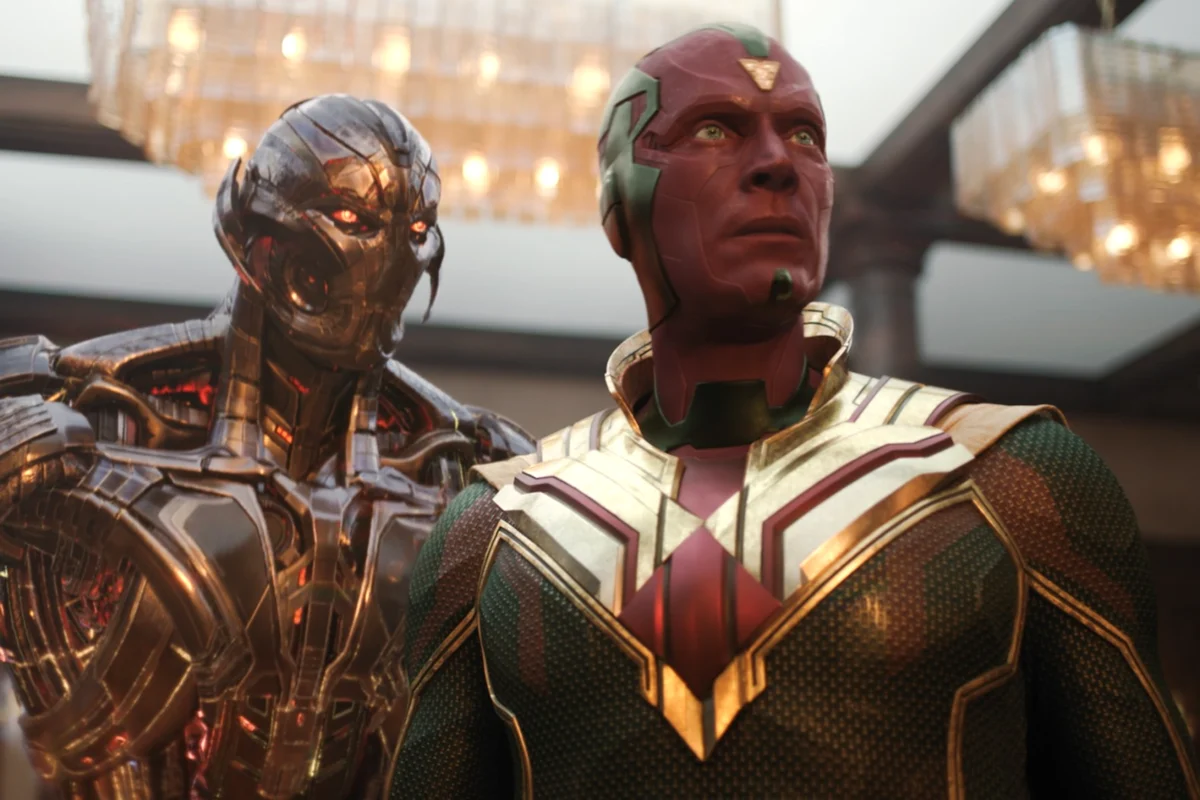
"As Marvel Studios concludes its spiritual trilogy of grief and identity, VisionQuest transforms the philosophical ‘Ship of Theseus’ into a deeply personal exploration of fatherhood, legacy, and the fragments of a digital soul."
The release of VisionQuest marks a pivotal moment for Marvel Studios, serving as the third act in a narrative cycle that began with the groundbreaking success of WandaVision. By shifting the focus to Paul Bettany’s White Vision, the series delves into the aftermath of memory loss and the existential search for purpose, bridging the gap between the character’s robotic origins and his complex, human-like aspirations. This series not only resolves long-standing cliffhangers regarding the Synthezoid’s whereabouts but also integrates legacy characters and new heroes, effectively setting the stage for the next generation of the Marvel Cinematic Universe.
The Legacy of the Westview Incident
It has been over five years since WandaVision fundamentally altered the landscape of the Marvel Cinematic Universe (MCU). Debuting in early 2021, the series was more than just a television show; it was a cultural phenomenon that captured a global audience during a period of unprecedented isolation. It explored the stages of grief through the lens of classic sitcom tropes, eventually earning 23 Emmy nominations and establishing Elizabeth Olsen, Paul Bettany, and Kathryn Hahn as the pillars of the MCU’s television expansion.
While the narrative of Wanda Maximoff continued in Doctor Strange in the Multiverse of Madness and the legacy of the Salem witches was explored in the 2024 hit Agatha All Along, the fate of the "White Vision" remained one of the franchise’s most persistent mysteries. At the end of WandaVision, the original Vision’s memories were uploaded into a rebuilt, colorless body. This new entity, devoid of emotional resonance but burdened with factual data, flew away from Westview with a single declaration: "I am Vision." VisionQuest is the long-awaited answer to where that journey led him.
The Architecture of a Digital Mind
The narrative structure of VisionQuest is uniquely ambitious, taking place across two distinct planes of existence: the physical world and the internal landscape of Vision’s consciousness. This dual-track storytelling allows the series to explore the concept of a "psyche" for an artificial being. Within the "mindscape" of the series, Vision interacts with manifestations of his past. This includes the various Artificial Intelligence systems that contributed to his creation: J.A.R.V.I.S. (Just A Rather Very Intelligent System), the foundation of his personality; F.R.I.D.A.Y., the successor to Tony Stark’s interface; and E.D.I.T.H., the tactical system seen in Spider-Man: Far From Home.

Perhaps the most significant return is that of Ultron, portrayed once again by James Spader. In MCU lore, Ultron is technically Vision’s biological—or rather, technological—father. It was Ultron who designed the cradle and the vibranium body that would eventually become Vision. By bringing Spader back, VisionQuest confronts the "sins of the father," forcing Vision to reconcile with the genocidal intent of his creator while acknowledging the parts of Ultron that still exist within his own code. This internal conflict serves as a metaphor for the human struggle to overcome inherited trauma and define oneself independently of one’s origins.
The Search for Tommy and the Young Avengers
While the internal battle rages, the external plot of VisionQuest follows Vision’s search for his family. Central to this is the introduction of Tommy Maximoff, played by Ruaridh Mollica. In the events of WandaVision, Tommy and his brother Billy were constructs of Wanda’s magic, seemingly erased when the Hex was dismantled. However, as established in Agatha All Along with the emergence of Billy (Wiccan), the souls of the Maximoff twins have found a way to persist in the real world.
The dynamic between Vision and Tommy introduces a new layer of "family bonding" to the MCU. Vision must navigate the complexities of fatherhood without the benefit of the emotional warmth he possessed in his previous life. For Tommy, meeting a version of his father who does not remember him creates a poignant narrative of reconnection. This storyline is widely viewed by industry analysts as a major step toward a Young Avengers project, as it brings another key member of the comic book team into the fold alongside Billy, Kate Bishop, and Kamala Khan.
The Philosophy of the Ship of Theseus
At the heart of the series lies the "Ship of Theseus" thought experiment, which was the climactic intellectual battle between the two Visions in the Hex. The paradox asks: if every part of a ship is replaced over time, does it remain the same ship? VisionQuest applies this to the protagonist’s identity. With a new body, a lack of original emotional imprints, but a repository of the original’s data, is this "Vision" the same hero who died in Avengers: Infinity War?
This philosophical inquiry elevates the show from a standard superhero adventure to a high-concept sci-fi drama. It challenges the audience to consider what defines a person: their memories, their physical form, or their choices. As Vision travels through the world, his interactions with humanity—and his attempts to protect it—serve as his "quest" to find the soul that his vibranium body currently lacks.
Production and Release Strategy
VisionQuest is structured as an eight-episode limited series, utilizing a non-traditional release cadence on Disney+. Rather than a strictly weekly rollout, Marvel Studios has opted for a "batch" strategy for the middle of the season, designed to keep the momentum high and encourage binge-watching of specific story arcs.

The series kicked off on October 13 with a two-episode premiere that established the status quo of White Vision’s isolation and his first glimpses of Tommy. The subsequent schedule sees episodes released in pairs for the following two weeks, concluding with single-episode releases for the penultimate and final chapters. This strategy suggests a narrative that is heavy on cliffhangers and interconnected plot points that benefit from being viewed in close succession.
The Future of the Scarlet Witch
One of the most persistent questions surrounding VisionQuest is the potential involvement of Elizabeth Olsen’s Wanda Maximoff. While the character was last seen apparently perishing beneath Mount Wundagore, her presence looms large over the series. Whether through flashbacks, psychic manifestations, or a physical resurrection, the "WandaVision Trilogy" cannot truly conclude without addressing the bond between the Synthezoid and the Sorceress.
Furthermore, the potential for a cameo by Kathryn Hahn’s Agatha Harkness remains a topic of intense speculation. Given Agatha’s deep knowledge of the Maximoff family and her recent journey through the Witches’ Road, she remains a logical tether between the magical and technological corners of this universe.
Complete VisionQuest Release Schedule
To ensure fans stay up to date with the unfolding mystery, the following release schedule has been confirmed for the first season of VisionQuest:
- Episode 1, “No Strings” – Released October 13: This episode establishes Vision’s current state of existence and his initial detachment from humanity.
- Episode 2, “Theseus” – Released October 13: A deep dive into the philosophical conflict of his identity and the first hints of his internal mindscape.
- Episode 3, “Reboot” – October 20: The beginning of the search for Tommy and the first appearance of the internal AI personas.
- Episode 4, “Malware” – October 20: The return of Ultron is teased as Vision’s psyche begins to fracture under the weight of his father’s legacy.
- Episode 5, “Firewall” – October 27: A confrontation between Vision’s past and his desire for a future, featuring a deeper look at his creation.
- Episode 6, “Deadlock” – October 27: The external and internal worlds collide as Vision and Tommy finally cross paths.
- Episode 7, “Immolation” – November 3: The penultimate chapter, expected to feature the season’s largest action set-pieces and emotional revelations.
- Episode 8, “Forever” – November 10: The series finale, which promises a definitive conclusion to the White Vision arc and a new status quo for the character in the MCU.
As VisionQuest progresses, it stands as a testament to the MCU’s ability to blend high-concept science fiction with deeply human emotions. By exploring the "ghost in the machine," Marvel continues to expand the boundaries of what a superhero story can achieve, proving that even a being made of wires and vibranium can have a story worth telling.
