
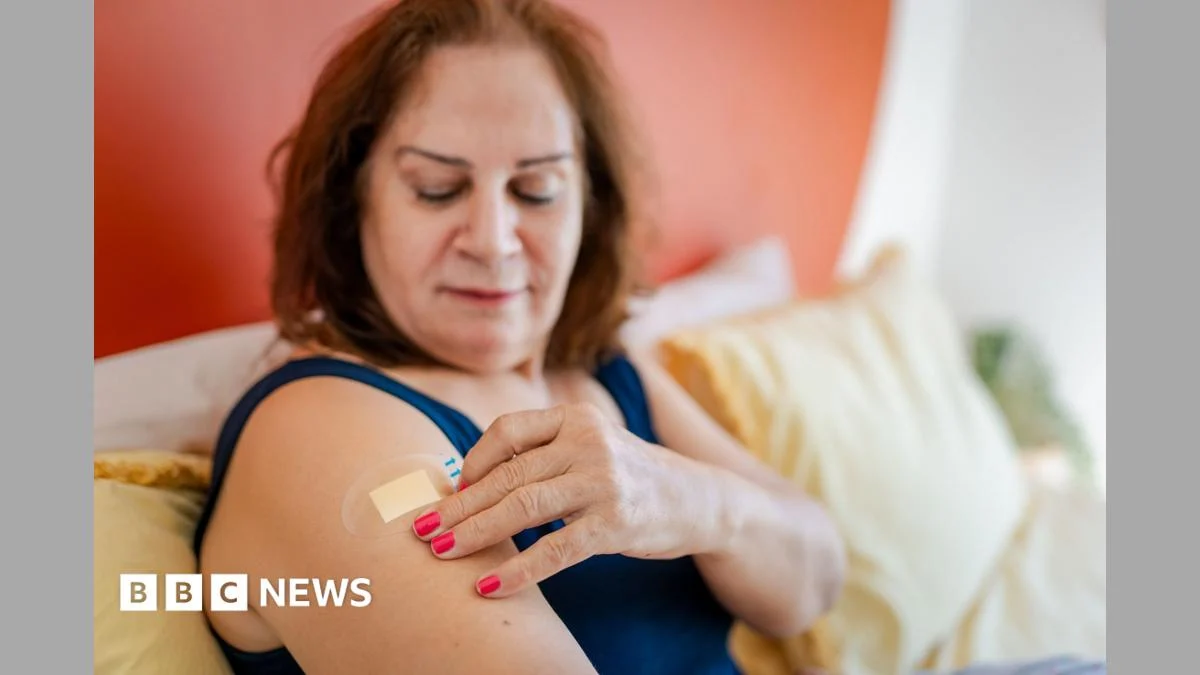
"The ongoing scarcity of essential hormone replacement therapy (HRT) medications, particularly patches, is causing profound anxiety and frustration among women, disrupting carefully managed treatment plans and highlighting the critical need for robust supply chain stability in healthcare."
Across the UK, and particularly in Northern Ireland, women relying on Hormone Replacement Therapy (HRT) to manage debilitating menopausal symptoms are facing significant challenges due to persistent medication shortages. These disruptions, affecting key preparations like Estradot and FemSeven Conti transdermal patches, are forcing patients to switch formulations, often with distressing consequences, and underscoring a systemic vulnerability in the supply of crucial medicines. Healthcare professionals and patient advocacy groups are voicing serious concerns over the emotional and physical toll this uncertainty exacts on women, emphasizing the urgent need for a more resilient and predictable supply chain for HRT.
The dilemma facing thousands of women is stark: find a suitable alternative or risk a resurgence of menopausal symptoms that HRT effectively controls. Dr. Ursula Mason, chair of the Royal College of General Practitioners Northern Ireland, articulated the profound anxiety these substitutions can trigger. "This can be particularly so for HRT medication when a woman has found a preparation that works well for them," she explained, highlighting the deeply personal and often lengthy process involved in finding the right HRT regimen. Women frequently navigate a trial-and-error period to identify the specific type, dose, and delivery method that optimally alleviates their symptoms, which can range from severe hot flashes and night sweats to mood disturbances, cognitive fog, joint pain, and debilitating fatigue. Once that balance is achieved, any disruption threatens to unravel their hard-won stability and wellbeing.
The Department of Health has acknowledged these "supply disruptions" affecting various HRT medications across the UK, specifically citing ongoing issues with Estradot transdermal patches and a more recent disruption impacting FemSeven Conti patches. Transdermal patches are a popular delivery method for HRT, offering a consistent dose of hormones absorbed directly through the skin, bypassing the digestive system and often preferred by women for convenience and a potentially lower risk profile compared to oral tablets for certain conditions. The scarcity of these particular formulations therefore has a widespread impact.
In response to these challenges, the Department of Health has issued communications to healthcare professionals, providing guidance on affected products and advising on suitable alternatives that remain available. A critical measure in place to manage the Estradot shortage is the implementation of Serious Shortage Protocols (SSPs), currently extended until January 8, 2027. SSPs empower pharmacists to supply alternative products to patients without the immediate need for a new prescription, provided the patient agrees to the substitution. This mechanism aims to streamline access during shortages, preventing patients from having to wait for a GP appointment solely to obtain a revised prescription. However, while SSPs offer a practical solution for access, they do not mitigate the underlying anxiety or potential side effects associated with switching formulations.
Dr. Mason emphasized that while SSPs allow for substitution, the protocol strictly mandates that the alternative must contain "exactly the same active ingredient at the same dose." This is a crucial safeguard designed to ensure therapeutic equivalence. However, even with identical active ingredients and dosages, differences in excipients (inactive ingredients), patch adhesives, or manufacturing processes can lead to variations in drug absorption, patient experience, and side effect profiles. Consequently, Dr. Mason advises that if a woman finds that a new formulation is not managing their symptoms effectively, or if they experience new side effects, it is imperative to "contact their GP to discuss both their symptoms and the options available around suitable alternatives." This reinforces the essential role of individualized medical consultation in navigating HRT management.
The patient experience during these shortages has been particularly challenging, as articulated by Roisin Hillman, co-founder of Menopause Together, Northern Ireland’s first menopause support charity. Hillman noted that women forced to switch brands due to medication shortages have reported adverse effects, including "itchy skin or patches falling off." These seemingly minor issues can significantly impact a woman’s comfort, adherence to treatment, and overall confidence in their medication. An itchy patch can cause discomfort and irritation, while a patch that doesn’t adhere properly compromises the consistent delivery of hormones, potentially leading to a return of symptoms.
Hillman expressed profound frustration over the ongoing nature of these shortages, stating, "This is an issue going on for years." This sentiment highlights a deeper, systemic problem beyond isolated incidents, pointing to persistent vulnerabilities in the global pharmaceutical supply chain, manufacturing capacities, and possibly an underestimation of the growing demand for HRT. As awareness of menopause and its management increases, more women are seeking and benefiting from HRT, further straining existing supply lines that may not have scaled adequately. The chronic nature of these disruptions leads to a constant state of uncertainty for patients, undermining their trust and peace of mind.
In response to this protracted instability, Hillman offered practical advice to women: "request longer-term prescriptions from their GPs to stay ahead of supply gaps." This proactive approach, where feasible, allows patients to maintain a buffer supply of their prescribed medication, potentially mitigating the immediate impact of short-term shortages. However, this strategy is not always possible, constrained by prescription guidelines, pharmacy stock levels, and the unpredictable nature of supply issues.
Crucially, Hillman issued a stern warning against the dangerous practice of sharing HRT with others. "Please do not share HRT with other women because what is prescribed to you may not suit someone else so it is very important that you go back to your GP," she urged. This warning is paramount for patient safety. HRT is a potent medication, and its prescription is highly individualized, taking into account a woman’s specific health profile, medical history, existing conditions, and symptom severity. Sharing medication can lead to incorrect dosages, expose individuals to contraindications, or result in adverse reactions that could be harmful. The desperation stemming from shortages can unfortunately lead some women to consider such risky practices, making clear and consistent communication from healthcare professionals and patient advocacy groups vital.
The psychological impact of these shortages cannot be overstated. Hillman powerfully articulated the emotional toll: "I know that when women have that fear and anxiety that the HRT they are on is helping so many aspects of their life and in particular a woman’s mental health. If she on HRT that works for her and then if she is not getting that HRT it can be really hard." HRT is not merely about alleviating physical symptoms; for many, it profoundly improves mental clarity, mood stability, sleep quality, and overall quality of life. The threat of losing access to a medication that provides such comprehensive relief can induce significant stress, fear, and a sense of powerlessness, potentially triggering a return of the very mental health challenges HRT was prescribed to mitigate. This underscores the critical importance of consistent and reliable access to these life-enhancing medications.
The broader context of HRT shortages involves complex factors. Global supply chains for pharmaceuticals are intricate, involving raw material sourcing, manufacturing in various countries, and distribution networks. Disruptions at any point—whether due to manufacturing issues, increased global demand, regulatory changes, or even geopolitical events—can ripple through the system and lead to shortages. The specific challenges with HRT may also reflect the specialized nature of hormone production and the comparatively smaller market size for some formulations compared to widely used medications, which can make manufacturing less economically attractive for some producers during periods of volatility.
Addressing these persistent shortages requires a multi-faceted approach involving pharmaceutical manufacturers, governments, healthcare providers, and patient groups. Manufacturers need to invest in more robust and diversified supply chains, increase production capacities, and provide greater transparency regarding potential disruptions. Governments and health departments must enhance monitoring systems for drug availability, engage in proactive discussions with suppliers, and explore strategies such as national stockpiling for essential medicines where appropriate. Furthermore, continued public health campaigns to raise awareness about menopause and HRT, coupled with adequate funding for healthcare services, are essential to ensure that women receive the support and access to treatment they need.
In conclusion, the ongoing HRT medication shortages represent a significant public health challenge, causing considerable distress and disruption for thousands of women. While measures like Serious Shortage Protocols offer temporary relief, they do not resolve the underlying issue of supply instability. The combined voices of healthcare professionals like Dr. Ursula Mason and patient advocates like Roisin Hillman underscore the urgent need for a more resilient supply chain and consistent access to HRT. Patients are advised to maintain open communication with their GPs and pharmacists regarding any concerns about their medication, while a broader, systemic effort is required to ensure that women can rely on the consistent availability of treatments that are fundamental to their health and wellbeing.
