
"The detection of the first human Shamonda virus case, though isolated and occurring in an immunocompromised individual, marks a critical zoonotic spillover event, underscoring the imperative for robust ‘One Health’ surveillance at the intersection of animal, human, and environmental health."
The unprecedented identification of the Shamonda virus (Shav) in a human patient in France, who tragically succumbed to the illness in early October, has captured the attention of global health authorities. While French health officials have characterized this as an "exceptional case" with no immediate risk to the wider public, the event represents a significant zoonotic spillover. This incident highlights the dynamic nature of pathogen transmission between species and the continuous need for vigilant monitoring of emerging infectious diseases, particularly those circulating silently in animal populations.
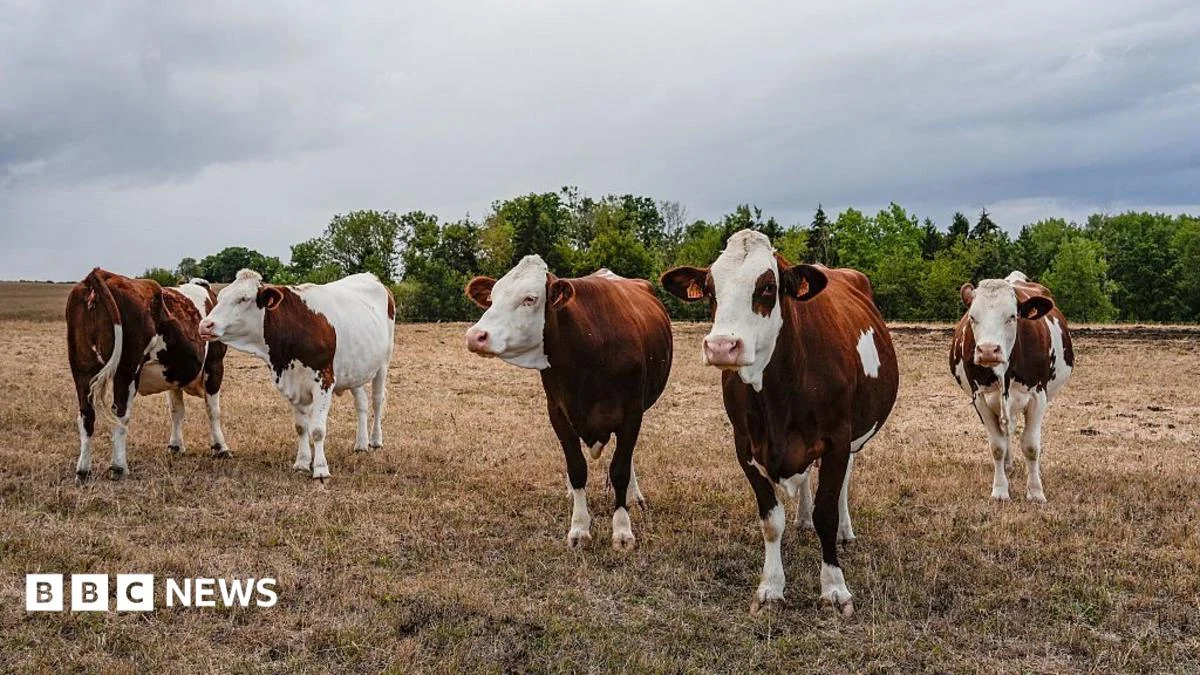
The Shamonda virus, a disease long recognized in livestock, primarily affecting cattle and causing symptoms such as fever, diarrhea, and reduced milk production, has now unequivocally demonstrated its capacity to cross the species barrier to humans. Cases in animals have also been documented in sheep, goats, alpacas, and horses, but human infection remained previously unheard of, despite the virus’s long-standing presence in Africa and Asia. The patient, who was severely immunocompromised and undergoing treatment for a serious underlying illness at a hospital in Lyon, developed neurological complications that preliminary findings strongly suggest were linked to the Shav infection. This tragic development has prompted an intensive investigation by French health and agriculture ministries, with the World Health Organization (WHO) and the European Centre for Disease Prevention and Control (ECDC) closely monitoring the situation.
The current hypothesis posits that the patient contracted Shav through a midge bite in eastern France, a region where animal cases were initially identified in the spring. This mode of transmission is consistent with the known epidemiology of Shav, which is primarily spread by infected midges – tiny, biting insects that serve as vectors for numerous arboviruses. The presence of Shav in European livestock populations was first reported in late July, and it has since been detected in farm animals across several European countries, including Ireland, Germany, Italy, Spain, and the Channel Island of Jersey, indicating a broader geographic spread within animal populations.
The phenomenon of zoonotic spillover, where a pathogen jumps from an animal host to a human, is a recurring theme in infectious disease history, responsible for a vast array of human illnesses, including recent pandemics. While many such jumps are dead ends, failing to establish sustained human-to-human transmission, each event serves as a critical reminder of the intricate ecological relationships that govern disease emergence. The Shamonda virus case, despite being isolated, is significant because it adds to the growing list of viruses previously thought to be exclusively animal pathogens now confirmed to infect humans. This underscores the potential for novel threats to public health to emerge from the animal kingdom, particularly in contexts where human-animal interfaces are intensifying due to factors like agricultural expansion, wildlife encroachment, and climate change.
Midges, belonging to the family Ceratopogonidae, are small, blood-feeding insects notorious for their role in transmitting a variety of arboviruses to livestock, causing diseases that can have significant economic impacts on agriculture. Their lifecycle and geographical distribution are heavily influenced by environmental factors such as temperature, humidity, and the availability of breeding sites. The statement from the WHO noting that "transmissibility of midge-borne viruses also generally declines during the cooler months of the year" is a crucial insight. This seasonal reduction in vector activity is a common epidemiological feature for many arboviral diseases, as lower temperatures reduce midge populations, slow viral replication within the vector, and decrease the frequency of biting. This seasonal pattern offers a potential window for enhanced surveillance and control measures, but also highlights the year-round risk in regions with consistently warm climates.
The patient’s severely immunocompromised status is a critical aspect of this case. Individuals with weakened immune systems are inherently more vulnerable to infections from pathogens that might cause mild or no symptoms in healthy individuals. Their inability to mount a robust immune response can lead to more severe disease progression and complications. This detail contributes to the assessment that the case is "exceptional" and currently poses no widespread risk to the general public, whose healthy immune systems are expected to be more resilient to such a novel pathogen. However, the neurological complications observed in the patient are a concerning aspect, as arboviruses are known to cause a spectrum of neurological disorders, from meningitis to encephalitis, in susceptible hosts. Understanding the full pathogenic potential of Shav in humans will require further research and, unfortunately, potentially more human cases if the virus adapts or if exposure becomes more frequent.
The immediate response from international health bodies reflects the seriousness with which such novel human infections are treated. The WHO, as the leading global health authority, is actively monitoring the situation, acknowledging this as the first documented human case. While it has not yet issued its own formal risk assessment, its preliminary view is that the available information and knowledge of similar diseases suggest the case is isolated and "unlikely to lead to wider spread at this time." This cautious optimism is grounded in the typical epidemiology of vector-borne zoonoses, which generally do not readily establish human-to-human transmission. The ECDC, responsible for strengthening Europe’s defense against infectious diseases, is collaborating with French and other European partners to investigate the "potential public health implications" of the infection. This involves epidemiological investigations to understand the precise circumstances of the infection, potential exposure pathways, and assessing any broader risks to populations, particularly those working closely with livestock or living in midge-prone areas.
The emergence of Shav in Europe and its subsequent jump to humans underscores the interconnectedness of animal health, environmental health, and human health – a concept often referred to as "One Health." This holistic approach recognizes that the health of people is closely connected to the health of animals and our shared environment. Effective prevention and control of zoonotic diseases require close collaboration among experts in public health, animal health, and environmental science. Surveillance efforts must extend beyond human populations to include active monitoring in animal reservoirs and vector populations. For Shav, this means continued vigilance in livestock, particularly in regions where midges are prevalent, and the development of diagnostic tools for both animals and humans.
The decades of Shav circulation in Africa and Asia without known human cases, followed by its relatively recent emergence in Europe and the subsequent human infection, raises several questions. Has the virus undergone a genetic mutation that enhances its ability to infect human cells? Is the increased detection a result of more sophisticated surveillance methods? Or are environmental changes, such as climate warming extending the geographical range and active seasons of midges, playing a role in bringing the virus into closer contact with human populations? These are critical areas of ongoing research.
For the agricultural community, the appearance of Shav in Europe and its confirmed zoonotic potential adds another layer of complexity to disease management. Farmers and veterinarians must remain vigilant for signs of the disease in their herds and flocks, implementing biosecurity measures to minimize exposure to midges where possible. Public health advisories, particularly for individuals working in agricultural settings or those with compromised immune systems living in affected regions, may need to be developed to offer guidance on personal protection against midge bites.
In conclusion, the first human case of the Shamonda virus represents a significant, albeit isolated, event in the ongoing saga of zoonotic disease emergence. While the immediate public health risk is assessed as low, it serves as a powerful reminder of the continuous need for global surveillance, interdisciplinary collaboration through a "One Health" framework, and rapid response mechanisms to investigate and mitigate the threats posed by pathogens crossing species barriers. The incident underscores that even seemingly obscure animal viruses have the potential to impact human health, demanding sustained attention from the scientific and public health communities worldwide.
