
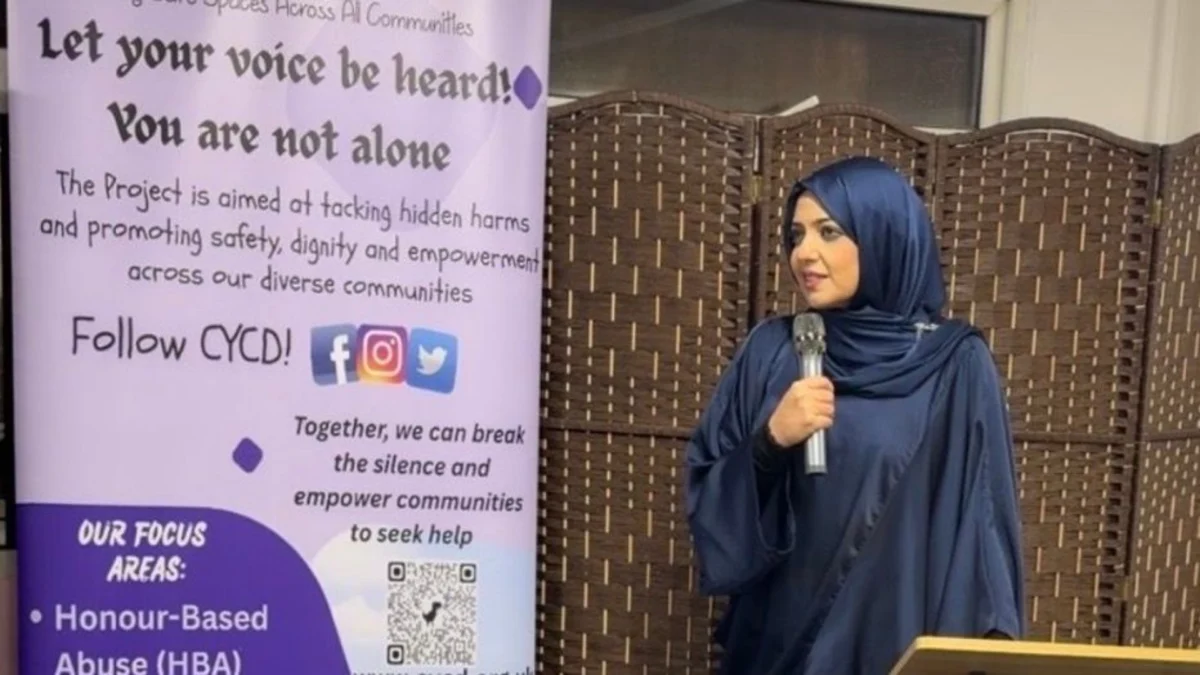
"A ‘hidden generation’ of Asian women in Luton has suffered from unheard voices regarding their wellbeing, leading to significantly worse health outcomes and a critical need for culturally sensitive intervention and support."
This stark assessment comes from a recent report commissioned by Luton Borough Council, which reveals that women in the town experience the onset of poor health five years earlier than the national average, with alarming rates of at-risk body mass index and low participation in vital health screenings. The findings underscore profound disparities exacerbated by a complex interplay of socio-economic, cultural, and linguistic challenges, demanding urgent and tailored responses to address the systemic barriers hindering women’s access to and engagement with healthcare.
The Unspoken Burden: A Health Crisis Uncovered in Luton
Luton, a vibrant and diverse town with a population of approximately 236,000, where more than half belong to ethnic minority groups, including robust Pakistani and Bangladeshi communities, is confronting a pressing public health challenge. A landmark report, "Let Women Speak," commissioned by the borough council, has shed light on a deeply concerning trend: a significant segment of its female population, particularly older Asian women, is experiencing a silent health crisis. Firoza Abdool-Sathar, director of the Centre for Youth and Community Development (CYCD), vividly describes these individuals as a "hidden generation" whose "voices were never heard" when it came to their fundamental wellbeing. The report paints a stark picture of a community grappling with the premature onset of poor health, occurring a staggering five years earlier than the national average for women.

The statistics unveiled in the "Let Women Speak" report are alarming. Over 70% of women aged between 45 and 64 in Luton are found to have an at-risk body mass index (BMI), indicating a widespread issue of obesity and associated health risks. Furthermore, participation in crucial preventative screenings lags significantly behind national figures. Only 52.5% of women aged 25-49 take up cervical screening, a stark contrast to the national average of 71%. Similarly, breast screening rates stand at just 63%, compared to 71% nationally. These disparities point to a critical gap in accessing vital early detection services, potentially leading to later diagnoses and poorer health outcomes for a substantial portion of Luton’s female residents.
Root Causes of Neglect: A Multifaceted Challenge
The challenges faced by these women are not isolated incidents but rather deeply rooted in a complex web of socio-cultural, economic, and systemic factors. Abdool-Sathar highlights the confluence of "family dynamics, the lack of opportunities, economic inactivity and language barriers" as primary impediments, particularly for the South Asian population in Luton. In many traditional South Asian households, women often occupy roles that demand extensive domestic and familial responsibilities, frequently leading them to prioritise the needs of their children, husbands, and in-laws over their own health. This cultural expectation of self-sacrifice can result in delaying or neglecting personal health concerns until they become severe.
Economic inactivity further exacerbates the problem. Limited financial independence can restrict access to private healthcare options, nutritious food, or even the time and resources required for regular exercise. Coupled with this, language barriers present a formidable obstacle. For women whose primary language is not English, navigating the healthcare system, understanding medical advice, and communicating symptoms effectively with healthcare professionals can be incredibly daunting. This often leads to feelings of isolation, misdiagnosis, or a complete avoidance of medical consultations.
The issue of stigma also plays a significant role, as explained by Yasmin Akhtar Yasin, 47, project co-ordinator for CYCD’s "End The Silence" initiative. There remains a profound stigma around discussing certain health issues, particularly mental health concerns like depression, or even sensitive topics like reproductive health and domestic abuse. Women may fear judgment from their families or communities, or be reluctant to seek help for conditions they perceive as personal failings. "Do I tell someone I’m depressed if I’m going to be put on antidepressants?" Yasin questions, illustrating the internal conflict many women face. This fear of being labelled or misunderstood can effectively silence their suffering and prevent them from accessing the support they desperately need.

The Human Cost: Stories from the Community
The impact of these systemic barriers is profoundly personal. An anonymous 45-year-old woman, a regular attendee at the CYCD, shared her poignant journey. After marrying for love and raising five children over 15 years, she found herself "moulded into something where I couldn’t speak up and lost my confidence." Her days were consumed by cooking for her in-laws, husband, and children, along with endless household duties. "You don’t think about your health, you carry on, you carry on, you carry on, until your body’s shutting down, and that’s what happened to me," she recounts. This relentless self-neglect led to severe anxiety and panic attacks, which she now battles daily. While she has found solace and some relief through exercise at the centre, the years of prioritizing others have taken a heavy toll on her physical health, affecting her body and joints. Her story is a powerful testament to the long-term consequences of suppressed self-care and unmet health needs.
Beyond physical ailments, the report highlights a significant lack of understanding and support for natural life stages like menopause. Yasin underscores how many women, regardless of background, might not comprehend the physiological changes they are experiencing. "Menopause? What is that?" she posits, describing how symptoms like sleeplessness, hot and cold flushes, and mood swings can dramatically alter a woman’s life. Without education, recognition, and support from partners, families, workplaces, or even healthcare providers, these women can be dismissed as "the crazy one," further isolating them and exacerbating their distress.
CYCD: A Beacon of Hope and Empowerment
In this challenging landscape, the Centre for Youth and Community Development (CYCD) stands as a vital lifeline for many women in Luton. Located in Bury Park, an area where over 70% of the population identifies as Asian, the centre is uniquely positioned to understand and address the specific needs of these communities. CYCD provides a safe and culturally sensitive space for women who have been victims of unhealthy relationships, domestic abuse, and even survivors of female genital mutilation (FGM). These are often deeply sensitive and stigmatised issues, requiring a trusted community-based approach to facilitate disclosure and provide support.

Recognising that conventional gym memberships are often unaffordable or culturally inappropriate for many women, CYCD offers accessible exercise and wellbeing sessions. These activities not only promote physical health but also foster a sense of community, reduce isolation, and build confidence. Firoza Abdool-Sathar observes that these sessions provide a crucial outlet and a platform for women to connect, share experiences, and begin to prioritise their own health. The "End The Silence" project, spearheaded by Yasmin Akhtar Yasin, specifically aims to break down the taboos surrounding women’s health issues, encouraging open dialogue and greater awareness.
A Glimmer of Hope for Future Generations
Despite the grim statistics regarding older women, Abdool-Sathar expresses optimism for the younger generation. She believes that increased education and greater opportunities are empowering younger girls to become more vocal advocates for their own health and wellbeing. "Girls nowadays, they’ve become much better, more educated, so they’ve got lots more opportunities and use that as an impetus to continue and better their lives," she notes. This generational shift suggests that while the current health crisis among older women requires immediate attention, future preventative strategies focusing on education and empowerment could yield significant positive change.
Charting a Path Forward: Council Commitment and Integrated Solutions
In response to the "Let Women Speak" report, Luton councillors have formally agreed to champion women’s health and support measures designed to improve wellbeing across the borough. This commitment is a crucial first step towards addressing the entrenched disparities. Effective solutions will require a multi-faceted and integrated approach, combining targeted public health campaigns with culturally competent healthcare services.

Key interventions could include:
- Culturally Sensitive Outreach: Developing health education materials and campaigns in multiple languages, delivered by trusted community leaders and organisations like CYCD.
- Enhanced Access to Screening: Implementing mobile screening units, flexible appointment times, and female-only clinics to address issues of modesty, transport, and childcare.
- Training for Healthcare Professionals: Ensuring that GPs and other healthcare providers receive training in cultural competency and an understanding of the specific health challenges faced by diverse ethnic minority communities.
- Mental Health Support: Expanding access to culturally appropriate mental health services, including counselling and support groups that address the unique pressures and stigmas experienced by Asian women.
- Addressing Socio-Economic Determinants: Implementing broader policies to tackle economic inactivity, improve educational opportunities, and combat domestic abuse, which are all intricately linked to women’s overall health.
- Community Empowerment: Continued funding and support for grassroots organisations like CYCD, which are embedded within the community and are best placed to reach and support vulnerable women.
The "Let Women Speak" report serves as a powerful call to action, demanding that the "hidden generation" of women in Luton no longer remain invisible. By listening to their experiences, understanding the complex barriers they face, and implementing comprehensive, culturally sensitive interventions, Luton has the opportunity to bridge these health disparities and ensure that all its women have the chance to live healthier, more empowered lives. Addressing this silent crisis is not merely a health imperative but a fundamental matter of social justice and community wellbeing.
