
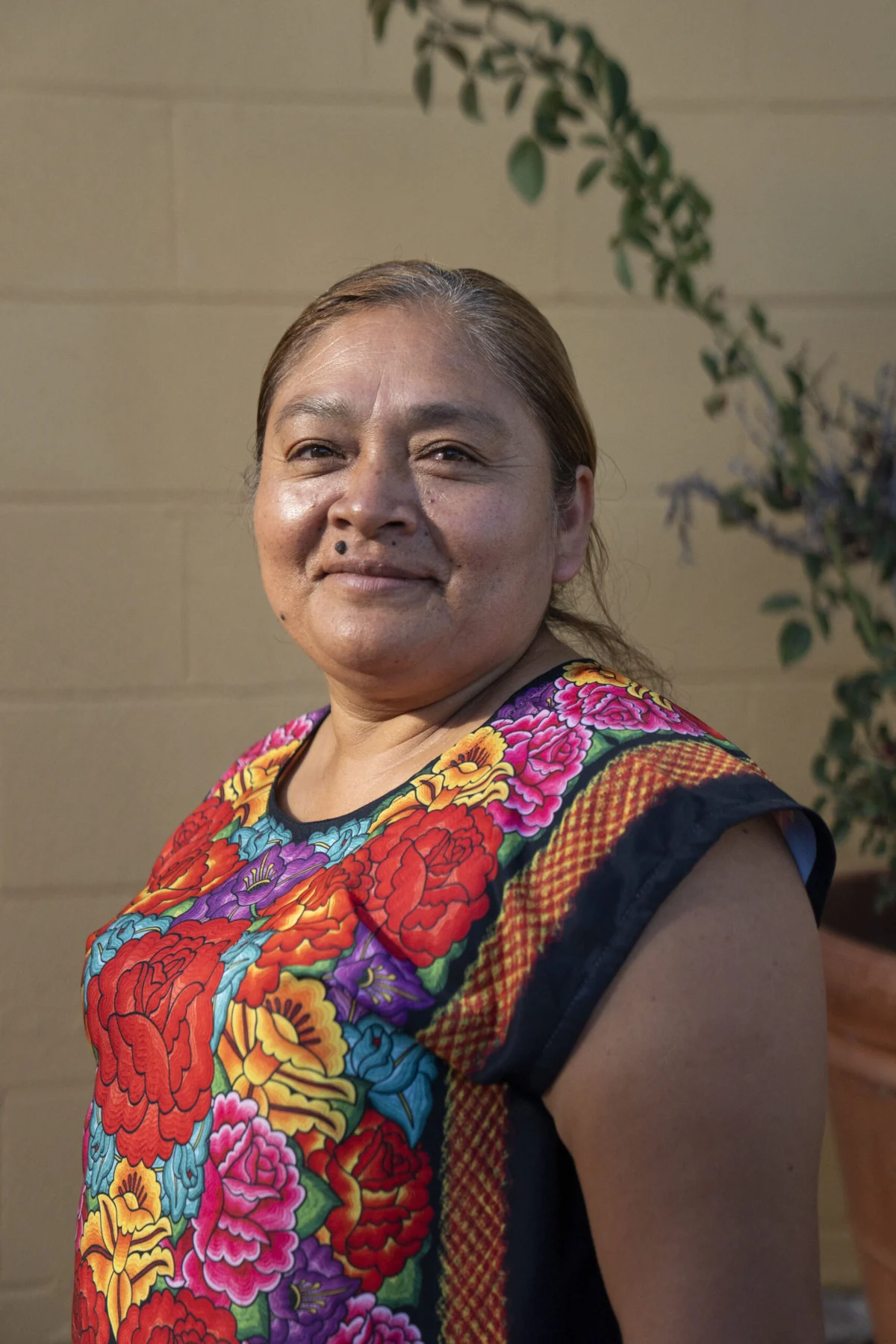
"The stress can have long-term developmental harm and can really inhibit their ability to do well in school, to have good health outcomes, and to grow into thriving, stable adults." – Wendy Cervantes, Center for Law and Social Policy
The profound and lasting consequences of stringent immigration policies on children are becoming increasingly apparent. Beyond the immediate trauma of parental separation, these policies inflict deep emotional distress, disrupt educational trajectories, and compromise physical and mental well-being, impacting not only immigrant children but also U.S. citizen children with immigrant parents. The ripple effects extend to families’ access to essential resources like healthcare and nutrition, creating a cycle of vulnerability that can span generations.
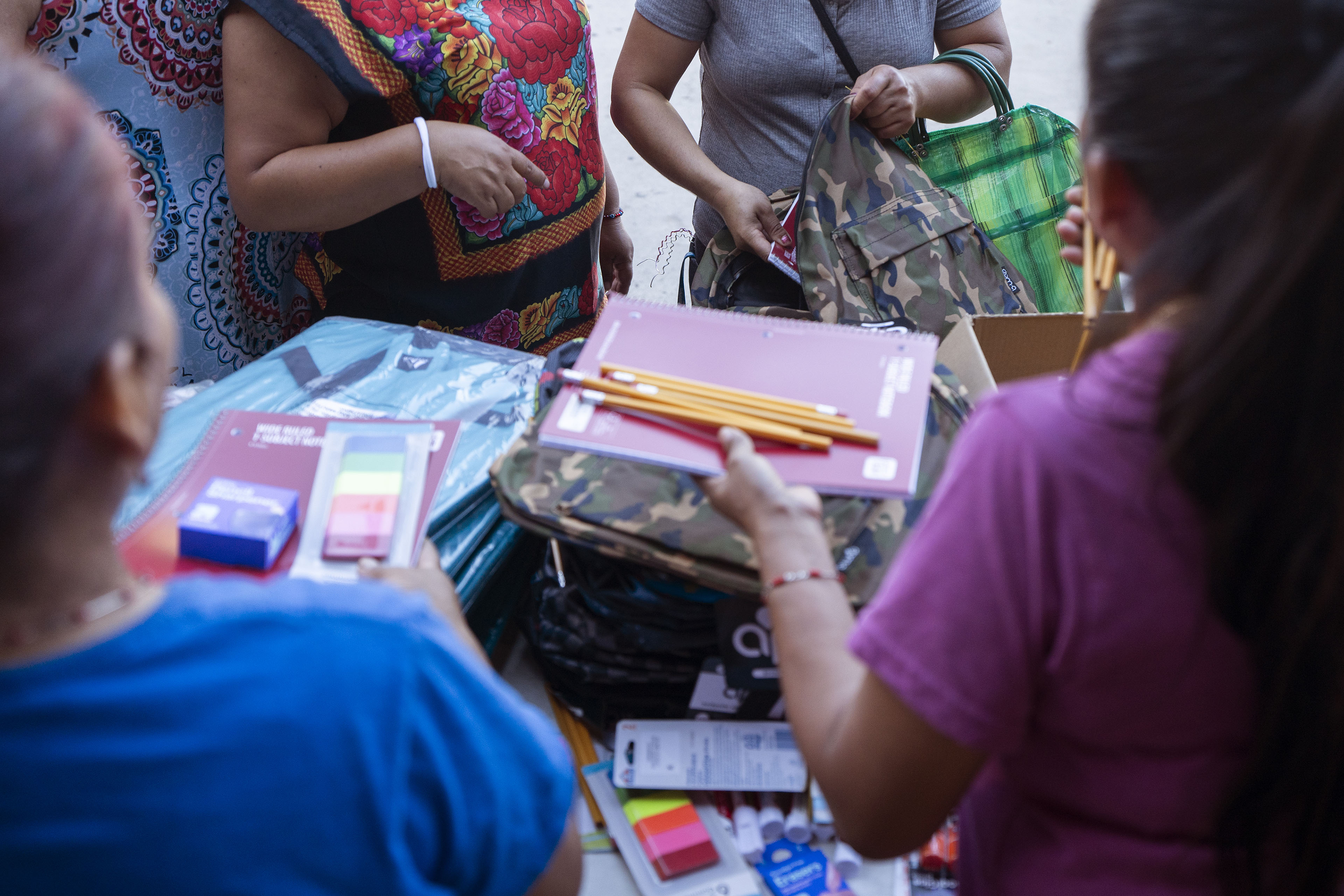
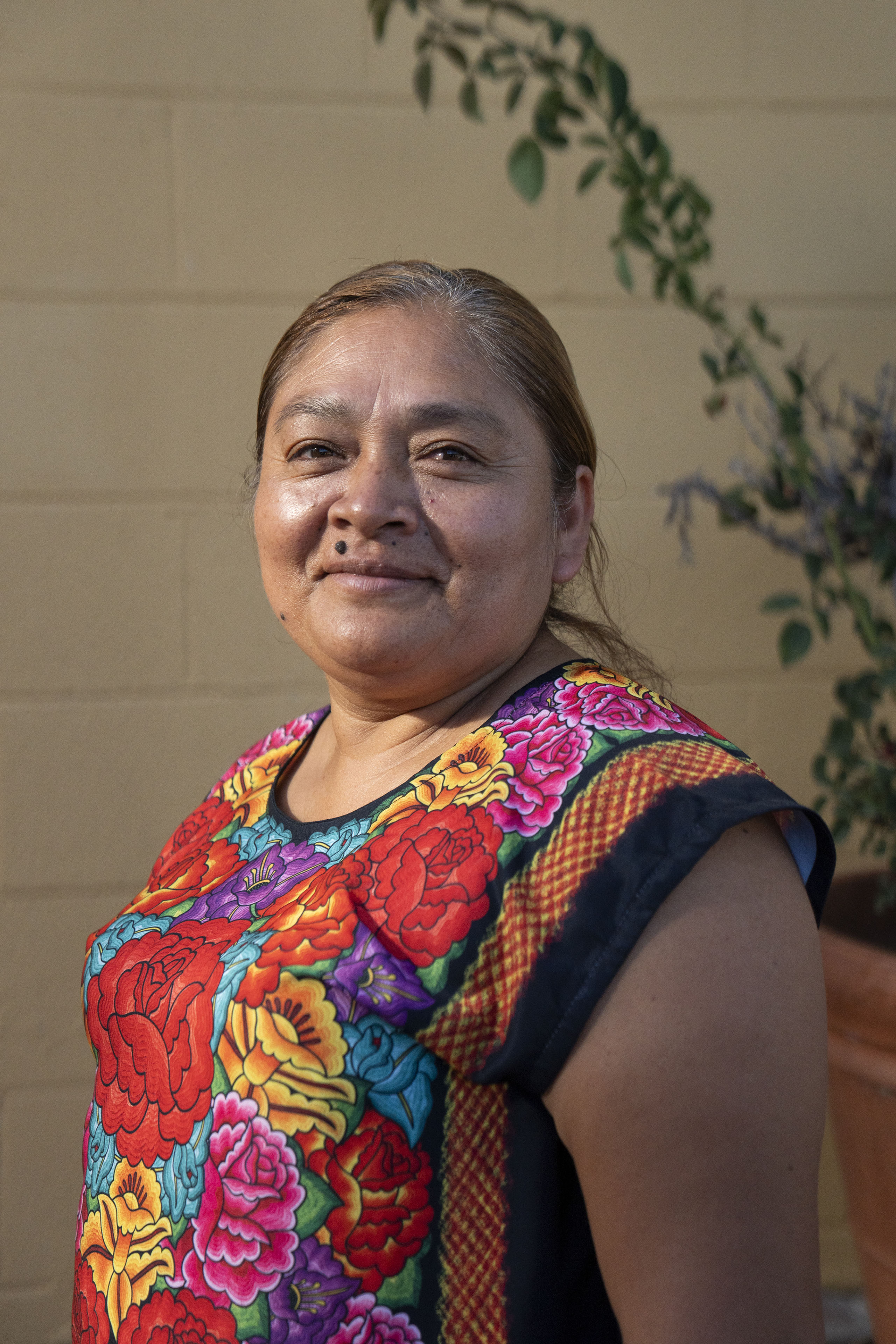
The stark reality of immigration enforcement’s impact on children is vividly illustrated by the experience of Norma Gómez, a project manager for a nonprofit that provides food assistance to immigrant families affected by Immigration and Customs Enforcement (ICE) raids. On a cold December morning in Oxnard, California, a predominantly Latino agricultural community, Gómez encountered a six-year-old girl whose parents had just been arrested by federal immigration agents. The child, her infant brother, and a neighbor stepping in to care for them were left in a state of profound uncertainty. The girl’s desperate question, "Are you the person who’s going to bring my mom back?" underscored the devastating hope and helplessness that accompany such events. Gómez, armed with essential supplies but powerless to reunite the family, struggled to offer a truthful yet comforting response, highlighting the limitations of humanitarian aid in the face of systemic enforcement actions.
This scene is not an isolated incident. Since President Donald Trump’s return to office, millions of immigrant families have experienced similar turmoil, with dire consequences for children’s health. Through April, an estimated 205,000 children had at least one parent detained by immigration authorities, a number that has likely continued to rise. The psychological harm of parental separation is well-documented, leading to destabilization that forces remaining parents or caregivers into a frantic struggle to maintain housing, secure food, and meet their children’s medical needs. In some tragic instances, children are left entirely alone to fend for themselves.
The ramifications extend beyond direct family separation. Children in immigrant households, even those not directly impacted by detentions, are facing unprecedented threats to their well-being. The emotional toll can be immense, manifesting as increased bullying in schools, heightened anxiety about racial profiling by ICE, and a pervasive sense of fear, even for children who are citizens or legal residents. This climate of apprehension can lead parents to avoid crucial activities such as taking children to school, seeking medical care, or participating in social activities. Disenrollment from or avoidance of vital health and nutrition programs, such as Medicaid and SNAP, further exacerbates vulnerabilities, particularly as federal and state governments roll back eligibility for immigrants, regardless of legal status.
The statistics paint a sobering picture: approximately one in four U.S.-born children have an immigrant parent, with around 4.6 million having at least one parent without legal status. These children, inherently tied to the nation’s fabric, are bearing the brunt of policies designed to curtail immigration. Wendy Cervantes, director of immigration and immigrant families at the Center for Law and Social Policy, expresses grave concern about the long-term developmental impacts on this generation of children. She emphasizes that the chronic stress experienced by these children can significantly hinder their academic success, compromise their health outcomes, and impede their ability to develop into resilient and stable adults.
The Trump administration has made immigration enforcement a central tenet of its agenda, implementing policies that directly affect children. An executive order on Inauguration Day, aiming to end birthright citizenship for children born to undocumented parents or those on temporary visas, was ultimately blocked by the Supreme Court. Nevertheless, billions of dollars have been allocated to immigration enforcement, leading to the detention of parents of an estimated 145,000 U.S. citizen children as of April. Furthermore, the administration has pursued the rescission of Temporary Protected Status (TPS) for over a million immigrants, many of whom have U.S. citizen children, and has stalled renewals for the Deferred Action for Childhood Arrivals (DACA) program, impacting parents of approximately 300,000 citizen children.
White House officials contend that these immigration crackdowns benefit American citizens by freeing up resources, reducing strain on public funds, and enhancing the integrity of the immigration system. They argue that birthright citizenship incentivizes unauthorized immigration and "birth tourism," and that TPS has allowed individuals from "dangerous, third-world countries" to remain in the U.S. indefinitely. However, studies indicate that mass deportations can harm U.S. workers, and research consistently shows that immigrants tend to earn more and fare better the longer they reside in the U.S., with rapid assimilation observed among both immigrants and their children. Data also suggests that immigrants, contrary to some claims, rely less on welfare programs than native-born Americans.
Stephen Miller, a key architect of the administration’s immigration policies, has voiced concerns that immigrant children drain public resources and perpetuate the problems of their parents’ home countries. He argues that "you are not just importing individuals. You are importing societies. No magic transformation occurs when failed states cross borders." This perspective, however, is challenged by extensive research demonstrating the economic contributions and rapid integration of immigrant communities.
Beyond enforcement, policy changes are actively curtailing access to essential support systems. A Republican tax-and-spending law enacted the previous summer restricted immigrant eligibility for health and food assistance programs. Additionally, new "public charge" rules grant immigration officers broad discretion to deny green cards to lawfully present immigrants based on their or their family members’ use of public benefits. This policy is projected to cause over a million U.S. citizen children to disenroll from safety net healthcare programs, further jeopardizing their health and well-being.
The trauma of parental separation is profoundly damaging for children, potentially leading to lifelong health issues including anxiety, depression, cardiovascular disease, and learning difficulties. Studies on children separated from their parents at the border during the previous Trump administration revealed lasting trauma. Similarly, deportations and detentions of immigrant parents, or even the threat thereof, have been linked to widespread emotional trauma, increased school dropout rates, housing instability, and hunger among both immigrant and U.S.-born children. The societal cost of childhood trauma is significant, with a 2024 study estimating that health conditions related to childhood trauma accounted for $292 billion in healthcare spending in 2021, including expenditures through taxpayer-funded programs like Medicaid and Medicare.
The anxieties faced by children are palpable. Emmanuel, a 13-year-old in Oxnard, experiences significant anxiety whenever his father, a farm laborer, leaves for work, constantly seeking reassurance that he will return and inquiring about the consequences of parental detention. His mother, Ana, shared that Emmanuel urges them to leave public spaces quickly, fearing the sudden appearance of ICE. Their full names are withheld due to concerns about deportation.
Healthcare professionals are observing a marked increase in mental health issues, particularly anxiety, among children from immigrant families. Pediatricians regularly refer children for mental health services due to fears of parental separation. At daycare centers, children have been observed bringing extra bags, anticipating that their parents might not be able to pick them up. In a tragic testament to the severity of this distress, a 19-year-old in Atlanta reportedly took his own life after his father was deported, highlighting the extreme measures some young people resort to under immense pressure. Many families struggle to afford therapy due to job losses resulting from worksite raids or eligibility changes, further exacerbating their challenges.
Despite the overwhelming adversities, many children demonstrate remarkable resilience. In a poignant role reversal, some children have become de facto protectors of their families, taking on responsibilities such as grocery shopping and escorting younger siblings to school to shield their parents from potential encounters with immigration authorities. Community networks, volunteer organizations, and health providers have stepped up to offer crucial support, including delivering groceries, providing free therapy, escorting children to school, and assisting parents in developing emergency childcare plans.
Ultimately, advocates and experts agree that achieving a lasting solution requires more humane immigration policies and enforcement tactics. The Family Case Management Program, piloted under President Barack Obama, is cited as a successful model for keeping families together while enforcing immigration laws. This program allowed families seeking asylum to remain in the community while awaiting case resolutions, providing case management support and preparing them for potential deportation if necessary. It proved to be cost-effective but was terminated by the subsequent administration.
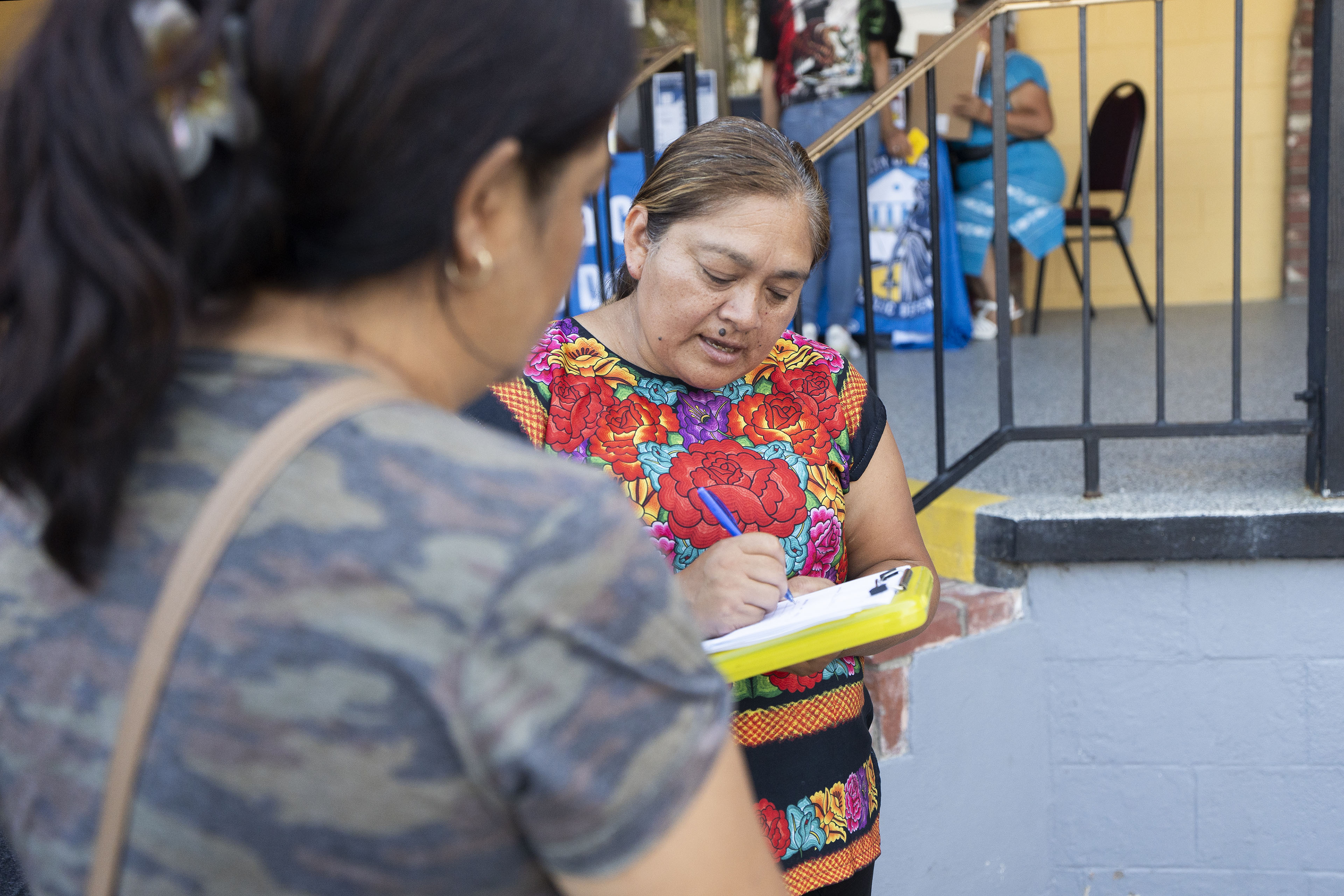
Case managers like Mabel Alavez at Venice Family Clinic witness firsthand the profound pressures on families who remain together but live in constant fear of separation. Many parents and grandparents, who have resided in the U.S. for decades, are hesitant to take their children to school, parks, or beaches, and question the safety of enrolling their U.S.-born children in Medicaid. Alavez assists families facing eviction due to fear of working and the inability to afford rent, and helps them create plans for their children’s care in the event of detention. As a first-generation American from an immigrant family, Alavez understands the complexities faced by children navigating multiple cultural identities and the added burden of current immigration policies, expressing deep concern about the long-term impact on this generation.
