
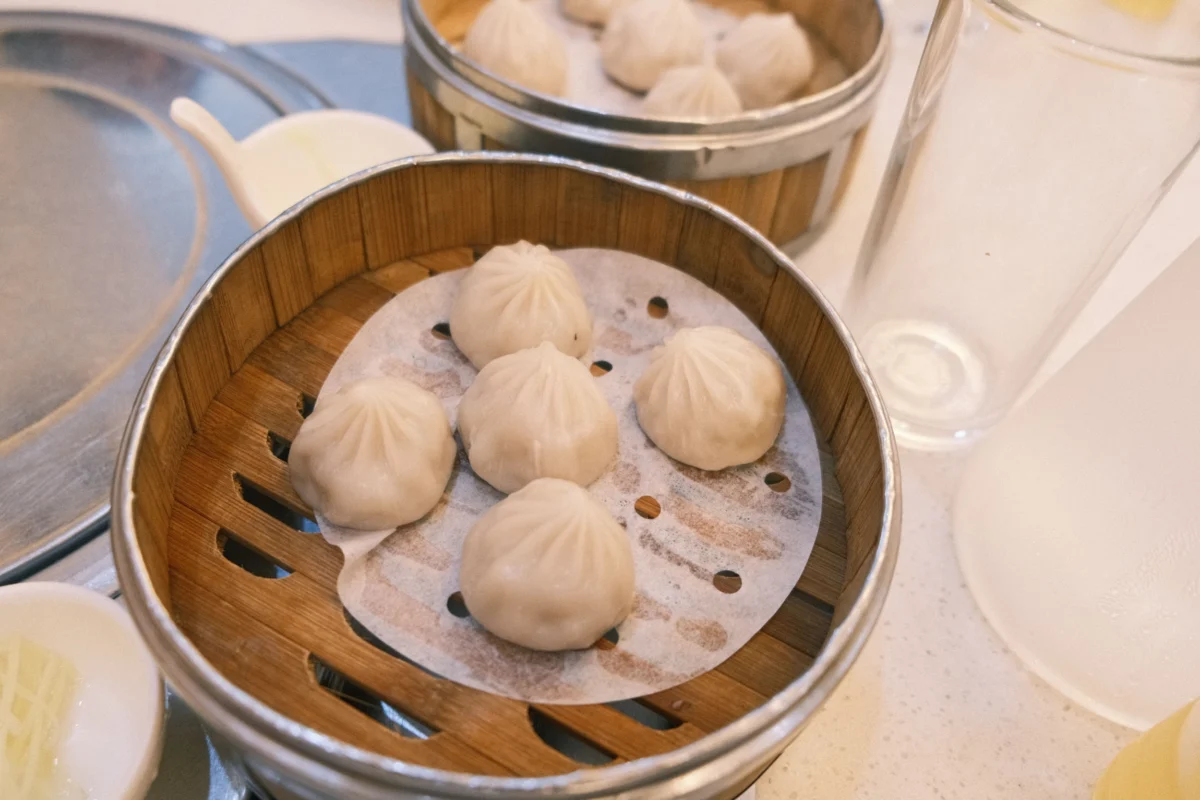
"A seemingly innocent cheeseburger bao bun could harbor a hidden allergen risk, as a recent recall highlights the critical importance of accurate food labeling, especially for vulnerable populations."
A significant recall involving approximately 1,935 pounds of frozen Wow Bao cheeseburger bao buns has been issued by Brett Anthony Foods, based in Elk Grove Village, Illinois. The concern stems from the possibility that boxes labeled as cheeseburger bao buns may, in fact, contain Chinese-style BBQ pork buns. This mislabeling poses a serious risk to individuals with allergies to sesame and soy, as these allergens are not declared on the affected product’s packaging. The U.S. Department of Agriculture’s Food Safety and Inspection Service (FSIS) announced the recall, emphasizing that while no adverse reactions have been confirmed to date, the potential for severe allergic responses necessitates immediate consumer awareness and action. The recall underscores a broader issue of food mislabeling and its profound implications for consumer safety, particularly for those with dietary restrictions and allergies.
The recall specifically targets one lot of 10-ounce boxes, identified by lot number 26243 and a use-by date of October 1, 2027. These boxes were distributed to wholesalers across eight states: Alabama, Colorado, Connecticut, Georgia, Iowa, Maine, Massachusetts, and Michigan, with the intention of reaching retail shelves nationwide. The company became aware of the potential discrepancy through a consumer complaint, which prompted them to notify the FSIS. This situation serves as a stark reminder of the inherent vulnerabilities in the food supply chain and the critical role of consumer vigilance and regulatory oversight.
The presence of undeclared sesame and soy in food products is a matter of significant public health concern. Both sesame and soy are classified among the nine major food allergens in the United States, a list mandated by the FDA for clear labeling. For individuals with diagnosed allergies to these ingredients, accidental ingestion can lead to a spectrum of reactions, ranging from mild symptoms like hives and gastrointestinal distress to severe, life-threatening anaphylaxis. Anaphylaxis is a rapid and dangerous systemic allergic reaction that can constrict airways, cause a precipitous drop in blood pressure, and can be fatal if not treated immediately with epinephrine. The extended shelf life of frozen products, such as these bao buns, further exacerbates the risk. A box of frozen bao buns can remain in a home freezer for months, meaning that consumers might unknowingly store and consume a product that does not align with its labeled contents. This is particularly troubling for parents who meticulously review food labels to ensure the safety of their children’s meals, as this type of mislabeling can bypass even the most careful scrutiny.
The affected product is easily identifiable by its packaging: 10-ounce cardboard boxes containing four buns, explicitly labeled as "WOW BAO CHEESEBURGER BAO BUNS PACKED WITH ALL-NATURAL BEEF." Crucially, the side panel of these boxes displays the use-by date of "10.01.27," lot number "26243," and establishment number "40001." The buns in question were produced on September 10th. While the initial distribution was concentrated in eight states, the possibility exists that retailers in these areas may have sold the product to customers residing in other regions. Therefore, consumers nationwide are urged to check their freezers for any Wow Bao cheeseburger bao buns matching this description. The FSIS’s concern is amplified by the product’s long shelf life, as a significant quantity of these potentially mislabeled items could still be present in home freezers across the country. The FSIS has been actively updating its recall information, correcting initial descriptions that may have caused confusion regarding the precise nature of the recalled product.
The inclusion of sesame as a major allergen requiring mandatory labeling in the U.S. came into effect on January 1, 2023, underscoring the evolving understanding of food allergy risks and regulatory responses. For individuals with sesame or soy allergies, the consequences of exposure can be severe. Reactions can manifest as urticaria (hives), pruritus (itching), angioedema (swelling of the lips or tongue), nausea, vomiting, or abdominal pain. In the most extreme cases, anaphylaxis can occur, characterized by difficulty breathing, wheezing, a feeling of throat tightness, dizziness, fainting, and a weak or rapid pulse. The potential for such severe reactions necessitates a robust system of accurate food labeling and prompt recall procedures.
Beyond the immediate allergen risk, this mislabeling incident introduces another significant concern: the potential for dietary or religious violations. Consumers who adhere to specific dietary restrictions, such as vegetarianism, or have religious or cultural prohibitions against consuming pork, could inadvertently ingest pork products. Since the packaging misleadingly advertises a beef product, individuals who would otherwise avoid pork due to these reasons may consume it unknowingly. This adds another layer of complexity and risk to the situation, highlighting that accurate labeling serves multiple protective functions.
This is not an isolated incident for the Wow Bao brand. In a concerning pattern, this recall follows a similar event in June 2024, when the FSIS issued a public health alert for Wow Bao Thai-style curry chicken bao. In that instance, consumer complaints revealed that the boxes of curry chicken bao actually contained teriyaki chicken bao, which had undeclared soy and sesame. The fact that two such mislabeling incidents have occurred within a relatively short timeframe raises serious questions about the company’s quality control and packaging processes. To date, neither FSIS nor Brett Anthony Foods has publicly disclosed the specific cause of the latest error or the exact number of affected boxes within the recalled lot, leaving consumers and regulators to ponder the systemic issues at play.
The primary demographic at risk from this recall includes children and adults with diagnosed sesame or soy allergies, particularly those who have experienced severe allergic reactions in the past or who also suffer from asthma. Asthma, in conjunction with food allergies, can increase the severity and risk of anaphylaxis. Teenagers, who may independently prepare frozen snacks and might not re-verify labels on familiar products, are also a vulnerable group. Food allergies are a growing public health concern, affecting an estimated 6% of U.S. children, according to data from the Centers for Disease Control and Prevention (CDC). A child who has safely consumed cheeseburger bao buns in the past could unknowingly react to the pork-filled variety, as the external appearance of the bao bun itself can be identical, masking the internal difference.
Recognizing the signs of an allergic reaction is crucial. Early indicators can include the development of hives, itching, swelling of the lips or tongue, vomiting, or stomach cramps. More severe signs of anaphylaxis demand immediate emergency medical attention and include difficulty breathing, wheezing, a sensation of throat tightness, dizziness, fainting, and a weak pulse. These symptoms can manifest within minutes of ingestion. Individuals who have been prescribed an epinephrine auto-injector (such as an EpiPen) are strongly advised to use it at the first sign of a severe allergic reaction and to seek immediate emergency medical care by calling 911, even if symptoms appear to subside. A delayed or biphasic reaction can occur hours after the initial exposure, making emergency evaluation essential. Any individual who suspects they or someone they know has experienced an allergic reaction to this product should consult a healthcare provider for diagnosis and guidance.
Consumers who have purchased the recalled Wow Bao cheeseburger bao buns are urged to identify them by checking the side panel for lot number 26243 and the use-by date of 10.01.27. The FSIS strongly advises that this product should not be consumed under any circumstances. Affected individuals can dispose of the product safely or return it to the place of purchase for a refund. It is also important to inform schools, daycare providers, and other caregivers who may stock freezers with these items for children with allergies. Any opened boxes should be discarded in a sealed bag to prevent cross-contamination, and thorough handwashing and counter cleaning are recommended after handling the product.
For those who may have already discarded the packaging but recall purchasing the cheeseburger bao recently, contacting the store of purchase to inquire about lot number 26243 may be helpful. If a consumer has consumed the product and experienced mild symptoms, such as hives or an itchy mouth, they should consult a clinician for medical advice. For further questions regarding meat and poultry products, the USDA Meat and Poultry Hotline is available at 888-674-6854. Consumers can stay informed about ongoing recalls and alerts by regularly visiting the FSIS recalls page on the agency’s official website. The recurring nature of such labeling errors highlights the need for enhanced vigilance and stringent quality assurance measures within the food manufacturing industry to protect public health.
