
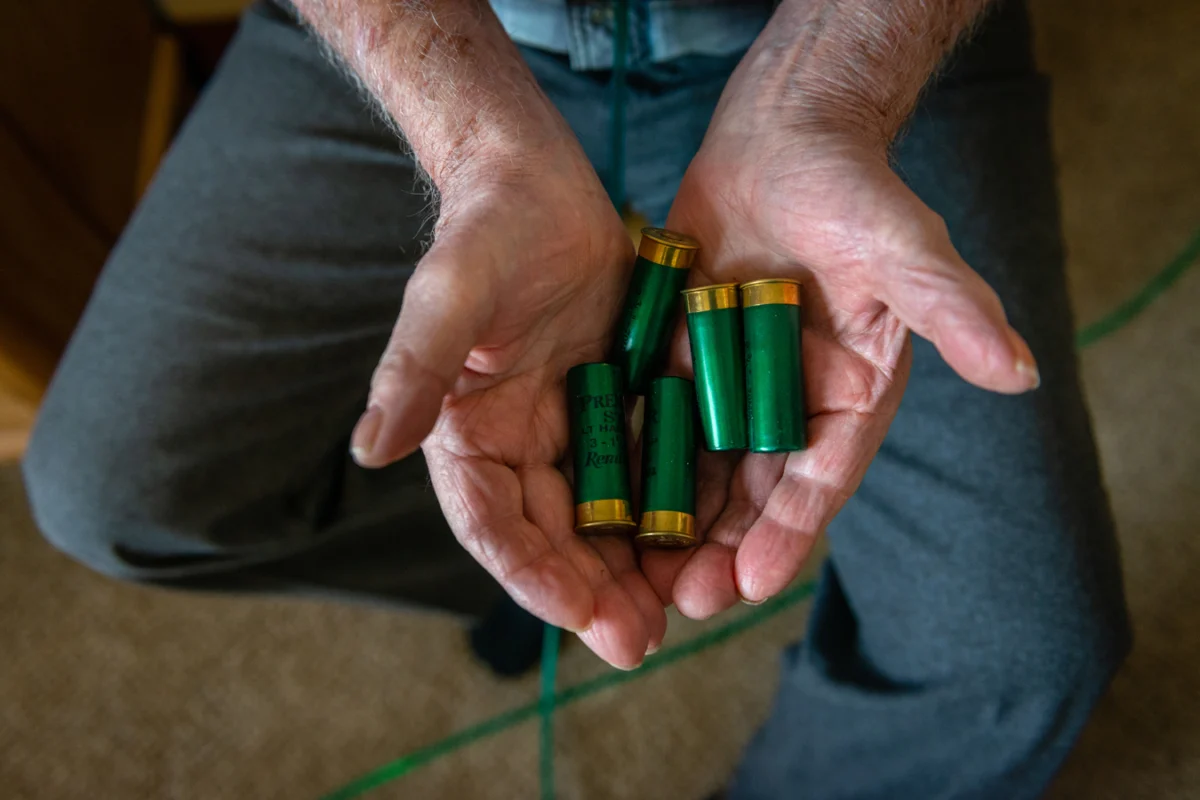
"For older adults with cognitive decline, the presence of unsecured firearms in the home creates a dangerous nexus of vulnerability and immediate risk, underscoring the urgent need for proactive safety discussions within healthcare and families."
The increasing prevalence of firearms in the homes of older adults, coupled with rising rates of cognitive impairment and mental health challenges, presents a significant and often overlooked public health crisis. As individuals age, they may experience conditions like mild cognitive impairment or depression, which can affect judgment, impulse control, and an individual’s perception of risk. When these vulnerabilities intersect with the presence of unsecured firearms, the potential for tragic outcomes – including suicide, accidental discharge, or mistaken shootings – escalates dramatically. This article explores the complex interplay of aging, cognitive health, and firearm ownership, highlighting research, expert opinions, and innovative strategies aimed at mitigating these risks and promoting safer environments for our growing senior population.
The poignant account of a 72-year-old retired health administrator living alone near Seattle serves as a stark illustration of this complex issue. During a Zoom interview conducted by Laura Prater, a firearms researcher at Ohio State University, it was revealed that the man, who had been diagnosed with mild cognitive impairment and depression, kept both a loaded .45-caliber pistol in his nightstand drawer and his unloaded hunting shotgun propped by his bed, with shells readily accessible. His stated rationale was self-protection, a common sentiment among older adults who perceive themselves as more vulnerable. However, Prater viewed the situation with alarm, recognizing that an individual at heightened risk of confusion and suicidal ideation possessed unsecured firearms within arm’s reach. Her observation, "alarming, but not uncommon," underscores the widespread nature of this challenge.
Public health experts are increasingly focused on the intersection of aging demographics and firearm ownership. Research estimates that at least a third of individuals with dementia have access to firearms, posing a significant threat to themselves and those around them. The emotional and psychological attachment many older adults have to their firearms, often viewed as extensions of their identity and a means of self-reliance, makes direct appeals for relinquishment difficult. Kelsey Conrick, a researcher at the Center for Firearm Injury Prevention at the University of Washington, notes that requesting individuals to surrender their weapons can feel like an attack on their sense of agency and protector role.
Consequently, a harm-reduction approach has emerged as the most effective strategy. This involves open communication about the risks associated with firearms, prioritizing secure storage practices such as unloading firearms and storing them separately from ammunition in locked containers, and providing free access to safety devices like trigger locks and lockboxes. This approach acknowledges the deep-seated nature of firearm ownership while aiming to minimize immediate dangers.
The statistics surrounding firearm-related deaths among older adults are sobering. According to data from the Centers for Disease Control and Prevention, in 2024, 8,226 Americans aged 65 and older died from firearms, translating to nearly 23 deaths per day. While this rate may not be significantly higher than the overall firearm death rate, the nature of these fatalities among seniors is distinct. More than 90% of gun deaths in this age group are suicides, a stark contrast to younger demographics where homicides are more prevalent.
Researchers are now extending their focus beyond those with formal dementia diagnoses to include older adults experiencing subtle yet significant cognitive changes, such as worsening confusion or memory loss. A survey conducted across seven states revealed that one-third of individuals aged 65 and older reporting "subjective cognitive decline" owned a gun, with a quarter of them admitting to not storing it securely. This proportion of insecure storage was higher than among those with normal cognition, although the statistical significance of this difference is still under investigation.
Kelsey Conrick, the lead author of a relevant study, expresses concern: "We worry about these people getting confused and having quick, unfettered access to a firearm." Similar to individuals diagnosed with dementia, those experiencing early cognitive decline are at an elevated risk for suicide, accidental firearm discharges, or mistaking family members, visitors, or even home care workers for intruders. The critical advantage in addressing this group is their current level of cognitive function, which allows healthcare professionals to initiate conversations about firearm access and storage while individuals can still actively participate in decision-making. "Allowing people to make their own choices is a win in my book," Conrick emphasizes, suggesting that such engagement is more likely to foster adherence to safer practices.
The deep-seated emotional connection many gun owners have with their firearms can be difficult for those who do not own guns to comprehend. Marian Betz, an emergency physician and director of the Firearm Injury Prevention Initiative at the University of Colorado Anschutz, explains that aging can bring about a heightened sense of vulnerability. Older gun owners may harbor a legitimate fear of becoming victims, and firearms can provide a perceived sense of security. However, research, including a meta-analysis from 2011, indicates that the presence of a firearm in the home actually increases the risk of suicide and accidents without providing credible evidence of deterring crime or reducing injuries during intrusions. "Numbers don’t always motivate people’s decisions when they’re related to fear or risk," Betz acknowledges, highlighting the emotional component of this issue.
Despite the clear risks, discussions about firearm safety rarely occur within the healthcare system. A 2020 study led by Betz found that among caregivers of individuals with dementia, only about 5% reported that a healthcare professional had ever discussed firearm safety with them. This gap is partly attributed to a misconception among patients that disclosing depression or dementia could lead to the confiscation of their firearms. In reality, these conditions alone do not mandate firearm confiscation by medical professionals. Furthermore, even in situations where a hazard is identified, only 22 states and Washington, D.C., have implemented extreme risk protection order laws, commonly known as red flag laws, which can temporarily restrict firearm access.
Families often face their own reluctance in confronting older relatives about firearms in the home. Interviews with 50 individuals caring for someone with dementia revealed that many caregivers had witnessed concerning behaviors or near-miss incidents that caused them distress. However, they also expressed fear of generating conflict, which could jeopardize their relationships with the individuals they care for, especially given the complex caregiving journey ahead. Chris Knoepke, the study’s lead author and a health services researcher at the University of Colorado Anschutz, notes, "Caregivers worry about that conflict alienating them from the person with whom they will have to navigate many changes."
In response to these challenges, firearm researchers are developing multifaceted solutions to empower both clinicians and families. Laura Prater and her team are creating educational videos to equip healthcare providers with the skills and knowledge to discuss safe storage practices effectively. The Pathways 2 Safety program, led by Kelsey Conrick, collaborates with community organizations to integrate firearm safety conversations into routine healthcare, having distributed over a thousand locking devices since March.
At the University of Colorado, Marian Betz has developed "Safety in Dementia," an online resource designed to assist caregivers in navigating the complexities of firearm safety and other potential hazards in the home. Additionally, the Firearm Life Plan tool, utilized by nearly 16,000 individuals since 2022, allows gun owners to document their wishes for firearm disposition when they are no longer able to use them responsibly.
Lena Makaroun, a geriatrician and researcher at the University of Pittsburgh School of Medicine, along with her co-authors, proposed in a recent New England Journal of Medicine editorial that firearm safety discussions should become a standard component of annual Medicare wellness visits. These visits reach a substantial portion of Medicare beneficiaries and are designed to focus on safety and prevention. Makaroun advocates for this integration, stating, "That’s something we can all get behind. It’s nonpolitical. Firearm owners by and large are very invested in safety."
Makaroun shared a deeply tragic personal experience that illustrates the critical need for addressing firearm safety in aging individuals with declining cognition. In 2019, an 80-year-old patient with memory loss was referred to her clinic. Cognitive testing confirmed impairment consistent with dementia. Makaroun discussed the diagnosis and potential management strategies with the patient and his son, emphasizing ongoing support. The patient showed no outward signs of distress, and testing did not reveal depression. Tragically, the following day, when Makaroun called with the blood test results, the patient’s son informed her that he had found his father deceased from a self-inflicted gunshot wound the previous evening. This devastating outcome highlights the immediate and profound risks that can arise when cognitive decline and firearm access are left unaddressed.
