
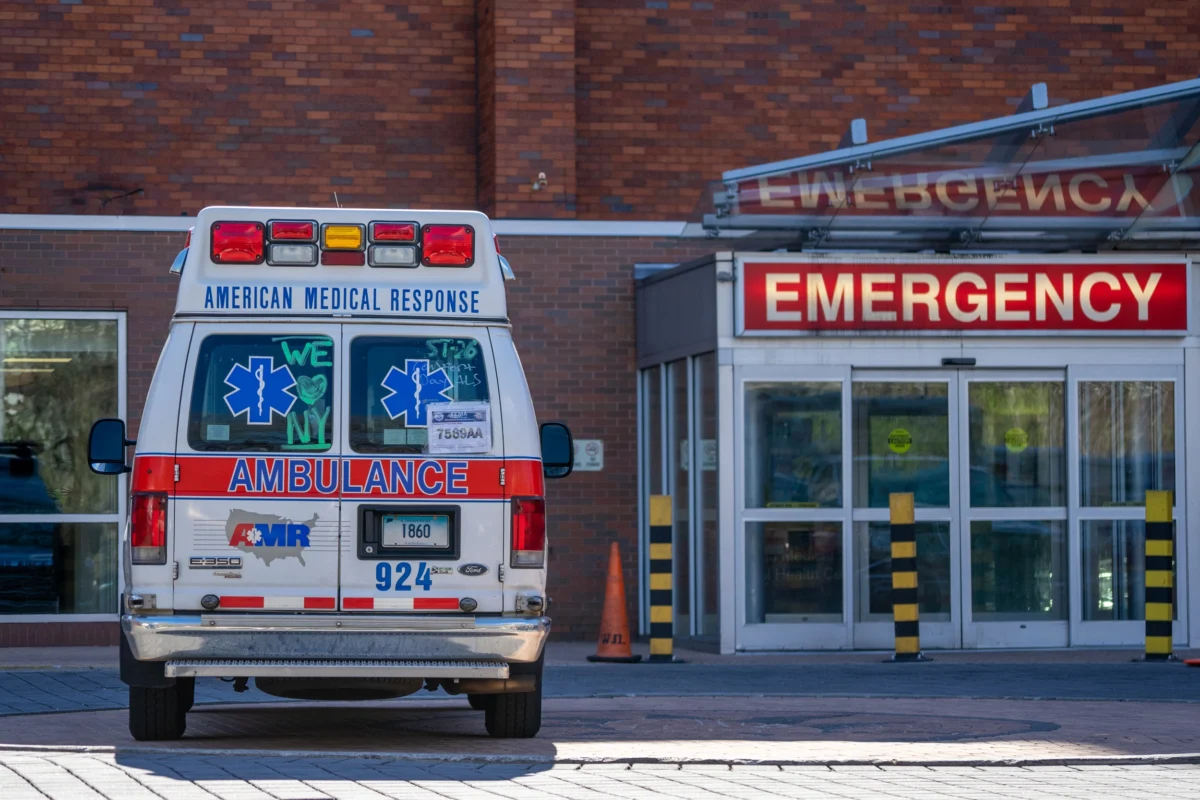
"A brief cyberattack on New Mexico’s sole Level I trauma center triggered a critical two-hour ambulance diversion, highlighting the state’s vulnerability in emergency medical access, while the specter of patient data theft looms unconfirmed."
The University of New Mexico Health Sciences Center experienced a significant disruption on Monday, October 26th, when a cyberattack forced its health system, UNM Health, to divert ambulances for a crucial two-hour window. This operational pause, coupled with the immediate halt of outpatient surgeries and appointments for the remainder of the day, underscored the profound impact such incidents can have on healthcare delivery, particularly in a state with limited critical care resources. The attack’s full ramifications, especially concerning the alleged theft of sensitive patient, student, and employee data by a ransomware group, remain under active investigation, leaving individuals concerned about the security of their personal and medical information.
The cyberattack unfolded on Monday, October 26th, initiating a cascade of critical responses within the University of New Mexico Health Sciences Center. At approximately 11 a.m., UNM’s IT security teams identified a threat, prompting the immediate activation of containment protocols. This led to a significant operational adjustment: from 12:30 p.m. to 2:30 p.m., UNM Health was compelled to divert all incoming ambulance traffic to other healthcare facilities within the Albuquerque area. During this two-hour period, the intake of new patients was also severely restricted. The impact extended beyond emergency services, as all scheduled outpatient surgeries and appointments were canceled for the remainder of the day, creating a ripple effect of rescheduled procedures and potential delays in patient care.
The university moved swiftly to address the incident, activating its Emergency Operations Center and notifying both state and federal law enforcement agencies. This proactive step signaled the severity of the situation and the potential for widespread implications. UNM Health acknowledged the critical role played by neighboring hospitals in absorbing the diverted patient load, issuing a statement expressing gratitude: "We are grateful to the health systems in Albuquerque and Santa Fe." The cooperation of these facilities was vital in mitigating the immediate consequences of the diversion, ensuring that patients received necessary care, albeit at alternative locations.
By Tuesday afternoon, UNM reported that critical systems were progressively coming back online. A formal update on Tuesday, October 27th, at 2:02 p.m., confirmed that all UNM Health hospitals had resumed full operations. The university stated that while the incident had affected some end-user devices, the core IT systems and servers remained secure and were not compromised. This distinction is crucial, as it suggests that the primary infrastructure for patient data and core hospital functions may have been protected, though the exact scope of affected devices and potential data exfiltration remains under investigation. Despite the restoration of core services, classes across the four health sciences colleges remained canceled on Tuesday, with academic and research programs expected to resume on Wednesday. Care teams are actively working to reschedule all missed appointments and procedures, a process that is likely to take considerable time.
Adding a layer of concern to the cyberattack is the claim made by a ransomware group identifying itself as "Byod." This group has asserted on its dark-web leak site that it successfully exfiltrated a substantial amount of sensitive data. According to their claims, the stolen information includes patient records, student data, employee information, research data, payroll details, and internal emails. The group further alleged that it had compromised approximately 36,000 machines. Reports from BankInfoSecurity and local news outlet KOB 4 indicated that an automated audio message played on hospital workers’ computers informed administrators to contact the attackers, who claimed to possess Social Security numbers.
However, it is imperative to note that these claims have not been independently verified by UNM or any official investigative bodies. Ransomware groups frequently exaggerate their successes to exert greater pressure on victims to pay ransoms. UNM’s preliminary assessment that core servers were not breached does not entirely preclude the possibility of data being copied from individual devices. The university’s decision to release limited details is a standard practice during ongoing criminal investigations, aimed at not compromising the integrity of the probe. This lack of confirmed data theft leaves patients in a state of uncertainty, particularly given that UNM Health handles approximately one million patient visits annually.
This incident is not the first time UNM Health has faced a cybersecurity challenge. In 2021, the health system reported a significant hacking incident to federal regulators. That breach, according to BankInfoSecurity, affected an estimated 637,300 individuals and potentially exposed sensitive information including names, addresses, birth dates, health insurance details, and Social Security numbers. The recurrence of such events raises broader questions about the resilience of healthcare IT infrastructure and the persistent threat posed by cyber adversaries.
The implications of even a brief diversion from New Mexico’s sole Level I trauma center extend far beyond the immediate impact on Albuquerque. A Level I trauma center is a critical component of a healthcare system, equipped with a full complement of surgical and specialty physicians available 24/7 to manage the most severe and life-threatening injuries. These include victims of major vehicle accidents, penetrating trauma such as gunshot wounds, and severe falls. When such a facility diverts ambulances, paramedics are forced to transport patients to other emergency departments. These alternative facilities may then need to stabilize the critically ill or injured patients before arranging for transfers to a more specialized center, a process that can introduce significant delays and complications.
For a largely rural state like New Mexico, where distances between healthcare facilities can be substantial, the availability of a Level I trauma center is paramount. UNM Health Sciences Center serves as the state’s only academic medical center, a hub for advanced medical care and specialized services. The UNM Hospital alone sees an estimated 80,000 emergency room patients annually. Smaller hospitals scattered across New Mexico rely heavily on UNM to accept and manage critically injured and ill patients who require a higher level of care than they can provide. Therefore, even a short diversion by the state’s premier trauma center can translate into increased travel times for ambulances, complex logistical challenges for first responders, and potentially compromised decision-making in the field during time-sensitive emergencies.
Fortunately, no patient harm has been reported as a direct consequence of the two-hour ambulance diversion. The rapid return to normal operations at UNM Health helped to limit the extent of the strain on the broader healthcare system. However, the episode serves as a stark reminder of the delicate balance and thin margins that exist when a single institution bears the responsibility for the state’s highest level of trauma care. The incident underscores the critical need for robust cybersecurity measures and comprehensive disaster recovery plans within healthcare organizations, particularly those serving as vital safety nets for entire regions.
In the wake of the cyberattack, UNM patients are advised to remain vigilant and take proactive steps to protect their personal and financial information. While immediate emergency action is not required as the diversion has ended and ambulances are no longer being rerouted, patients whose appointments, surgeries, or prescription refills were disrupted should proactively contact their clinics to reschedule. This is especially important for individuals undergoing time-sensitive treatments such as cancer therapy or post-operative care.
A heightened sense of caution is recommended regarding unsolicited communications. Patients should be wary of any calls, text messages, or emails claiming to be from UNM that request passwords, financial information, or Social Security numbers. Such requests often signal phishing attempts or scams that capitalize on the news of a data breach. Reviewing Explanation of Benefits (EOB) statements from insurance providers for any services not rendered is also a prudent measure. For those concerned about potential identity theft, placing a free credit freeze with the three major credit bureaus—Equifax, Experian, and TransUnion—is a recommended protective step. The Federal Trade Commission’s (FTC) website, IdentityTheft.gov, offers comprehensive guidance and resources for individuals seeking to recover from identity theft.
Under the federal Health Insurance Portability and Accountability Act (HIPAA) breach notification rule, healthcare providers are obligated to notify affected individuals without unreasonable delay, and no later than 60 days after discovering a breach of unsecured patient health information. Furthermore, breaches affecting 500 or more individuals must be reported to the Department of Health and Human Services (HHS), which maintains a public list of such incidents. The unfolding investigation will determine whether UNM confirms or refutes the hackers’ claims and whether patient notification letters will be issued.
The ultimate resolution of this incident hinges on two key factors: the official confirmation or denial of data theft by UNM and the subsequent issuance of patient notification letters, should a confirmed breach of unsecured health information occur. MedicalDaily will continue to monitor and report on this developing story as UNM releases further findings and updates.
In summary, New Mexico’s primary trauma hospital experienced a significant operational disruption due to a cyberattack, leading to a temporary closure to ambulances and cancellation of outpatient services. While patient care has largely returned to normal, the crucial question of whether sensitive data was compromised remains unanswered. Patients are urged to prioritize rescheduling missed medical care, exercise extreme caution with unsolicited requests for personal information, and remain alert for any official notifications from UNM regarding their data security. The incident serves as a critical reminder of the ongoing cybersecurity challenges facing the healthcare sector and the vital importance of robust defenses and transparent communication in protecting patient trust and well-being.
