
"It’s not something that I’m entirely comfortable with. And it’s not fair that we have to do this work."
This poignant statement from Reneé Luckfield, a transgender woman and full-time canvasser, encapsulates the personal toll and crucial importance of the "deep canvassing" strategy being employed by LGBTQ+ advocacy groups in Missouri. As transgender issues take center stage in the state’s political landscape, with a proposed constitutional amendment threatening to ban gender-affirming care for minors, these grassroots efforts are attempting to foster understanding and influence public opinion through direct, empathetic conversations, one doorstep at a time.
The political climate in Missouri is increasingly shaped by debates surrounding transgender healthcare, particularly concerning minors. Voters are faced with a proposed constitutional amendment that seeks to prohibit gender-transition surgery, cross-sex hormone therapy, and puberty blockers for individuals under 18. This measure is intertwined with a broader push to reinstate a near-total ban on abortion within the state, highlighting a strategic linkage of reproductive rights and transgender rights in the electoral arena. The proposed amendment is a significant focal point in an election year where transgender issues have become a prominent theme nationally and in state-level contests. Beyond Missouri, voters in Colorado will decide on a ban for transgender healthcare for minors, while Arizona, Colorado, Nebraska, and Washington will consider restrictions on transgender athletes in youth sports, indicating a widespread trend of legislative and electoral battles over transgender rights.
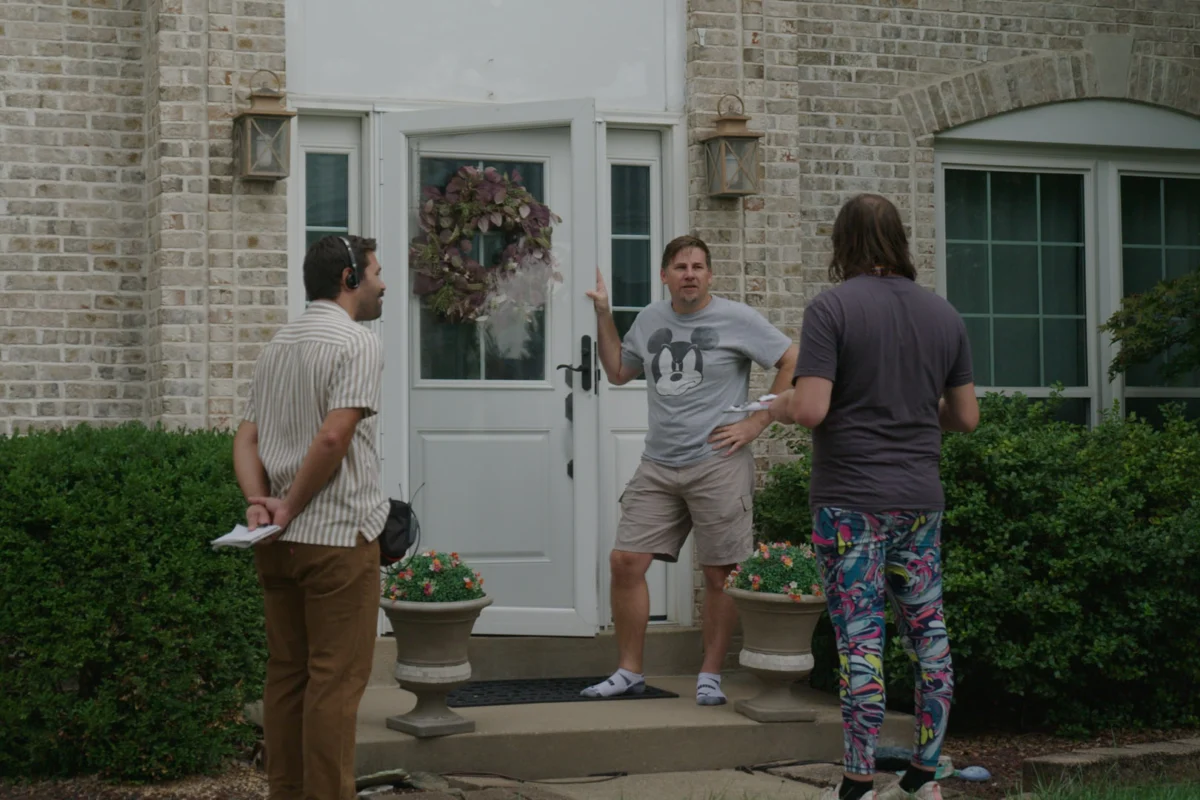
Reneé Luckfield, a 29-year-old transgender woman, embodies the frontline of this advocacy. Her daily work involves approaching strangers’ homes in affluent St. Louis suburbs, a task she approaches with deliberate gentleness. She meticulously considers her knock – a syncopated "tap… tap-tap-tap" – aiming for a friendly overture that belies her own apprehension. "Honestly, it’s not something that I’m entirely comfortable with," Luckfield admits, her voice tinged with the weariness of confronting potential prejudice. "And it’s not fair that we have to do this work." This sentiment underscores the emotional labor involved in advocating for fundamental rights in the face of opposition.
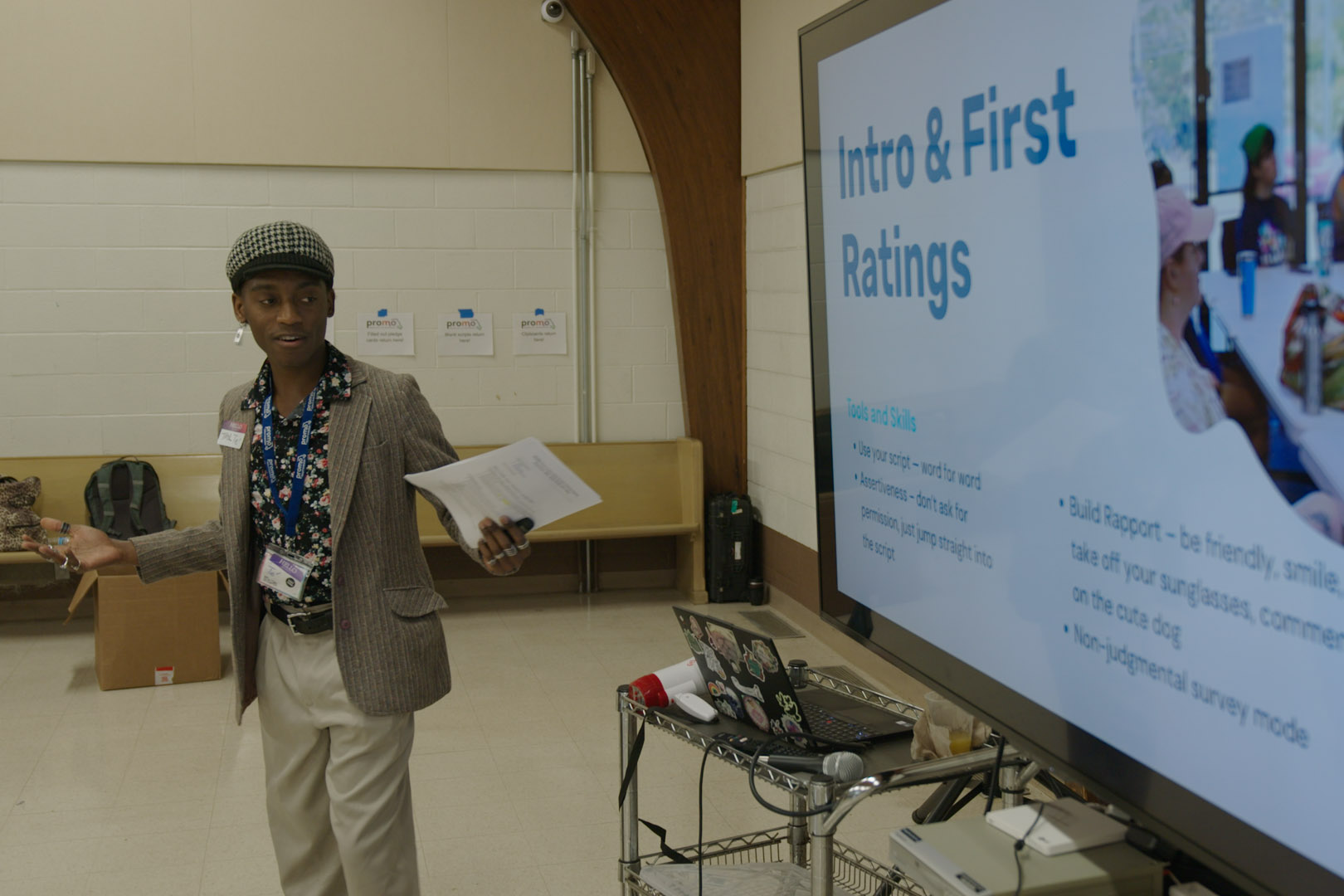
Luckfield is a key part of an ambitious undertaking by PROMO Missouri, an LGBTQ+ advocacy organization. Their goal is to engage with 100,000 households across five of Missouri’s largest metropolitan areas before the election. This massive outreach effort relies on a combination of full-time canvassers like Luckfield, who leads the St. Louis operation, and a dedicated corps of weekend volunteers. The strategy prioritizes quality over quantity, with the aim of having 10,000 meaningful, open-ended conversations. While the organization celebrated reaching 6,000 conversations in early October, the process is intentionally slow, designed to foster "transformative" discussions rather than quick exchanges.
The methodology employed is known as "deep canvassing," a technique with a proven track record of shifting public perspectives on complex and often contentious political issues. This approach was instrumental in a 2012 campaign that successfully overturned a ban on gay marriage in Maine. More recently, a 2021 campaign for police reform in Minnesota, though ultimately unsuccessful in its immediate legislative goal, sparked renewed public debate and highlighted the potential of deep canvassing to influence public discourse. Organizers in Missouri are now harnessing this strategy in hopes of averting the state’s proposed permanent ban on gender-affirming care for minors.
Missouri’s legislative landscape has already seen significant action regarding transgender healthcare. In 2023, the Republican-dominated legislature enacted a permanent ban on gender-affirming surgeries for minors and a four-year moratorium on new prescriptions for puberty blockers and cross-sex hormones. This places Missouri among a growing number of states – 27 in total over the past five years – that have implemented restrictions on gender-affirming care for minors, reflecting a national trend of legislative action targeting these medical interventions.
The deep canvassing initiative in Missouri commenced in 2024, coinciding with the increasing prominence of transgender healthcare as a focal point in both state and national elections. The issue gained significant traction during the 2024 presidential campaign, with former President Donald Trump and aligned groups reportedly spending millions of dollars to criticize Democratic presidential nominee Kamala Harris on transgender-related matters. Advertisements frequently employed polarizing language, such as one declaring, "Kamala is for they/them. President Trump is for you," framing the issue as a stark political divide.
This political backdrop is particularly relevant in Missouri, where a 2024 ballot measure to add abortion protections to the state constitution narrowly passed by fewer than 100,000 votes. Opponents of that measure argued it could also lead to the overturning of the state’s ban on gender-affirming care for minors, with campaign materials featuring slogans like "NO TAX PAID CHILD SEX CHANGE SURGERY." The current proposed amendment, which aims to reinstate the state’s abortion ban and codify restrictions on transgender healthcare for minors, is currently polling at a virtual tie, with 43% in favor, 44% opposed, and 13% undecided, within a margin of error of 4.09%. While recent polling does not differentiate between abortion and gender-affirming care, earlier surveys from February indicated stronger public support for abortion access. The deep canvassers are strategically targeting voters who oppose abortion bans but may hold more ambivalent views on transgender issues, aiming to engage those who are neither staunchly opposed nor fully supportive of the proposed measures.
The deep canvassing process involves a carefully structured approach to understanding voter perspectives. Canvassers are trained to ask individuals to rate their stance on banning abortion and banning "gender-transition procedures for trans minors" on a scale of 0 to 10, with 0 representing complete opposition and 10 representing full support. The phrasing "gender-transition procedures for trans minors" is deliberately used to mirror the language on the ballot, designed to elicit responses reflective of their voting intentions. Crucially, after obtaining a rating, canvassers ask the respondent to explain the reasoning behind their chosen number. This open-ended inquiry is the cornerstone of deep canvassing, encouraging introspection and allowing for a more nuanced understanding of their beliefs and values.
On a late September Saturday morning, with the oppressive Missouri summer heat finally receding, the sounds of suburban life – lawnmowers and leaf blowers – provided a backdrop as Luckfield began her rounds in a neighborhood west of St. Louis. Her initial encounter was with a resident who rated a 10/10 in favor of banning abortion, citing her Christian faith, and also expressed strong support for banning gender-transition procedures for minors. The resident articulated a belief that children are not equipped to make such decisions, nor should parents be empowered to do so. Luckfield’s response, "I hear you. That’s everything I need from you today. Thank you very much for your time," exemplifies the non-confrontational yet thorough approach of deep canvassing. The objective is not to debate or persuade in a single interaction, but to gather information and build a foundation for potential future engagement.
A more extended conversation unfolded with Carol Parsons, who identified as a 0/0, opposing both the ban on abortion and gender-transition procedures for minors. Luckfield acknowledged Parsons’ support and gently probed for any questions she might have about the care process for transgender youth. Parsons expressed reservations about surgery for minors, stating, "I do feel that they need to be old enough to realize that that is life-changing." Luckfield validated her concerns, noting, "It is tricky, and it is scary to think of that happening for young kids," and thoughtfully addressed the language used in political discourse: "The phrase ‘transgender procedures’ – that’s, I think, very deliberately chosen language to stoke that fear of surgeries in particular."
This led to a crucial clarification regarding the medical realities of gender-affirming care for minors. Luckfield explained that gender-affirming surgeries for minors are exceptionally rare. Data from a 2019 study of nearly 23 million children’s insurance claims revealed that surgeries were performed at a rate of 2.1 per 100,000 for adolescents aged 15-17, significantly lower for younger age groups, and none for those 12 and under. Similarly, prescription treatments, such as puberty blockers and hormone therapy, are uncommon, affecting fewer than 1 in 1,000 adolescents with commercial insurance, according to another study. Luckfield further elaborated that puberty blockers are reversible and can be a valuable tool when combined with counseling and social transitioning, providing young people with the time and support needed to mature and make informed decisions about their future. Parsons responded positively, "Well, I definitely agree with that. I think that would be a good solution." This interaction demonstrates the potential of providing factual information and empathetic understanding to alleviate anxieties and foster support.
Another significant conversation occurred with Louis Meyer, who had previously expressed ambivalence about transgender care for minors during an encounter with a different canvasser. In this instance, Meyer stated he was now fully against both proposed bans, rating a 0/0. When asked about the shift in his perspective, Meyer articulated a key insight: "The original question was about where my morals sit and what I would do, which is a different statement than what I want the government to dictate." This distinction highlights a common theme in deep canvassing – the difference between personal belief and the imposition of governmental mandates, a sentiment that resonates with many voters.
In her hour and a half of canvassing, Luckfield knocked on 12 doors and engaged in extended conversations with five individuals. Notably, four of these five individuals opposed both proposed bans. While Luckfield acknowledged that St. Louis County tends to be more liberal than the state as a whole, she believes these numbers reflect a broader societal trend. She referenced research from the Transgender Law Center, which suggests that while individuals may express favorable opinions when directly asked about transgender issues, their perceptions of how their neighbors feel are often less certain. "People are more accepting than they think the people around them are," Luckfield observed. This insight underscores the power of direct, personal engagement in challenging internalized assumptions and fostering a more inclusive public understanding of transgender rights and healthcare. The deep canvassing efforts in Missouri are thus not just about gathering votes, but about cultivating empathy and shifting the broader social narrative.
