
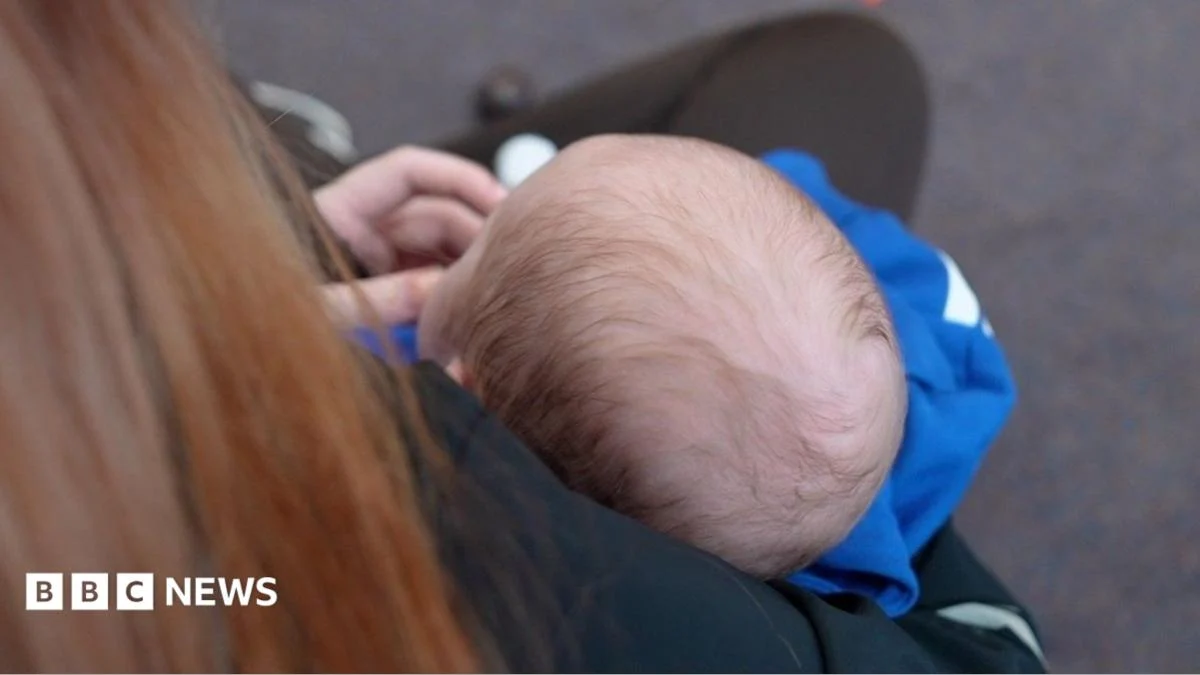
"The continuation of in-person support groups is a vital preventative measure, offering a safe harbour where mothers can openly discuss challenging thoughts, including suicidal ideation, thereby averting deeper crises and fostering long-term wellbeing."
This statement underscores the profound impact of community-led initiatives like The Happy Mums Foundation, which recently secured £70,000 in grants to maintain its critical in-person wellbeing groups. This financial boost comes as a significant relief, ensuring that vulnerable mothers experiencing postpartum mental health challenges across Cumbria retain access to crucial face-to-face peer support, a service deemed essential for their recovery and overall mental wellbeing, especially in light of previous funding uncertainties that threatened their physical spaces and forced consideration of an online-only model.
A crucial lifeline for mothers across Cumbria battling the isolating and often debilitating effects of postpartum mental health challenges has been secured, following an announcement by The Happy Mums Foundation that it has received £70,000 in new grants. This substantial funding injection, sourced from both the Postcode Lottery and the National Lottery, guarantees the continuation of the organisation’s vital in-person wellbeing groups, removing an immediate threat that had jeopardised their future.
The Happy Mums Foundation, established in 2015, has grown to become an indispensable pillar of support for over 1,000 families across Cumbria. Its core mission revolves around providing a safe, understanding, and non-judgmental environment for women navigating the complexities of postpartum mental health. These challenges, often extending beyond the commonly understood "baby blues" to more severe conditions like postnatal depression (PND), postpartum anxiety (PPA), and even postpartum psychosis, can have profound impacts on a mother’s ability to bond with her child, manage daily life, and maintain her overall wellbeing. Without adequate support, the long-term repercussions can affect not only the mother but also her child’s development and the stability of the entire family unit.
Just last month, the charity issued a stark warning that its highly valued in-person peer support groups were at significant risk due to escalating funding pressures. The prospect of shifting these essential face-to-face interactions to an online-only format loomed large, a scenario that Lucinda Bray, Director of The Happy Mums Foundation, had previously articulated to be a potentially detrimental outcome for the vulnerable women they serve. The concern was not merely about a change in delivery method, but about the fundamental loss of a "real-world safe space" – a sanctuary where mothers could genuinely connect, share their deepest fears, and find solace in shared experiences without the barriers or limitations of digital interaction.
The psychological and emotional benefits of in-person peer support, particularly for individuals experiencing mental health difficulties, are well-documented. For new mothers, the postpartum period can be incredibly isolating, marked by sleep deprivation, hormonal shifts, and immense pressure to cope with a new identity. In this context, physically attending a group provides a vital break from isolation, a reason to leave the house, and a structured opportunity to connect with others who truly understand. The presence of others, the ability to make eye contact, share a comforting glance, or even a hug, fosters a level of empathy and connection that is often difficult to replicate through a screen. Non-verbal cues, crucial for understanding and validating someone’s distress, are far more accessible in a physical setting.
Moreover, moving to an online model presents significant accessibility challenges for many. Not all mothers have reliable internet access, a private space conducive to online conversations, or the digital literacy required to fully engage. For those already struggling with depression or anxiety, the effort required to navigate technology can be an insurmountable barrier, further entrenching their isolation rather than alleviating it. The physical presence of a group acts as a tangible anchor, a fixed point in their week that offers routine, connection, and a sense of belonging that is integral to recovery.
Lucinda Bray powerfully articulated the preventative nature of these safe spaces, particularly when it comes to addressing suicidal ideation. "Being able to talk about suicidal thinking was actually quite a good preventative factor," she stated, adding, "If that doesn’t have an outlet and you don’t have a safe space to talk about those things, where might they go?" This insight highlights a critical aspect of mental health support: the importance of early intervention through open dialogue. When individuals feel safe enough to articulate thoughts of self-harm, it provides an opportunity for de-escalation, professional referral, and breaking the dangerous cycle of silence and shame. These peer support groups are not a substitute for clinical care but act as a crucial first line of defence, a bridge to professional help, and a community of understanding that can normalise incredibly distressing experiences.
The prevalence of postpartum mental health issues underscores the profound need for services like The Happy Mums Foundation. Studies indicate that approximately one in seven women experience postnatal depression, with even higher numbers for other conditions like postpartum anxiety. These conditions are not merely "baby blues"; they are serious mental illnesses that can impact a mother’s ability to care for herself and her baby, affecting attachment and long-term child development. Risk factors include a history of mental illness, lack of social support, birth trauma, and financial stress. Community-based organisations like Happy Mums play a pivotal role in filling gaps left by overstretched statutory services, providing tailored, accessible, and empathetic support that can be life-changing.
The recent funding crisis faced by The Happy Mums Foundation is unfortunately not unique within the charity sector. Many third-sector organisations, particularly those focused on mental health, operate on tight budgets and face increasing demand for their services against a backdrop of competitive and often diminishing funding streams. The aftermath of global crises, including the recent pandemic, has exacerbated mental health needs while simultaneously straining the financial resources available to charities. Securing core operational funding, which covers essential expenses like staff salaries, rent, and administrative costs, is often more challenging than obtaining project-specific grants, yet it is fundamental to an organisation’s long-term sustainability.
The £70,000 awarded to The Happy Mums Foundation – comprising £50,000 from the Postcode Lottery and £20,000 from the National Lottery – represents a significant vote of confidence in their work and a recognition of the urgent need they address. The Postcode Lottery, funded by player subscriptions, channels significant amounts to good causes across Great Britain and beyond. Similarly, the National Lottery, through ticket sales, distributes billions to arts, heritage, sport, and community projects. Their joint investment in The Happy Mums Foundation means that the charity can now continue its established network of groups, ensuring that hundreds of mothers in Cumbria will retain access to this vital support network for the foreseeable future.
Upon hearing the news, Lucinda Bray expressed immense relief and excitement: "I’m absolutely thrilled," she said. "It means that we can continue the groups we are running and we can continue working on ways to make our organisation more sustainable for the future." Her emphasis on "sustainability" highlights the ongoing challenge for charities to secure long-term funding beyond one-off grants. While the immediate crisis has been averted, the foundation will undoubtedly continue to explore diverse income streams, including fundraising initiatives and recurring donations, to build a robust financial future that ensures its crucial services remain available for generations of Cumbrian mothers to come.
This success story underscores the invaluable role played by grassroots organisations in addressing complex societal needs. By providing compassionate, community-led support, The Happy Mums Foundation not only aids individual mothers in their recovery but also strengthens families and contributes to the overall wellbeing of the Cumbrian community. The securing of these grants is not merely a financial transaction; it is a reaffirmation of the power of human connection and the collective commitment to nurturing maternal mental health.
